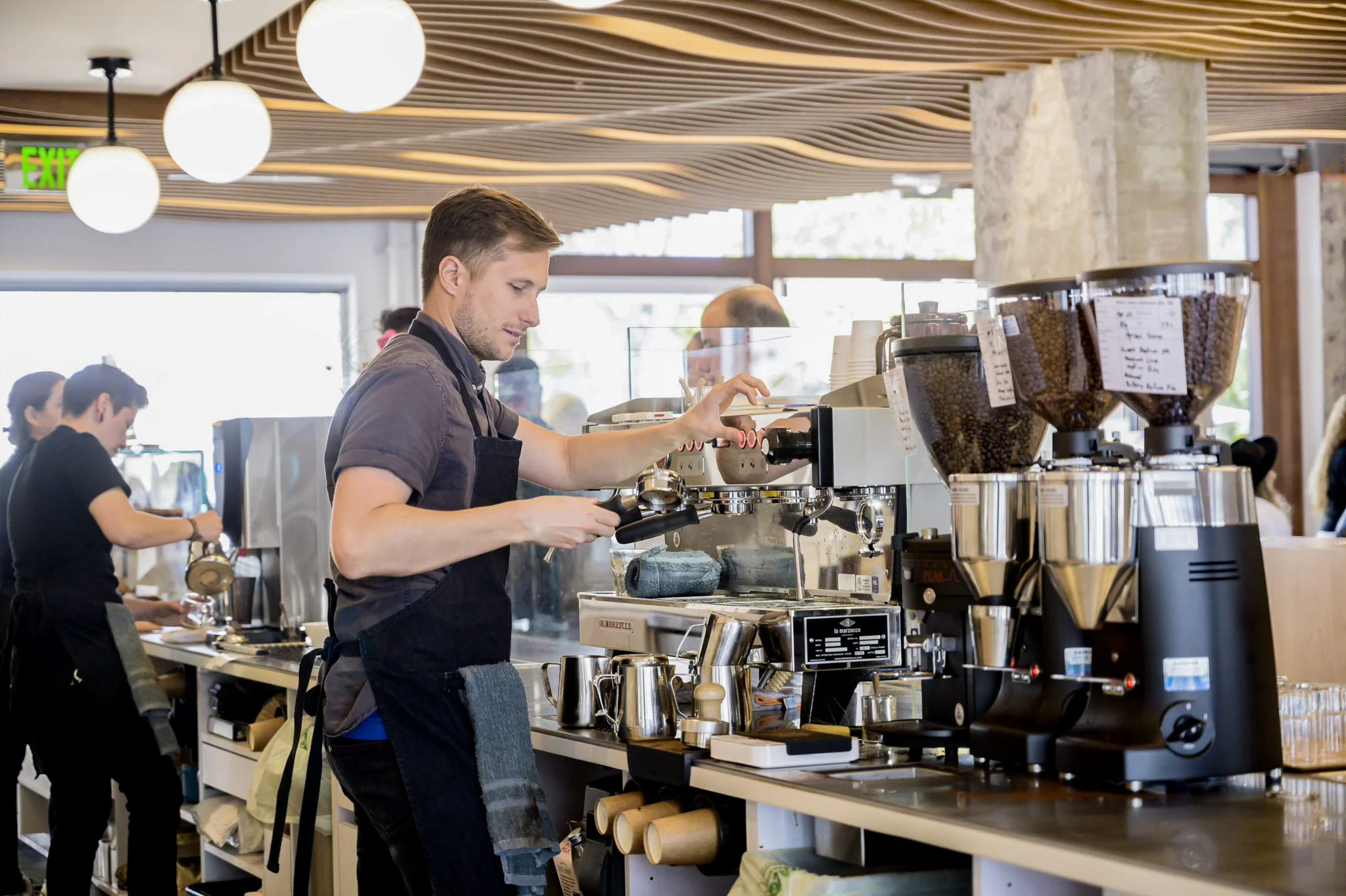
Even with the same beans and machine, coffee can taste different depending on who prepares it. This is the story of the person behind that difference: the barista.
You can buy excellent beans and still find that your coffee at home tastes different from the cup you enjoyed at a café.
Even with the same beans and machine, the person preparing the coffee can change its flavor. That person is the barista.
Is a barista simply someone who makes coffee?
We often think of a barista as someone who pulls espresso shots and froths milk. But a good barista’s work is far more precise.
They check the condition of the beans, consider the day’s temperature and humidity, and adjust the grind. They also decide how much coffee to use, how long to extract it, and what water temperature will work best.
A few seconds, or a slightly finer or coarser grind, can change the taste of a cup.
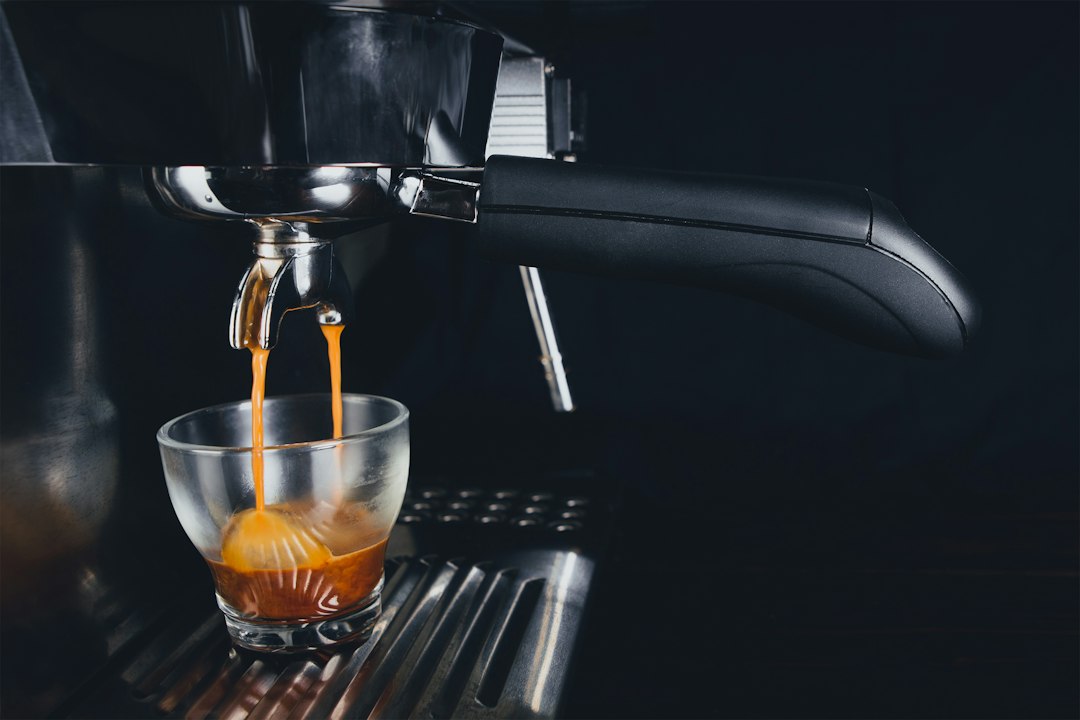
Espresso extraction: small adjustments can shift the balance of flavor. Photo: Tim St. Martin / Unsplash
Why do the same beans taste different?
Coffee holds more flavors than we might expect: rich chocolate notes, a nutty warmth, caramel-like sweetness, and sometimes aromas reminiscent of flowers or fruit.
A barista does not create flavors from nothing. Their craft is about bringing out the flavors already present in the beans.
Extraction that is too fastWithout enough extraction, coffee can taste sour, thin, or flat.
Balanced extractionSweetness, acidity, bitterness, and aroma come together without one overwhelming the others.
Extraction that goes too farOverextraction can leave coffee tasting bitter, dry, or harsh.
Perhaps a good barista does not add flavor, but brings out what the beans already hold.
Milk brings another skill into play
In a latte or cappuccino, milk matters too. Overheating it changes its natural sweetness and texture, while large, coarse bubbles take away from a smooth mouthfeel.
Well-steamed milk has fine foam integrated throughout, rather than a separate layer floating on top. The smooth, silky texture you feel with a sip of a latte is another part of the barista’s craft.
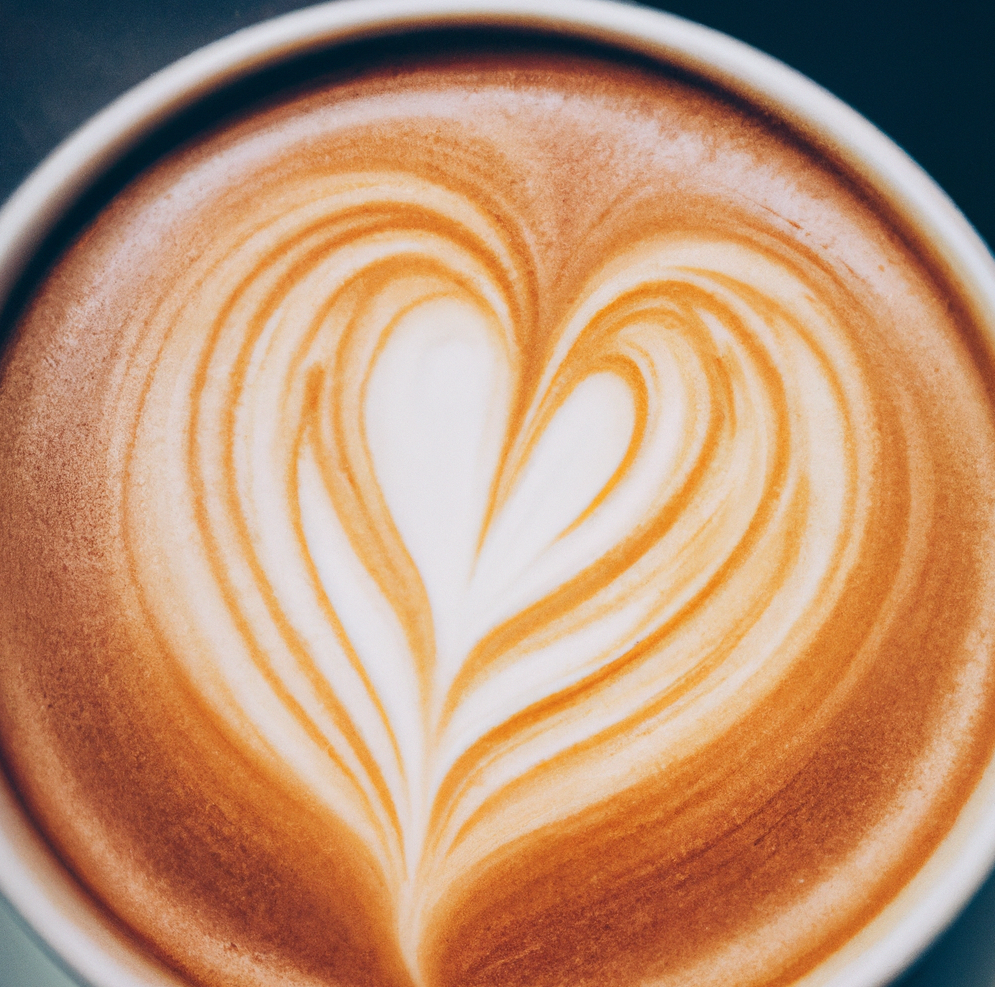
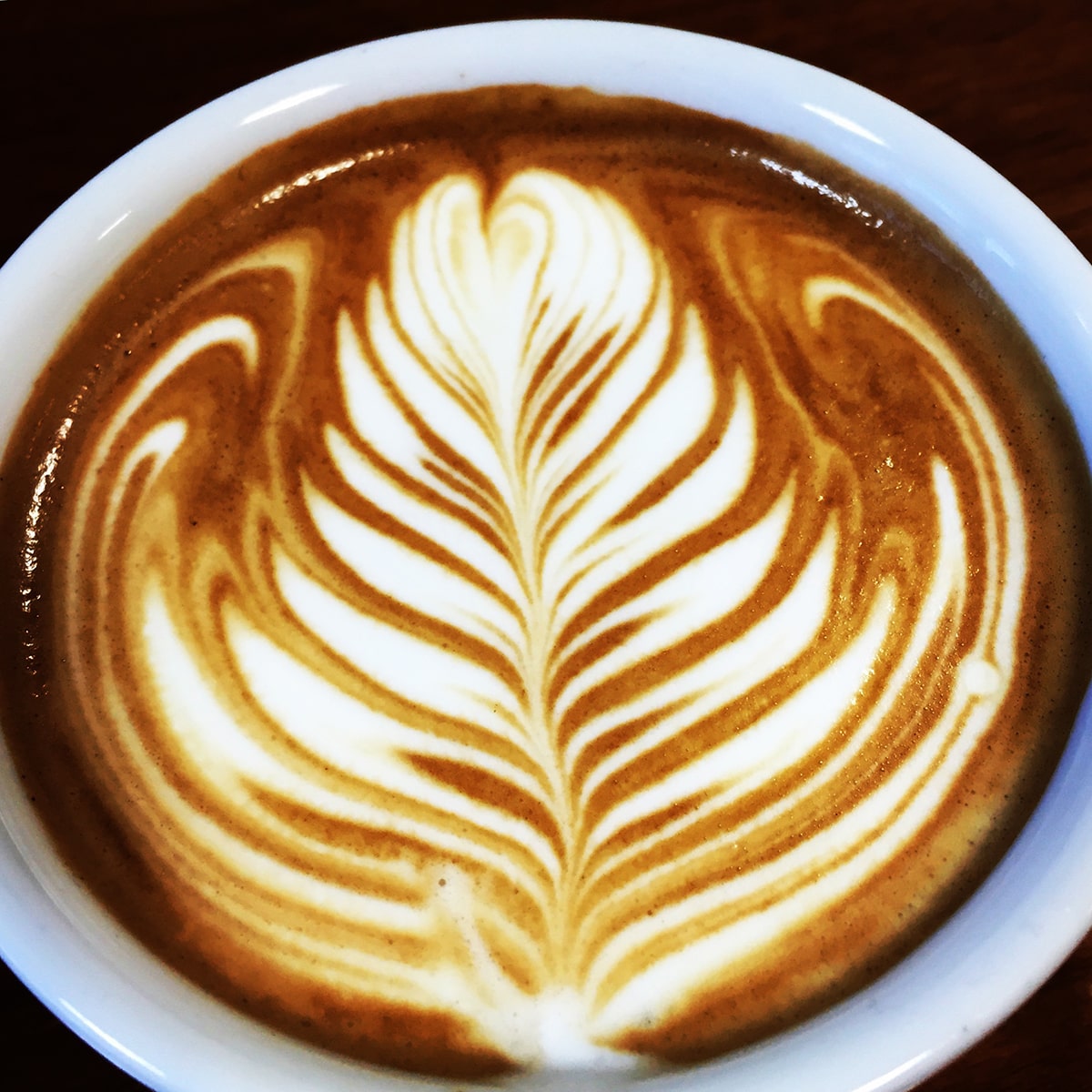
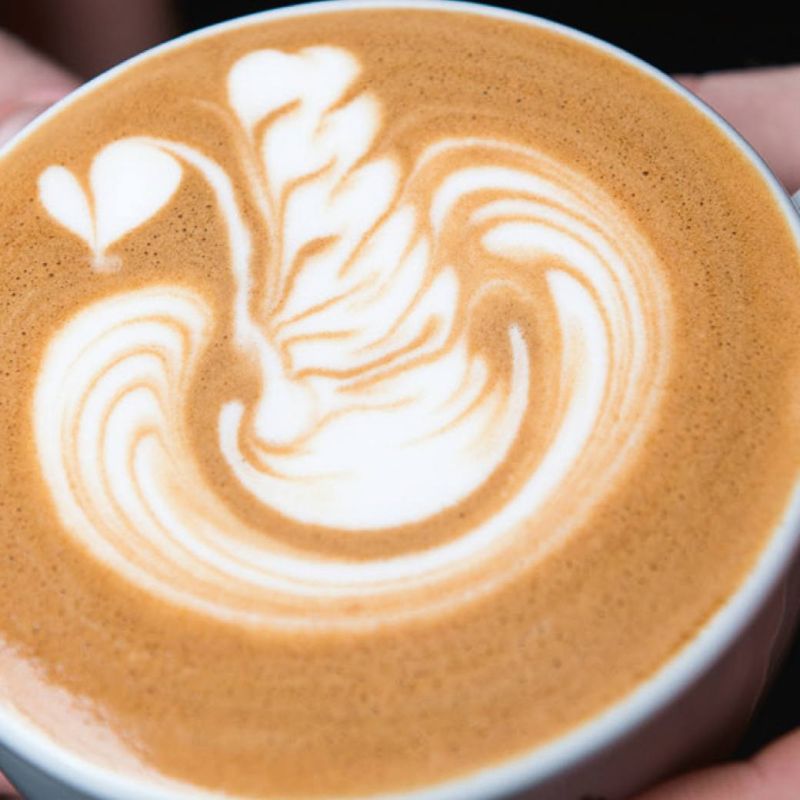
Heart · Rosetta · Swan — different latte art designs shaped by milk texture and the movement of the hand.
Brewing tools change the taste of coffee
The same beans can produce different aromas and textures depending on how they are brewed. Water flowing through the grounds, steeping them, or passing through them under pressure creates different results.
Photo: Karl Fredrickson / Unsplash
Pour-over
Place a paper filter and medium-ground coffee in a dripper. Wet the grounds with a little water first, then pour the remaining water in stages. As water passes through the coffee bed, it extracts flavor. The paper filter traps oils and fine particles, creating a relatively clean texture that highlights differences in aroma. Grind size and pouring speed also shape the taste.
Photo: René Porter / Unsplash
French press
Steep coffee grounds in hot water, then separate them with a metal mesh. More oils and fine particles remain than with a paper filter, giving the coffee a fuller texture. Once brewing is complete, pour it into another vessel to reduce further contact with the grounds.
Photo: Charles Postiaux / Unsplash
Espresso machine
Distribute finely ground coffee evenly in a portafilter and tamp it before forcing hot water through it under pressure. This produces a small, concentrated shot in a short time—the base for Americanos and many milk drinks. Grind size, coffee dose, and shot yield all affect its balance.
Photo: mostafa mahmoudi / Unsplash
Moka pot
Heating water in the lower chamber creates pressure that pushes it through the coffee into the upper chamber. Fill water below the safety valve, level the coffee in the basket without tamping, and follow the manufacturer’s instructions for gentle heating.
Remove it from the heat when brewing is complete. It makes strong coffee, but its pressure and brewing method differ from an espresso machine.
Photo: Wade Austin Ellis / Unsplash
Cold brew
Steep coarsely ground coffee in cold water for an extended period, then filter it. Timing varies with the equipment and recipe; some refrigerated methods take 8–12 hours. Dilute a concentrate with water or milk. This differs from iced coffee, which is brewed hot and then cooled.
How are different coffee drinks made?
Even with the same espresso base, the amount of water or milk, the texture of the foam, and the addition of chocolate create very different drinks. Here are eight common choices and how they are made. Shot counts and milk proportions vary by café and cup size.
Photo: Adi Goldstein / Unsplash
Espresso — the starting point
Ingredients: Finely ground coffee + water.
A machine extracts a small, concentrated shot. Without added water or milk, the beans’ aroma, acidity, bitterness, and texture are more intense. The thin golden foam is called crema, but abundant crema alone does not guarantee good flavor.
Photo: Gerson Cifuentes / Unsplash
Americano — espresso with water
Ingredients: Espresso + water.
Add hot water for a hot Americano, or cold water and ice for an iced version. Water adjusts the strength of the flavor; it does not reduce the caffeine already in the shot. Caffeine per cup depends on the number of shots, the beans, and other factors.
Photo: Pete Willis / Unsplash
Caffè latte — smooth and creamy
Ingredients: Espresso + steamed milk + a thin layer of foam.
Pour finely textured steamed milk into espresso. The larger proportion of milk softens the coffee’s intensity and creates a creamy texture. An iced latte usually uses cold milk and ice. Without syrup, a plain latte’s gentle sweetness comes from the milk.
Photo: insung yoon / Unsplash
Cappuccino — coffee and foam in balance
Ingredients: Espresso + steamed milk + a more generous layer of foam.
A cappuccino generally contains less milk than a latte, with more noticeable foam. Introduce air into the milk as it steams, then pour it over espresso. Coffee aroma meets a soft, airy texture. Balance and foam quality matter more than a rigid rule of equal thirds.
Photo: Lex Sirikiat / Unsplash
Flat white — fine foam, clear coffee flavor
Ingredients: Espresso + steamed milk with fine microfoam.
Often served in a smaller cup with less milk than a latte, a flat white lets the coffee stand out. Fine foam blends throughout the milk rather than forming a thick cap. Recipes and shot counts vary between cafés, so it is not always identical to a small latte.
Photo: Matt Hoffman / Unsplash
Espresso macchiato — a small touch of milk
Ingredients: Espresso + a little milk or milk foam.
A little foam softens the texture while preserving espresso’s intensity. It differs from a milk-heavy latte macchiato. A café’s caramel macchiato may also have a different composition from a traditional espresso macchiato.
Photo: Koushik Pal / Unsplash
Caffè mocha — coffee with chocolate
Ingredients: Espresso + chocolate + milk.
Mix chocolate sauce or cocoa with espresso, then add milk. Chocolate sweetness complements the coffee’s aroma; whipped cream is optional. A moka pot is a brewing tool, while a caffè mocha is a chocolate coffee drink.
Photo: An Nguyen / Unsplash
Cold brew — cold water and time
Ingredients: Cold-brewed coffee + water, milk, or ice as needed.
Cold brew uses its own extraction method rather than an espresso base. Drink the filtered coffee as it is, or dilute it to taste. Its aroma and texture may differ from hot-brewed coffee made with the same beans, but it is not necessarily free of acidity or lower in caffeine.
A good barista asks what you like
“What kind of coffee do you enjoy?”
Bright and fruity? Smooth and nutty? Rich and bittersweet? Everyone has a different idea of what tastes good.
A good barista may be someone who, instead of insisting on their own idea of the best coffee, helps you find a cup you will enjoy.
In the end, coffee is personal
Expensive beans will not necessarily suit your taste, and coffee from a famous café will not appeal to everyone.
Perhaps what we are looking for is not the best coffee in the world, but coffee with the flavors we love.
A good barista helps bring us a little closer to finding them.
♥ A note from editors
Finding coffee you love is not always easy. But after trying different cups, there comes a moment when you realize:
“Ah, this is the kind of flavor I like.”
From there, you begin exploring coffee’s rich variety of flavors, trying distinctive and unusual coffees along the way.