Pasta: A World of Shapes
Pasta: A World of Shapes
From pasta history to the many shapes and dishes on the table.
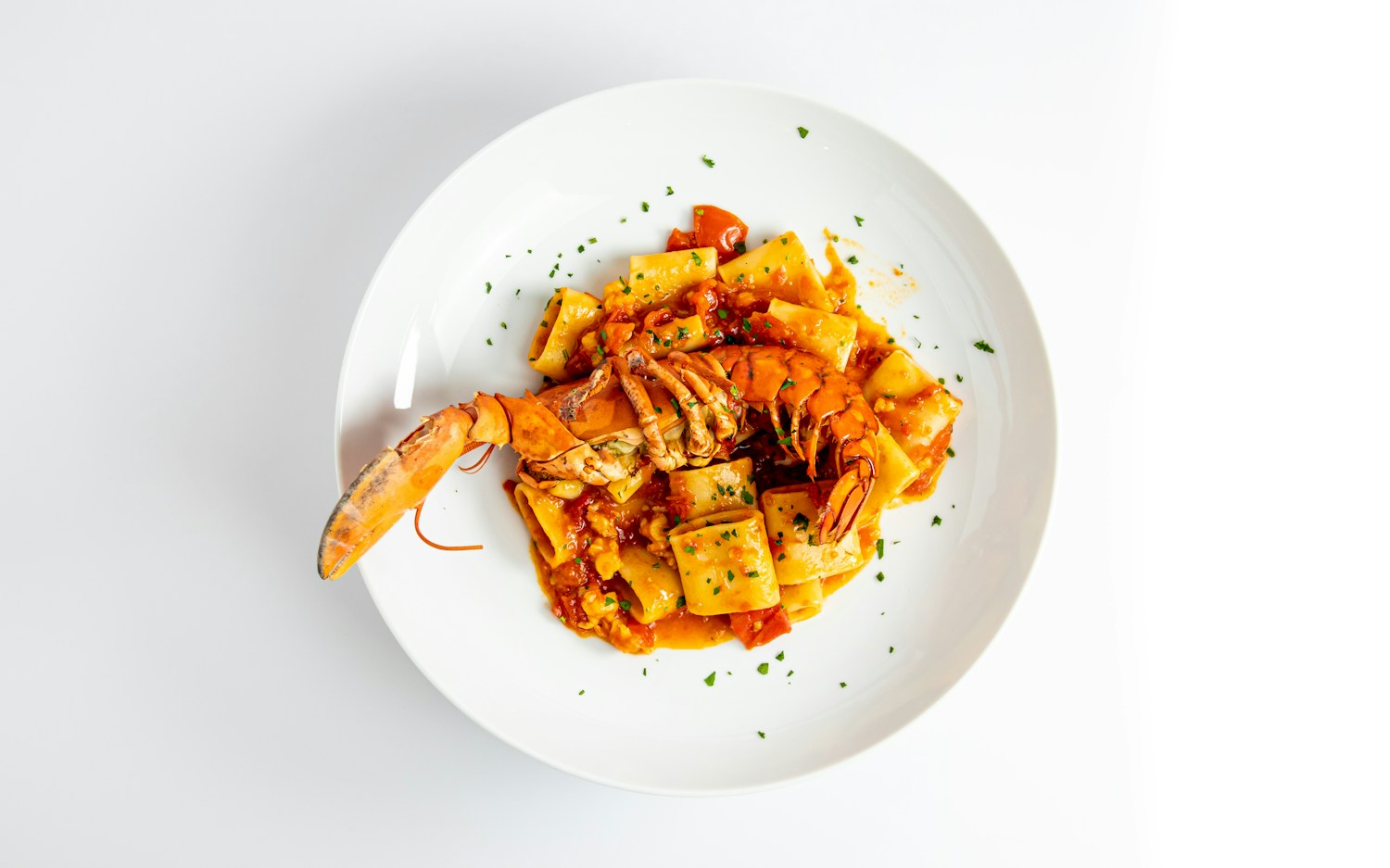
Linguine rests in a loose nest at the center of a wide plate. Lobster sits on top, and a hint of lemon lifts the glossy sauce. It looks inviting. But why linguine? What would change if the chef chose spaghetti or penne instead?
It is easy to think of pasta as noodles plus sauce. That leaves out much of the story. Long strands, broad ribbons, ridged tubes, small cups, and delicate parcels filled by hand all change the way a dish feels and tastes. Their shapes hold sauce, catch bits of vegetables or seafood, and create a different bite.
The International Pasta Organisation describes more than 500 pasta shapes, a variety shaped by local ingredients, craft, and the ways people have eaten over time.1
A history with more than one beginning
Pasta does not have a neat origin story with a single inventor. Cultures in different places made and cooked dough from grain. The story of dried durum-wheat pasta, which could be stored and transported, is more specific. The Pasta Museum near Parma traces its development to the Middle East and describes how it took root and diversified in Italy.2
From Sicily, the production of dried pasta spread through places such as Liguria and Naples. It traveled well along trade routes. As tools for shaping and drying improved, pasta gradually became more accessible as an everyday food.23 The familiar tale that Marco Polo brought pasta to Italy for the first time from China does not account for evidence of Italian pasta before his return.4
Pasta shapes: from fine strands to filled parcels
The ingredients can be simple, but thickness, width, ridges, hollows, and fillings change the bite. Dried pasta commonly uses durum-wheat semolina and water; many fresh pasta traditions use eggs. Once you look at the forms, a long list of names begins to make sense.25
| Family | Examples | What changes on the plate |
|---|---|---|
| Fine and round strands | Capellini (angel hair), spaghettini, spaghetti, spaghettoni | A progression from very delicate threads to thicker strands with more bite. |
| Long, flat pasta | Linguine, trenette, fettuccine, tagliatelle, pappardelle | From narrow, flattened strands to broad ribbons that carry substantial sauces. |
| Hollow tubes | Bucatini, ziti, penne, rigatoni, paccheri | Different openings, cuts, sizes, and ridges catch sauce inside and out. |
| Twists and folds | Fusilli, rotini, cavatappi, gemelli, farfalle, campanelle | Spirals, bends, and pinched centers give sauce places to cling. |
| Little cups | Orecchiette, conchiglie, lumache | Ear, shell, and snail shapes cradle small pieces of food. |
| Hand-shaped regional pasta | Cavatelli, trofie, strozzapreti | Rolled, dragged, and twisted surfaces retain the mark of the maker. |
| Filled pasta | Ravioli, tortellini, tortelloni, agnolotti, mezzelune, cappelletti | Squares, half-moons, rings, and little hats wrap fillings of cheese, vegetables, or meat. |
| Sheets and tiny shapes | Lasagne, orzo, ditalini, stelline | Sheets are layered and baked; rice-like grains, short tubes, and little stars often appear in soups. |
Pasta shapes in pictures
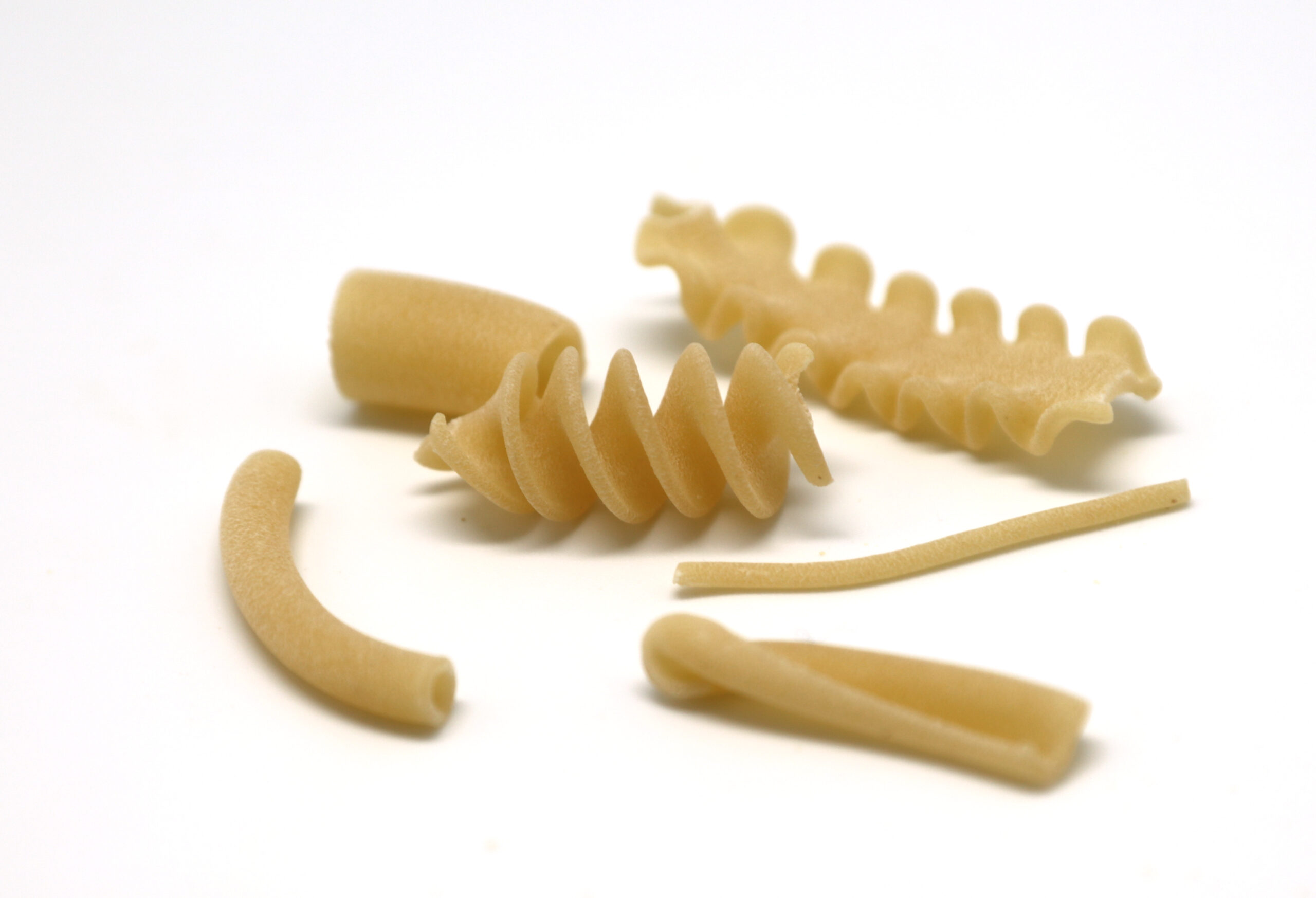

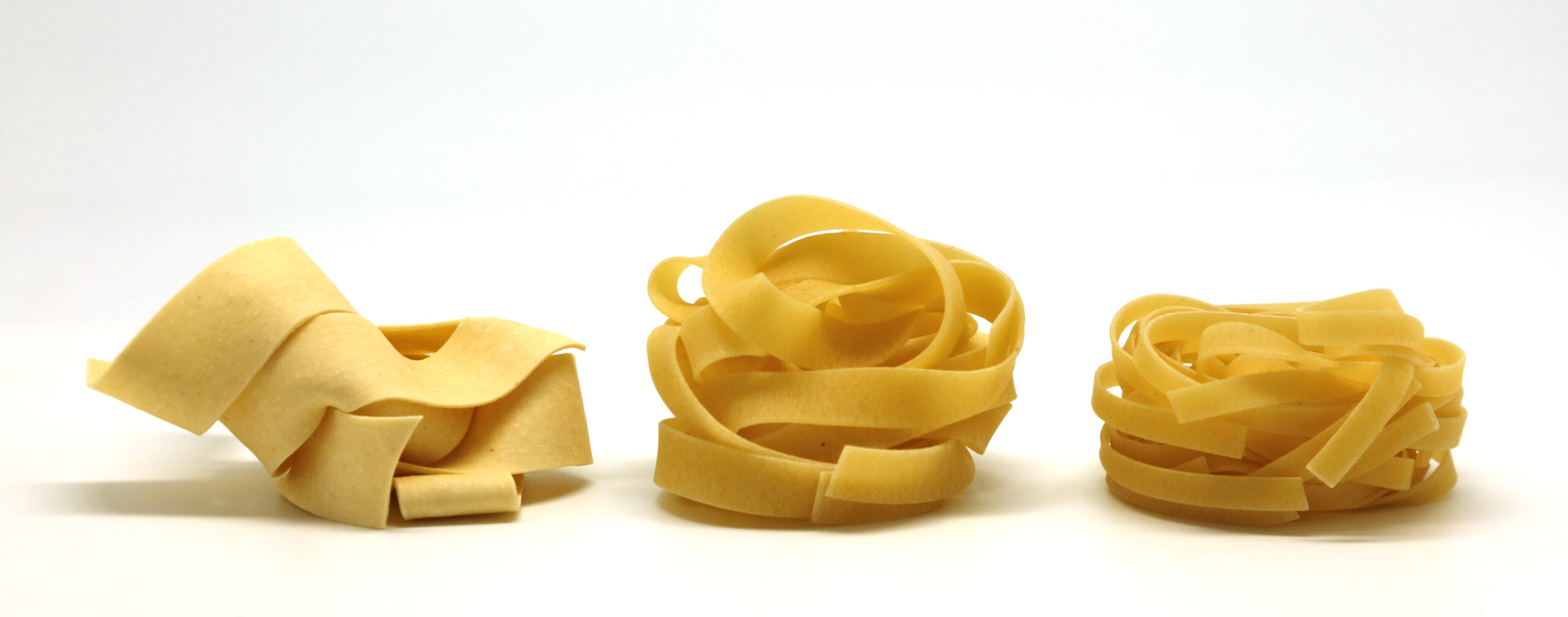

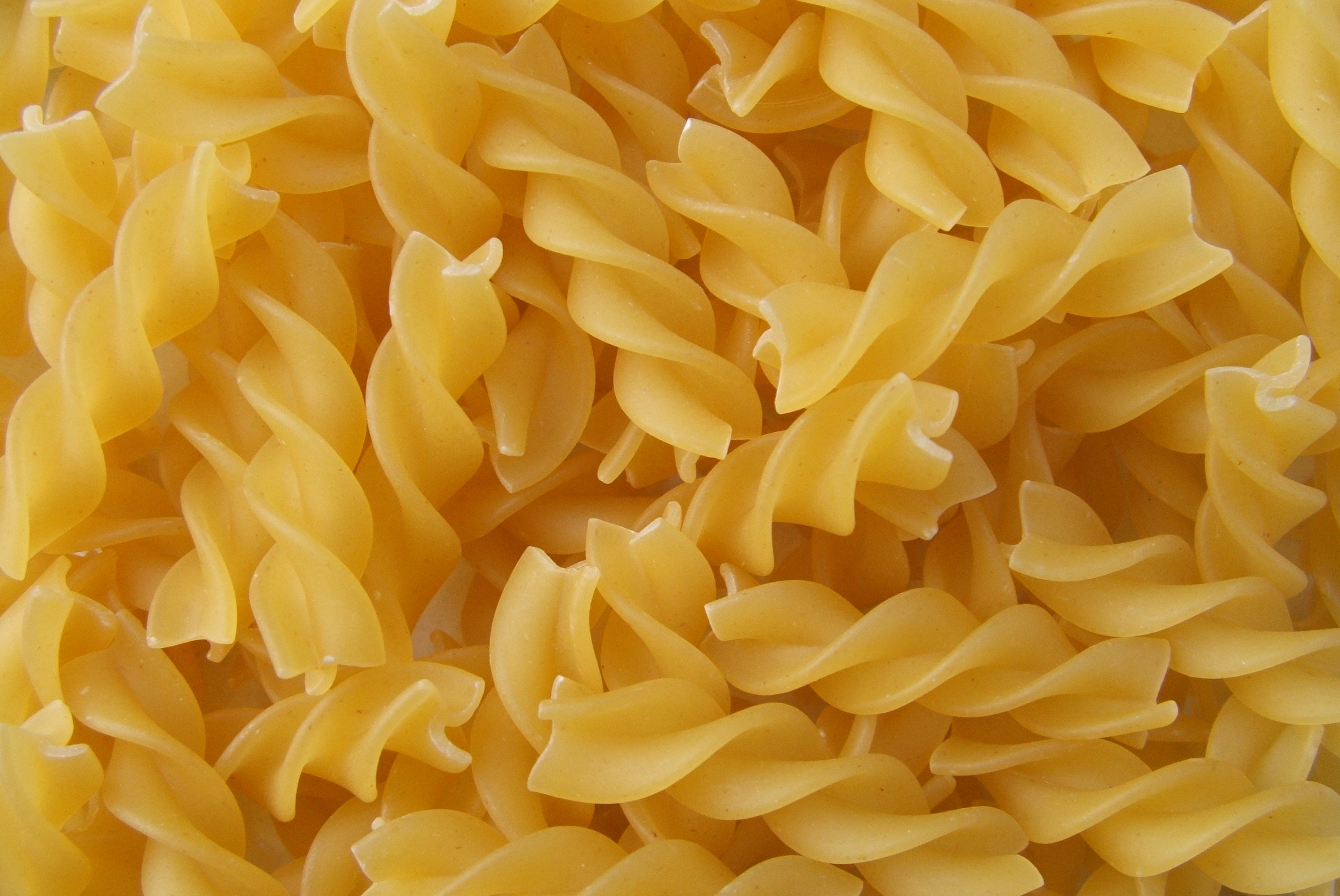

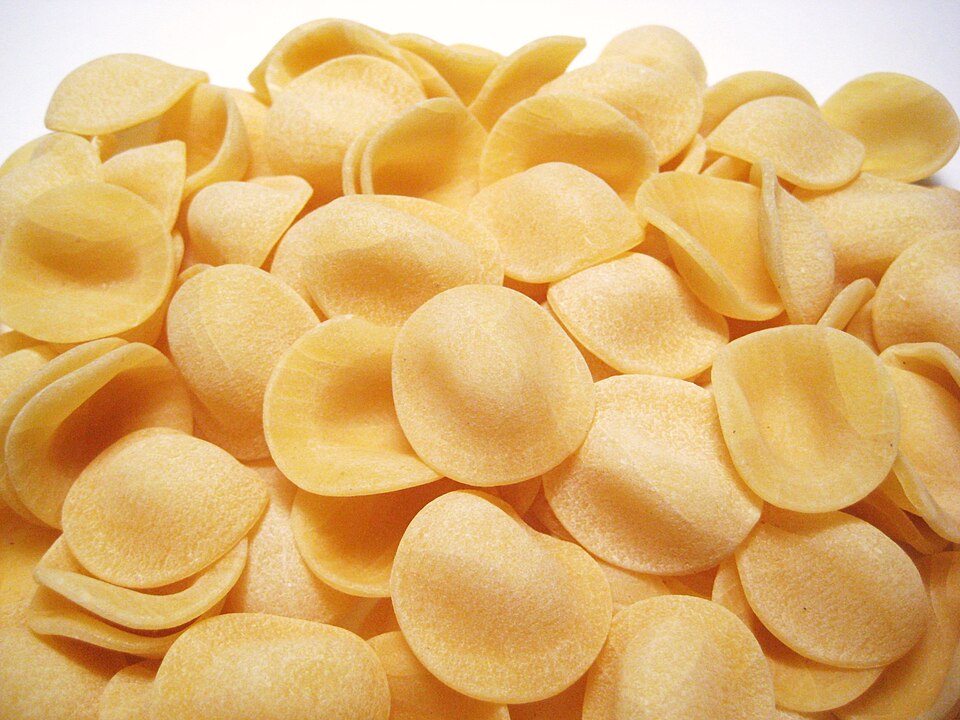

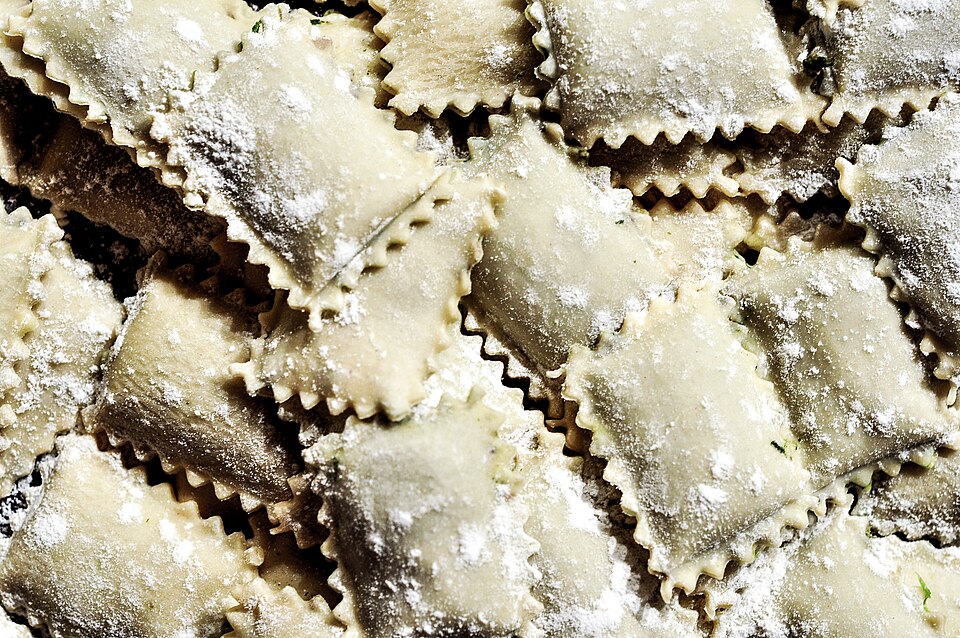

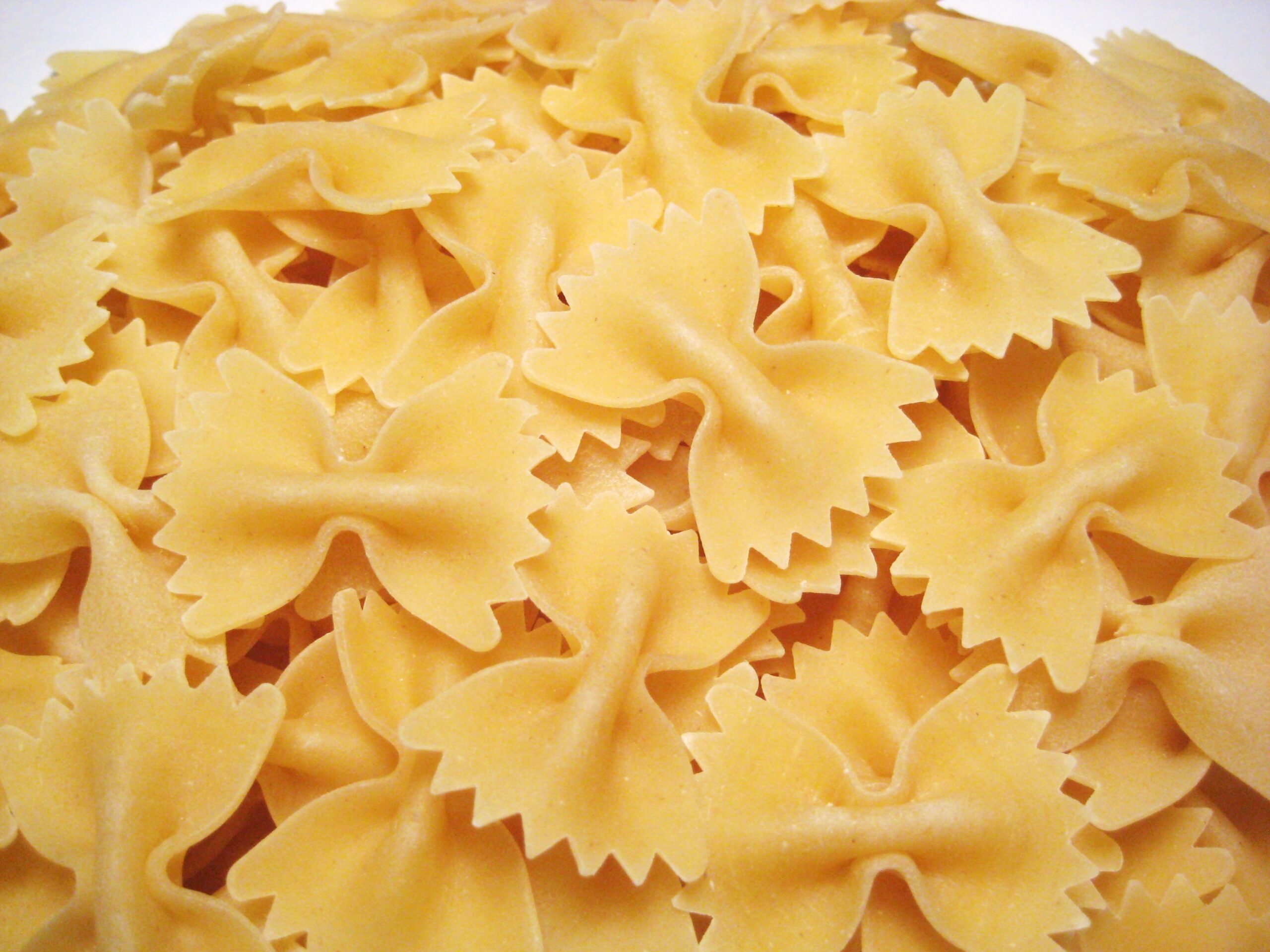

These are examples, not an exhaustive list. Even the same name may vary in size and texture from one maker or region to another. Choosing pasta means choosing how you want the sauce and texture to meet. Think of light oil on capellini or a rich ragù on pappardelle. Pairings are a starting point for taste, not a set of rules.58
Dishes: the shape is only the beginning
A pasta shape and a pasta dish are different things. Spaghetti names the pasta; carbonara and vongole name meals that can be made with it. Change the ingredients and technique, and the same strand becomes a different experience.
- Cheese and egg: Carbonara, cacio e pepe, and fettuccine Alfredo may look similarly pale, but their ingredients and textures differ.
- Many faces of tomato: Pomodoro, arrabbiata, amatriciana, puttanesca, and eggplant-rich alla Norma each bring a different balance of heat, salt, and vegetables.
- Herbs and olive oil: Pasta with basil pesto and aglio e olio can be simple in ingredients and vivid in aroma.
- From the sea: Clam-based vongole, mixed seafood pasta, and the lobster linguine in the opening photograph place seafood at the center.
- Slow sauces and the oven: Tagliatelle with ragù, layered lasagne, and baked ziti offer hearty, comforting meals.
- Fillings and broth: Ravioli with butter and sage or tortellini in broth put the filling in the spotlight.
Finished pasta dishes
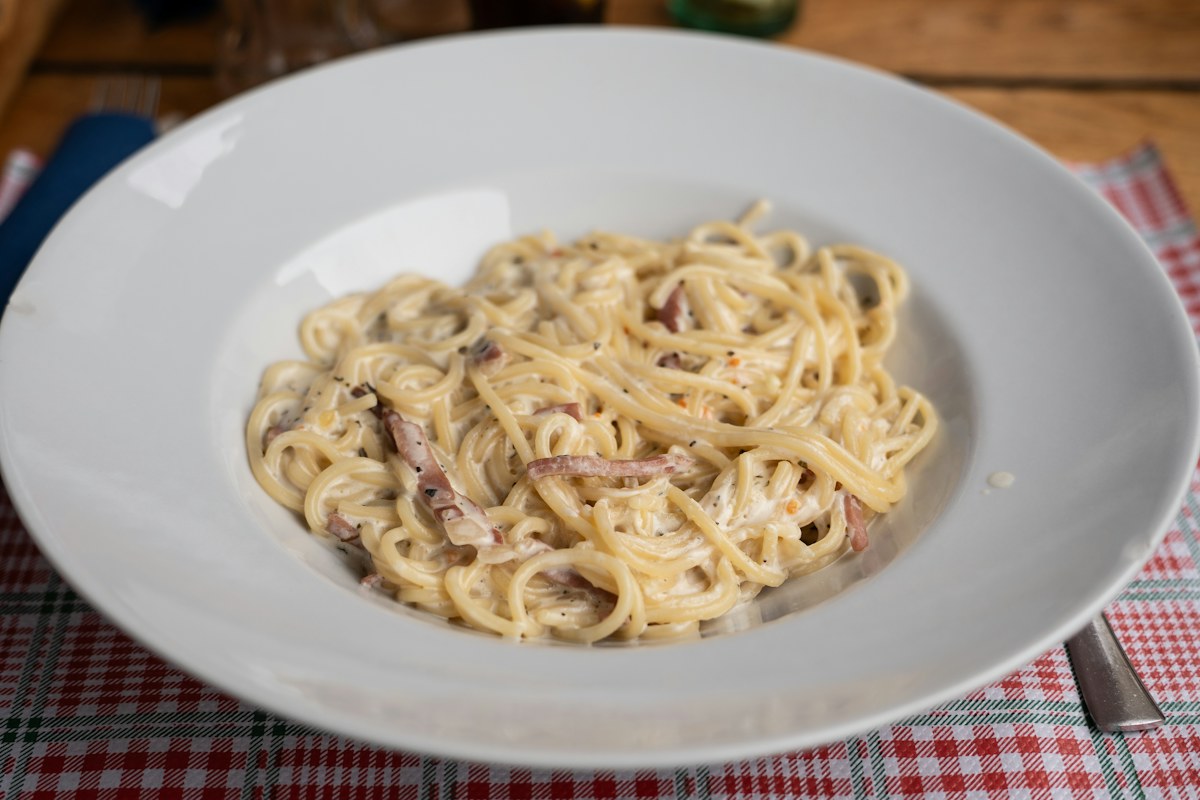
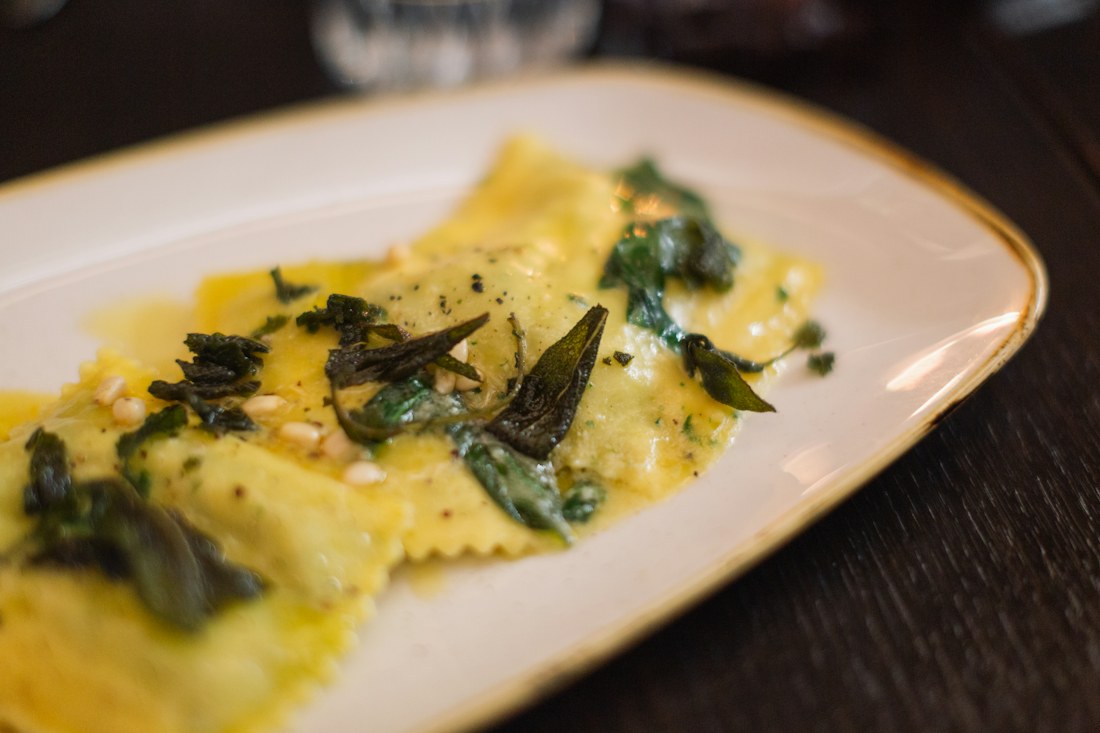
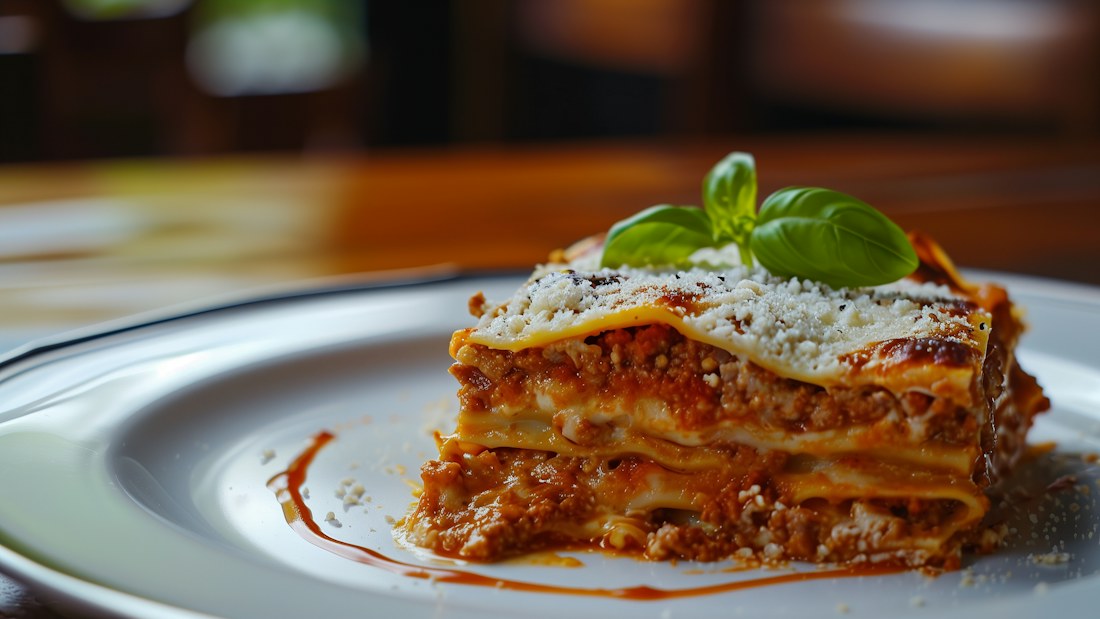
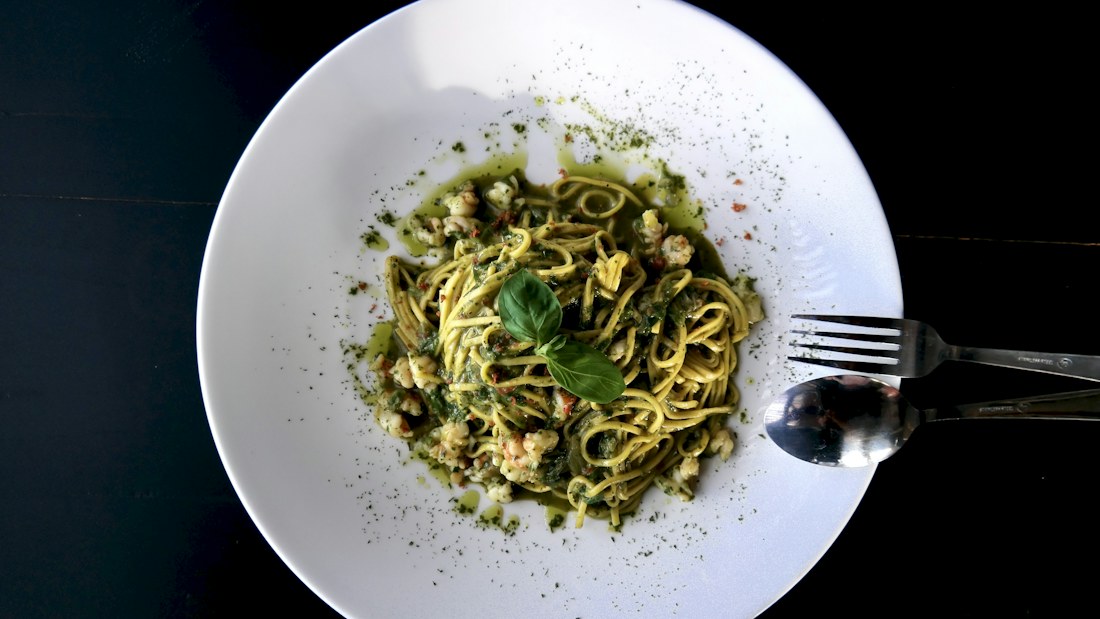
Pasta is far more varied than a choice between cream, tomato, and oil. Shape, filling, sauce, and cooking method combine to produce an extraordinary range of dishes.579
A map you can eat
Pasta developed differently across Italy. In Tuscany, wide pappardelle often meets a rich meat ragù. In Emilia, filled tortellini has a long tradition of being served in broth.67 A small ear-shaped orecchietta or a curved shell invites a different combination of pasta and sauce from a smooth strand of spaghetti.
When a pasta name on a menu is unfamiliar, look at the shape first. Linguine is long and flattened. Rigatoni is a large ridged tube. Ravioli holds its filling between sheets of dough. Suddenly the name is less a word to memorize than a picture of the meal to come.
What sounds good tonight?
Return to the lobster linguine. Its long, flat strands take on a light sauce without hiding the seafood. For a richer cream sauce, you might choose fettuccine. For a sauce full of mushrooms or small pieces of meat, rigatoni offers places for them to settle. With ravioli, the first question may be what is inside.
A world of pasta shapes does not have to make dinner complicated. Think about whether you want something light or rich, silky or textured, delicate or full of bite. Once you do, the shapes begin to make sense. An ordinary-looking plate can open up an entirely new story.
Sources
- International Pasta Organisation, pasta shapes
- Museo della Pasta, exhibition itinerary
- Museo della Pasta, production history
- International Pasta Organisation, pasta myths
- Barilla, pasta and sauce pairing
- Academia Barilla, Tuscany
- Academia Barilla, tortellini
- Barilla, thin and thick spaghetti
- Academia Barilla, carbonara and vongole