Las Vegas, in All Its Splendor
Las Vegas, in All Its Splendor
A city of desert beginnings, bright nights, and snow-covered mountains.
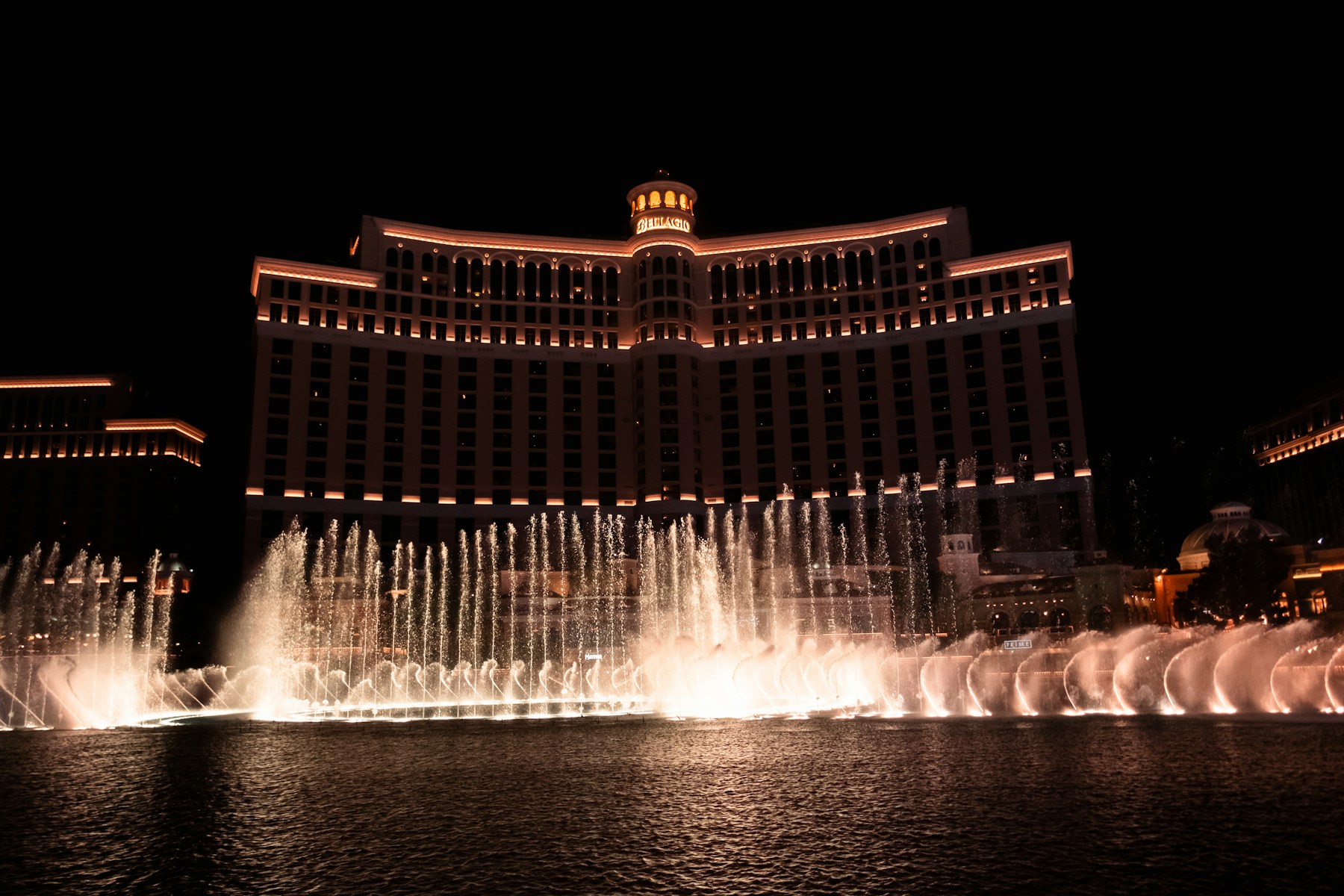
What comes to mind when you think of Las Vegas? Casino lights, elaborate hotels, and shows that turn an evening into an event. To a first-time visitor, the Strip can feel like an enormous stage. Walk a few blocks, step through a hotel entrance, and the setting changes again.
Yet the lights tell only part of the story. This city has a history rooted in water and railroads, meals worth planning a day around, and shopping that becomes part of the journey.
Beyond the resorts lie red desert landscapes, forest trails, and winter slopes. The city a visitor discovers and the city a resident calls home overlap in unexpected ways.
How did a city grow in the desert?
Long before the hotels, natural springs supported Indigenous communities and later drew travelers and settlers. Springs Preserve recognizes this history on Southern Paiute land.[2]
Railroad connections and a land auction in 1905 helped establish modern Las Vegas; it incorporated in 1911. In 1931, Nevada legalized gambling and Hoover Dam construction began nearby. Workers arrived, the local economy grew, and demand for lodging and entertainment increased.[1]
Hoover Dam: an engineering story beside the city
Building the dam meant diverting the Colorado River through tunnels before constructing the massive concrete structure in stages. Work began in 1931, concrete placement ended in 1935, and all project features were completed in 1936.[3]
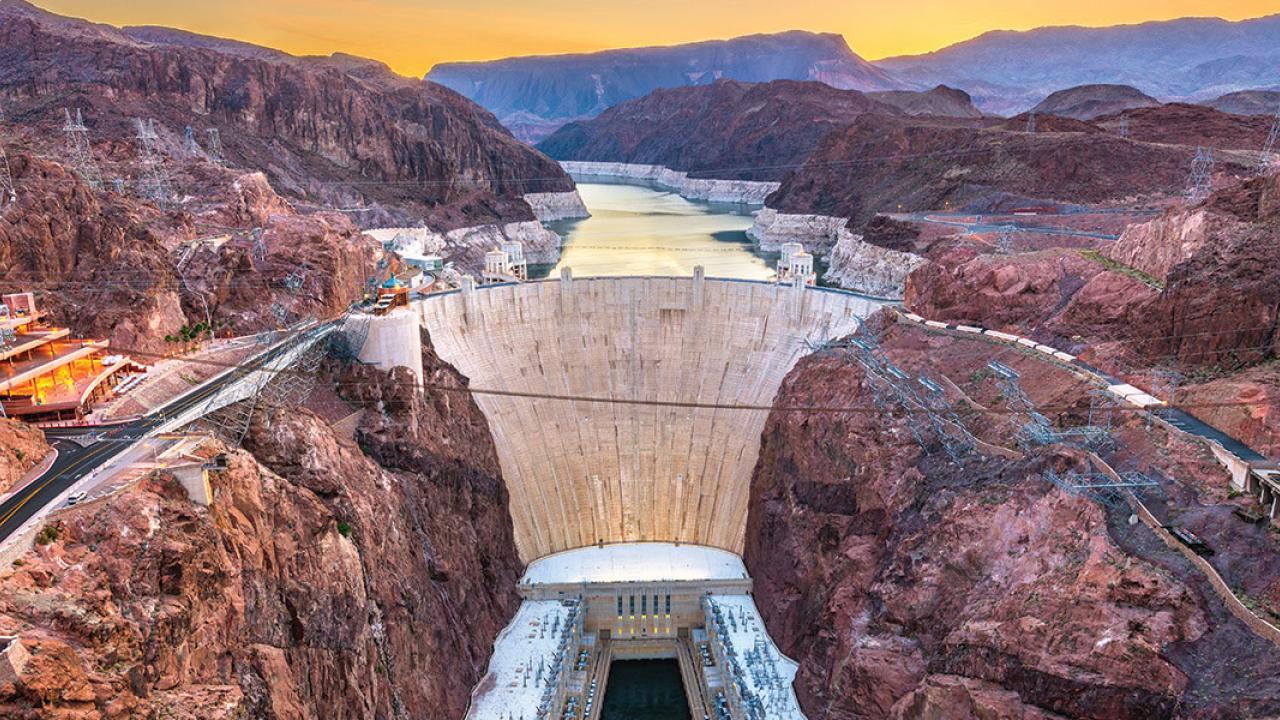
Hoover Dam is both a landmark to visit and a reminder of the work and ambition behind the region’s growth. The dam alone did not create Las Vegas, but the jobs and people it brought helped mark a turning point.
Resorts began developing along the future Strip in the 1940s, including El Rancho Vegas and the Flamingo. Over time, lodging, gambling, and live entertainment became parts of a larger resort experience.[1]
A hotel can be a destination
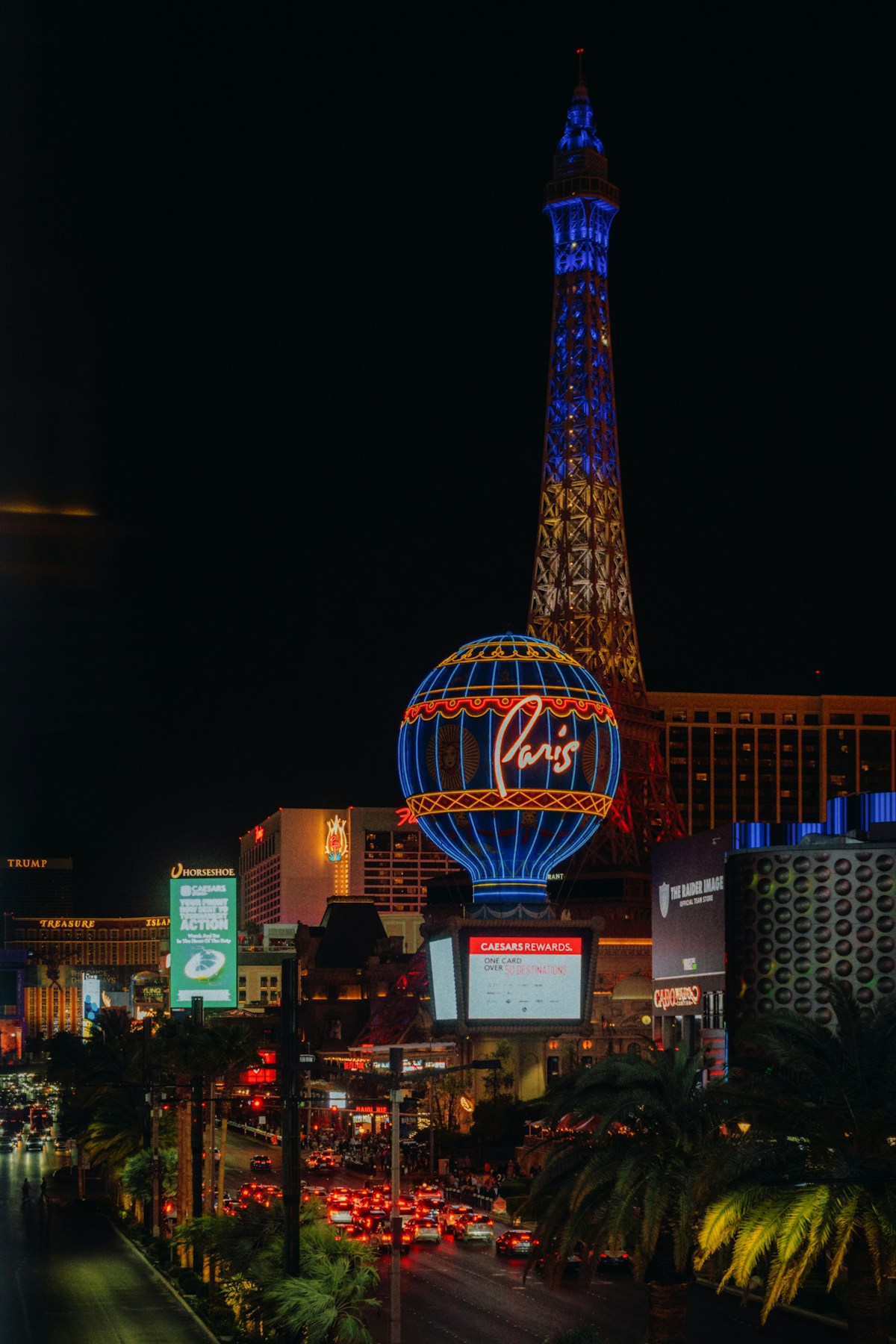
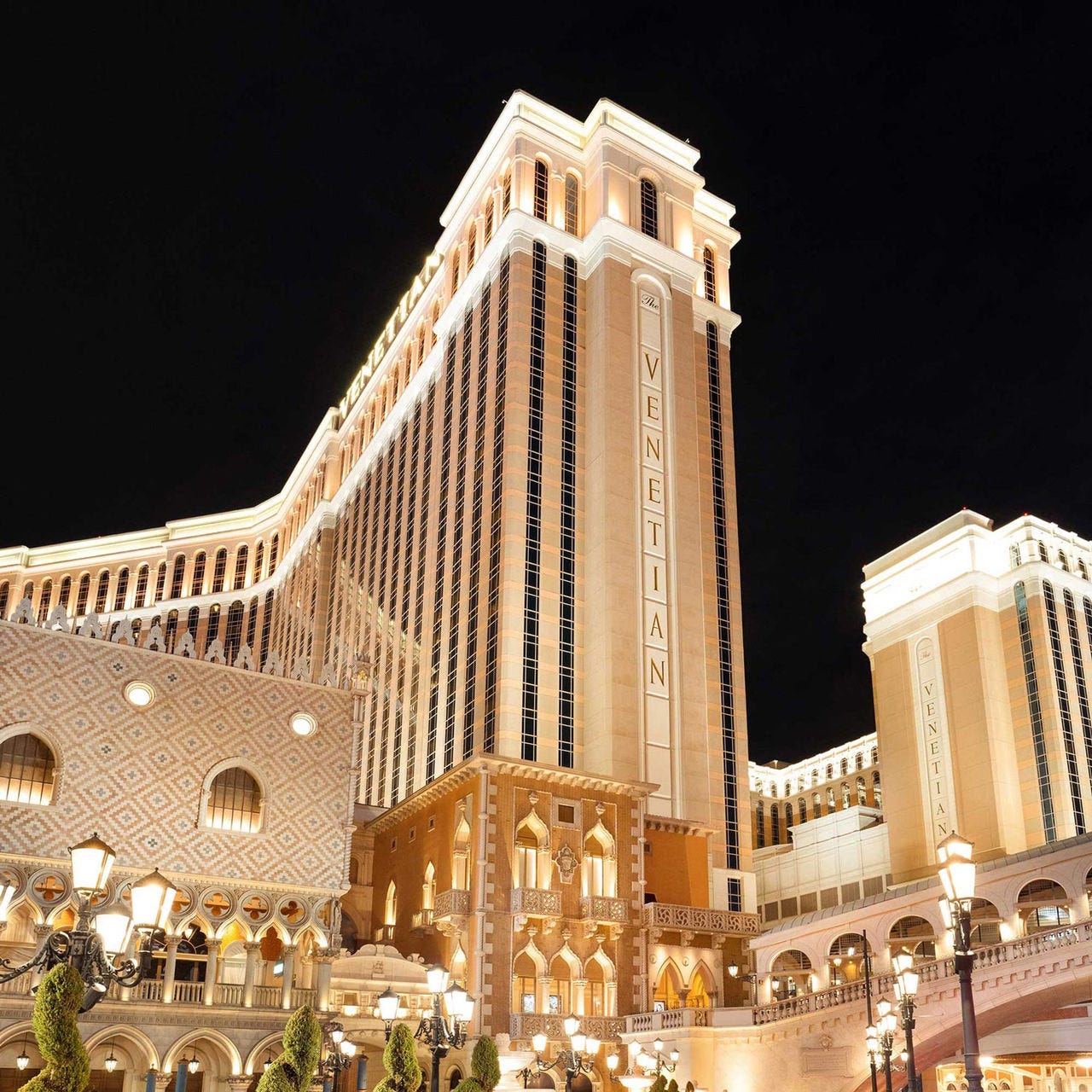
In Las Vegas, a hotel is somewhere to explore. You can wander through gardens, look at art, wait for a fountain show, or plan dinner around a performance. One resort evokes Paris; another offers a version of Venice, reimagined in the desert.
At the Venetian’s Grand Canal Shoppes, canals and gondolas share the setting with stores and restaurants.[4] Visiting a hotel can easily become an afternoon of walking, shopping, and eating. You can fill a day without ever sitting at a gaming table.
Well-known restaurants to explore
Choosing where to eat is a pleasure in its own right. There are special-occasion dining rooms, chef-led restaurants, sushi and seafood, and meals drawing on many culinary traditions. Some evenings call for dressing up and making dinner the main event. Others are about finding something good while exploring.
In Las Vegas, a meal can become a destination of its own. A fountain-side terrace, a garden waterfall, carefully composed French courses, or a dining room slowly turning above the city: these restaurants make the setting part of the experience.
Spago · Bellagio
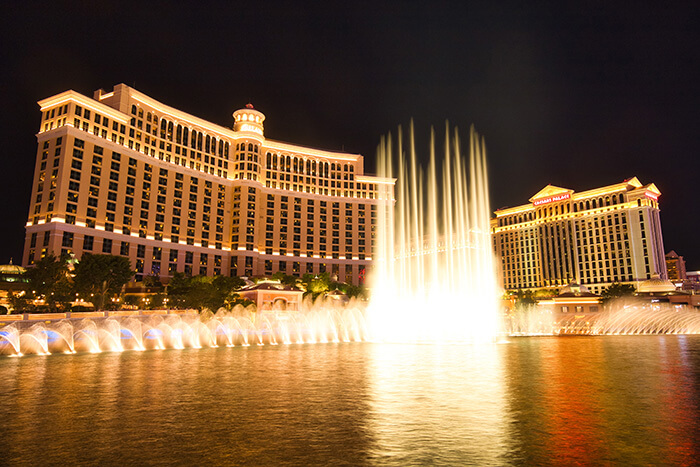
Wolfgang Puck’s Spago pairs its cuisine with views of the Bellagio fountains. From the terrace, the movement of water and light becomes part of the evening. Official website ↗
Mizumi · Wynn
A Japanese garden, pond, and waterfall provide the backdrop for sushi, sashimi, and other Japanese dishes. In the heart of the city, the view brings a different rhythm to dinner. Official website ↗

Nobu · Caesars Palace
Nobu Matsuhisa’s restaurant at Caesars Palace offers contemporary Japanese dining, including sushi and sashimi. Official website ↗

Restaurant Guy Savoy · Caesars Palace
The French chef’s Las Vegas restaurant puts thoughtful cooking, the progression of courses, and attentive service at the center of the evening. It suits an occasion when dinner itself deserves time and attention. Official website ↗

Gordon Ramsay Hell’s Kitchen · Caesars Palace
Inspired by Gordon Ramsay’s television show, this restaurant stands in front of Caesars Palace and features the show’s red and blue open kitchens. Its signature Beef Wellington wraps beef and mushroom duxelles in golden puff pastry. Official website ↗

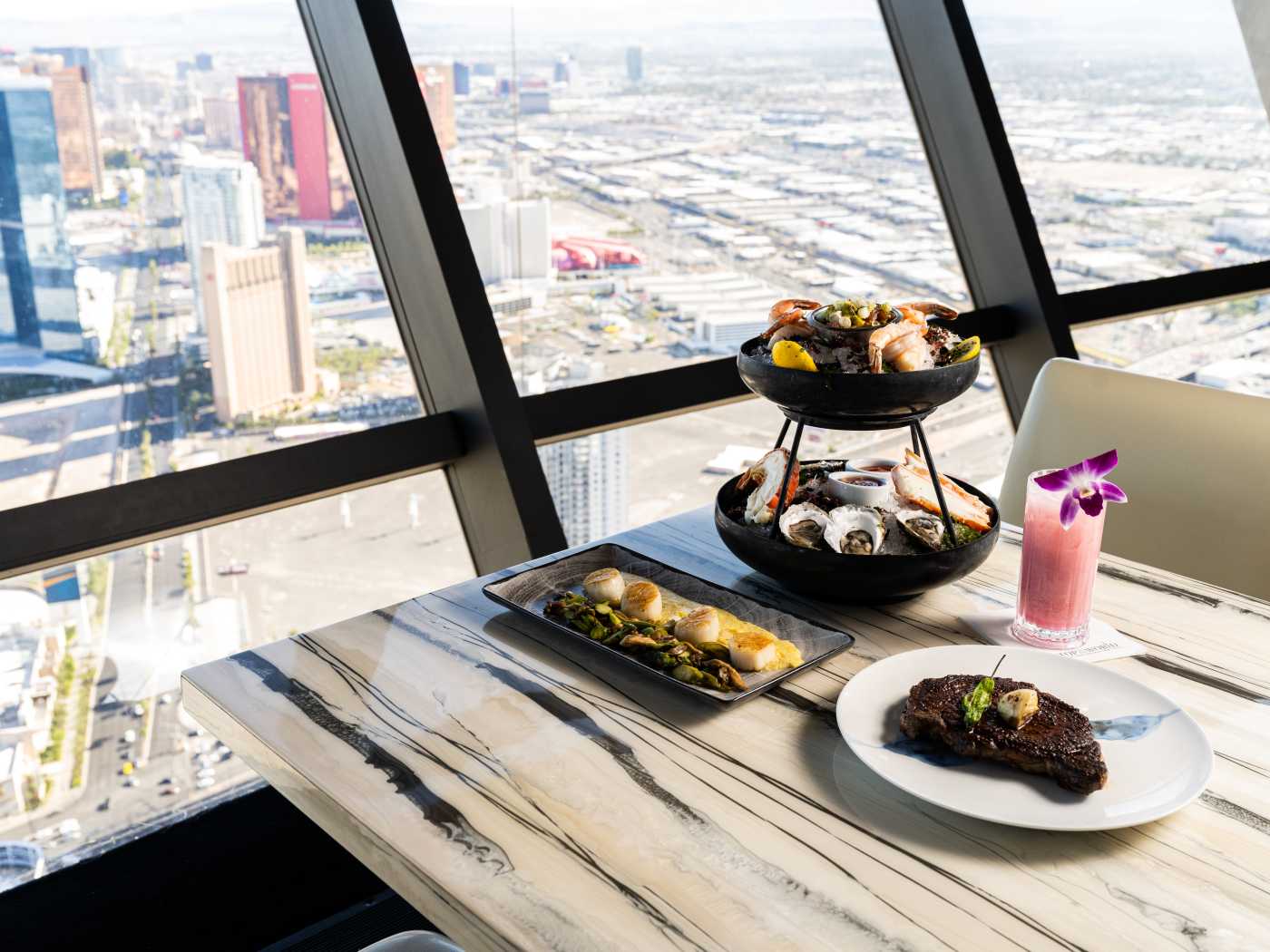
Top of the World · The STRAT
High above Las Vegas, this revolving restaurant serves steaks and seafood as the city unfolds beyond the windows. The dining room completes a full rotation every 80 minutes, gradually changing the view throughout the meal. At sunset, daylight gives way to the lights of the valley below. Official website ↗


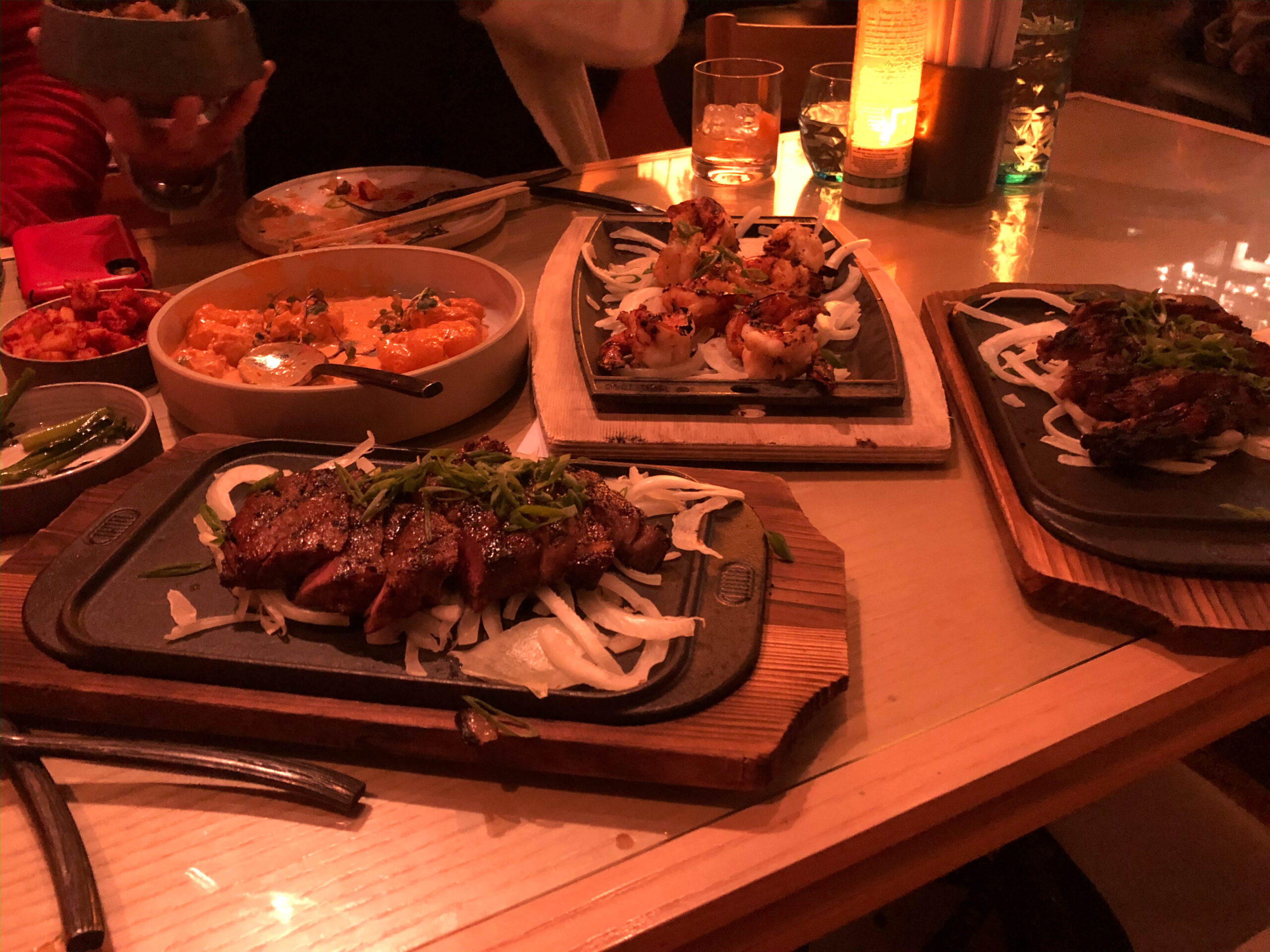
Best Friend · Park MGM
Chef Roy Choi brings his Korean heritage and Los Angeles roots to this lively restaurant. Korean flavors meet Mexican influences and street-food traditions, while a neighborhood-store-style entrance leads into a high-energy dining room.
It offers another side of Las Vegas dining alongside the city’s formal tasting menus. Official website ↗

Another hotel dining option is Joël Robuchon at MGM Grand.
Local restaurants beyond the Strip
Outside the Strip, the pace changes. Neighborhood restaurants and cafés offer another way to experience the city. Discovering a place that suits your taste—and returning to it—can be as satisfying as visiting a famous dining room.
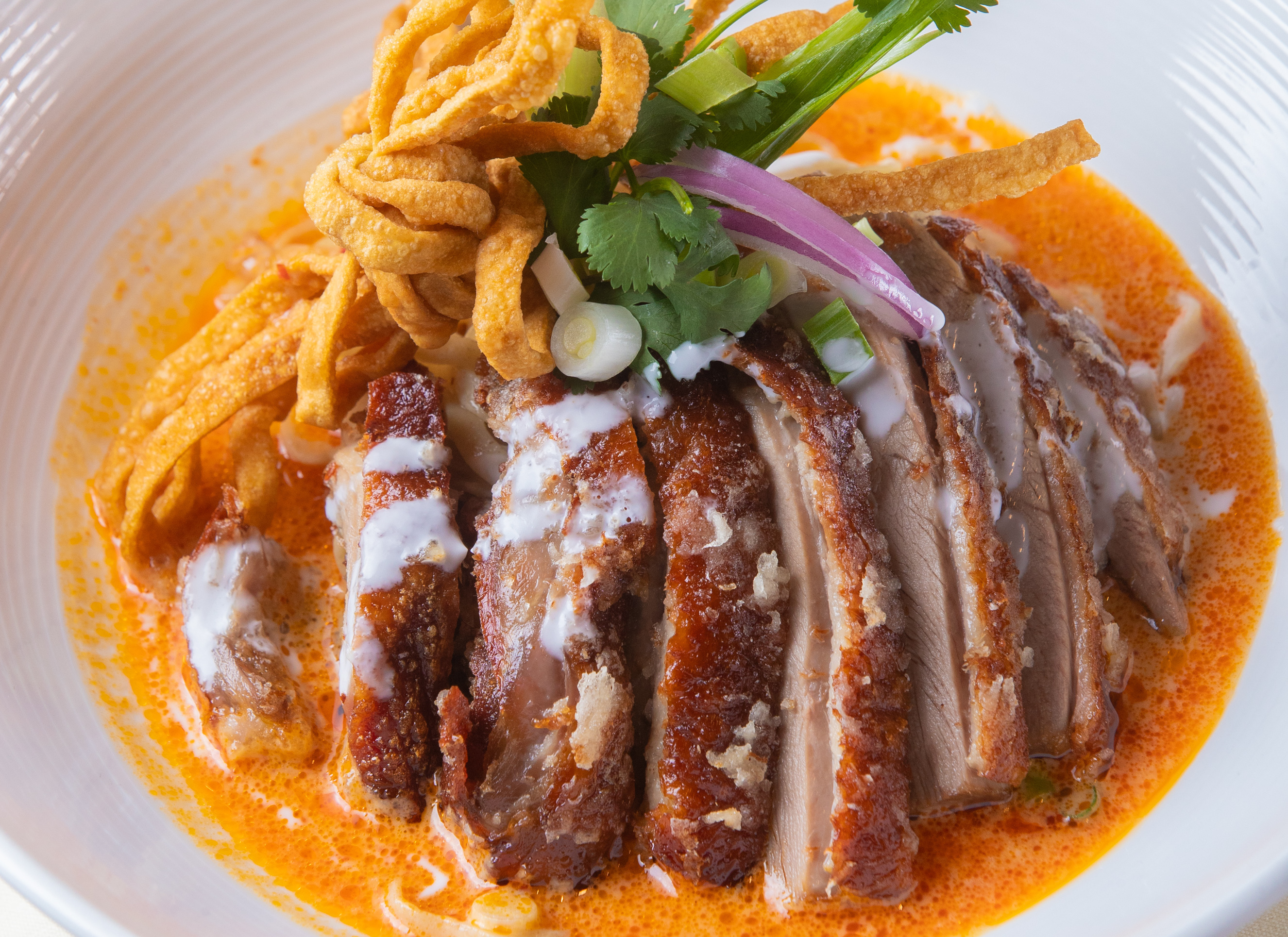
Lotus of Siam
Northern Thai cooking with fragrant herbs and spices, offering a destination beyond the Strip’s hotel dining rooms. Official website ↗
Esther’s Kitchen
A seasonal Italian neighborhood restaurant in the downtown Arts District, pairing naturally with a day exploring the area. Official website ↗
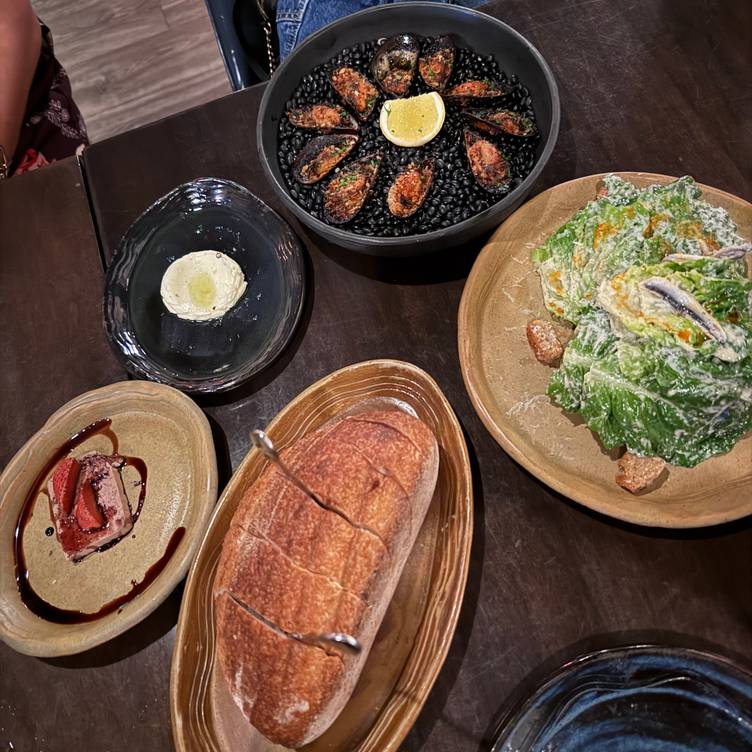
Nittaya’s Little Kitchen
A neighborhood Thai restaurant on Norman Rockwell Lane, serving family-style dishes inspired by Chef Nittaya’s Thai family recipes. Official website ↗
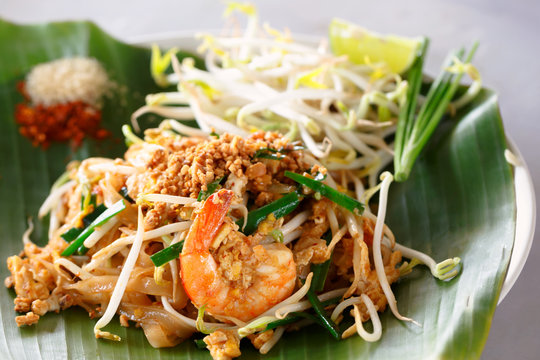
Other Mama
A neighborhood seafood restaurant and raw bar with Asian-influenced dishes and cocktails. Official website ↗

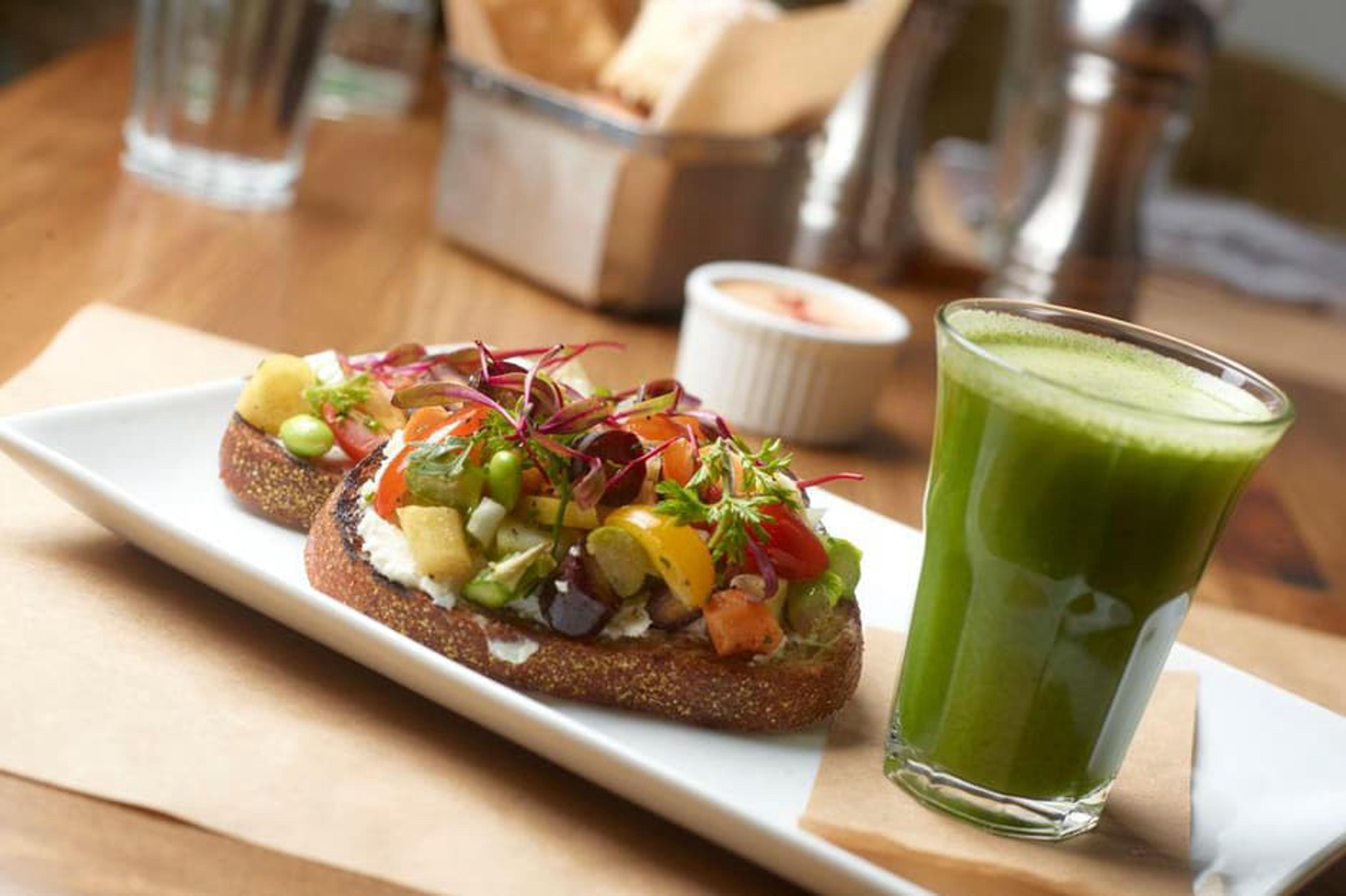
Honey Salt
A neighborhood restaurant in Rampart Commons offering lunch, dinner, and weekend brunch. Official website ↗
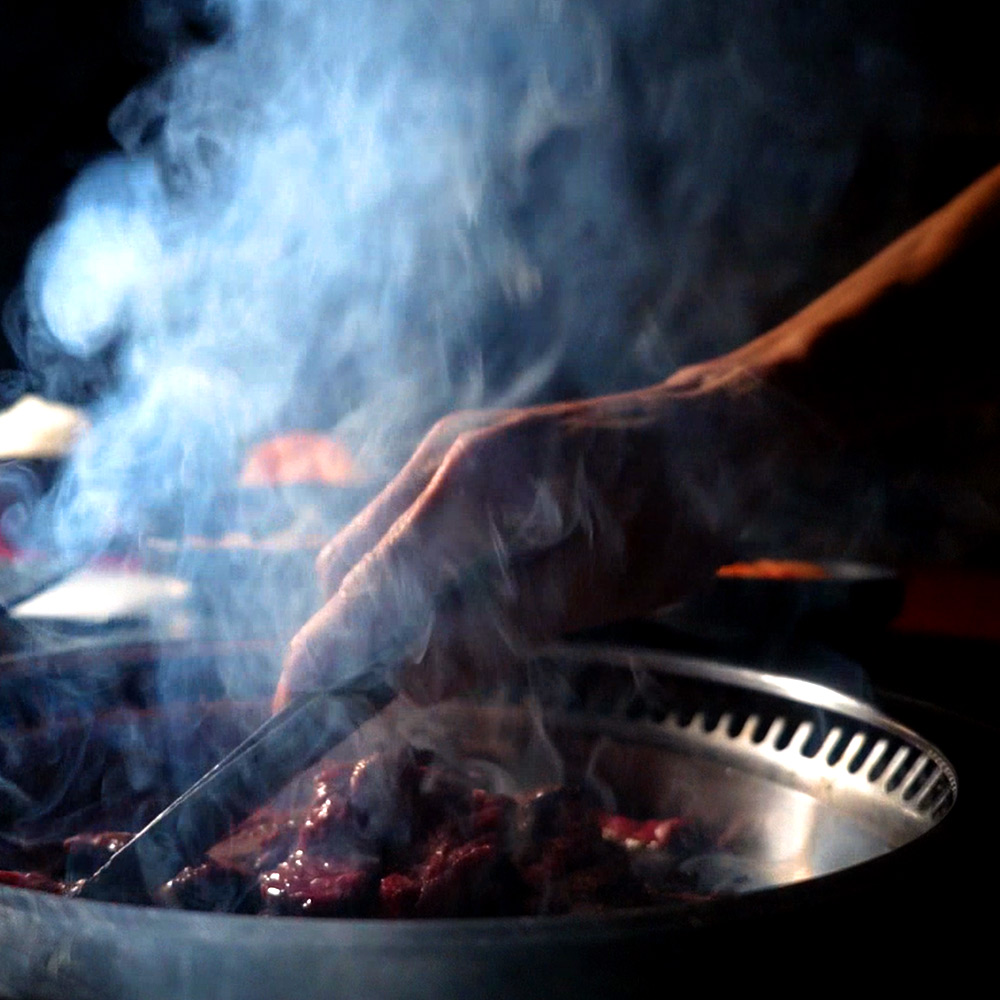
Gangnam Asian BBQ
Near the Strip, Gangnam Asian BBQ combines Korean and Japanese barbecue, with tabletop grilling and a varied all-you-can-eat menu. Official website ↗
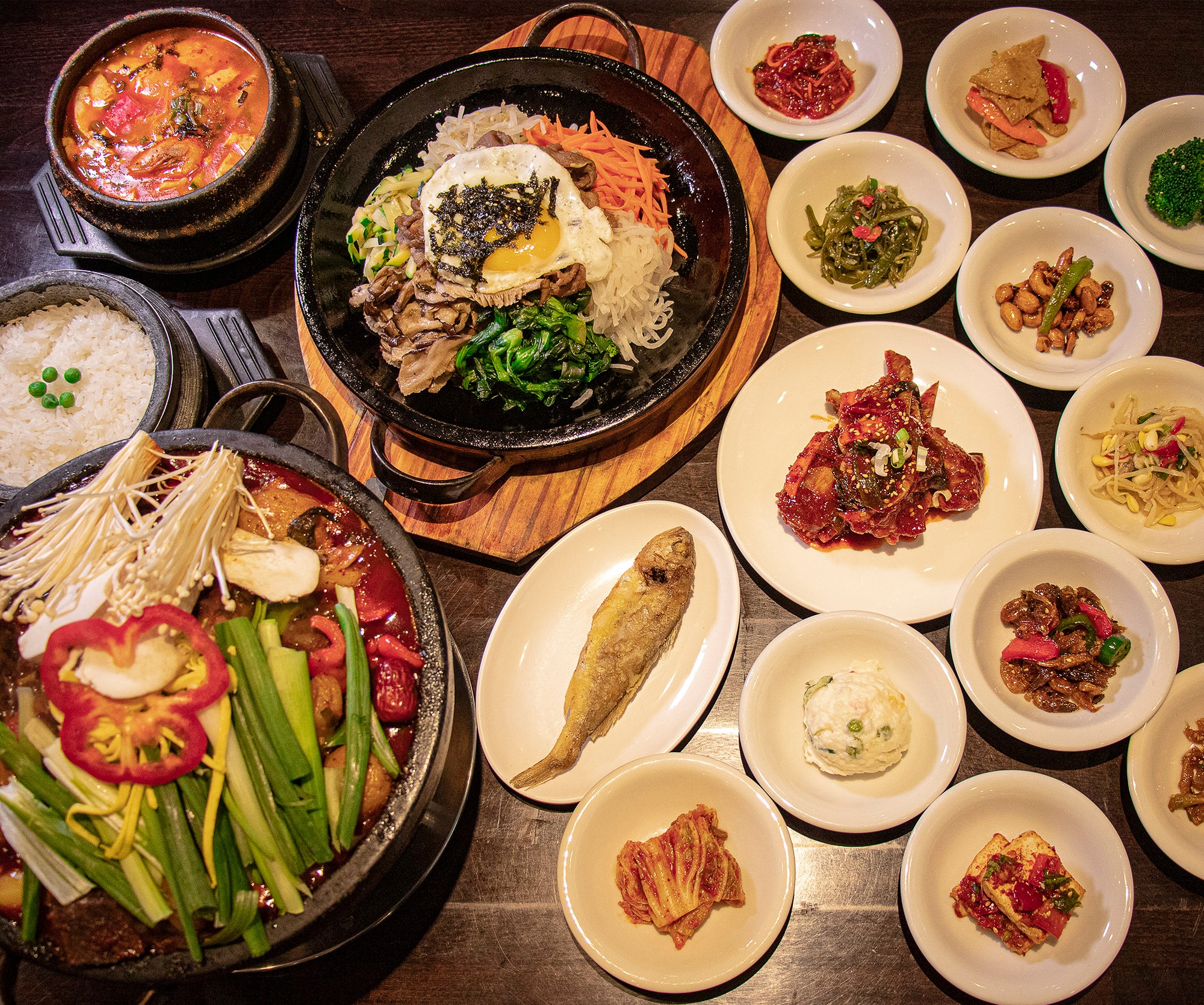
Mr. Tofu
A local Korean restaurant serving soft tofu stew, bulgogi, and grilled fish—a comforting alternative to barbecue, with rice and side dishes.
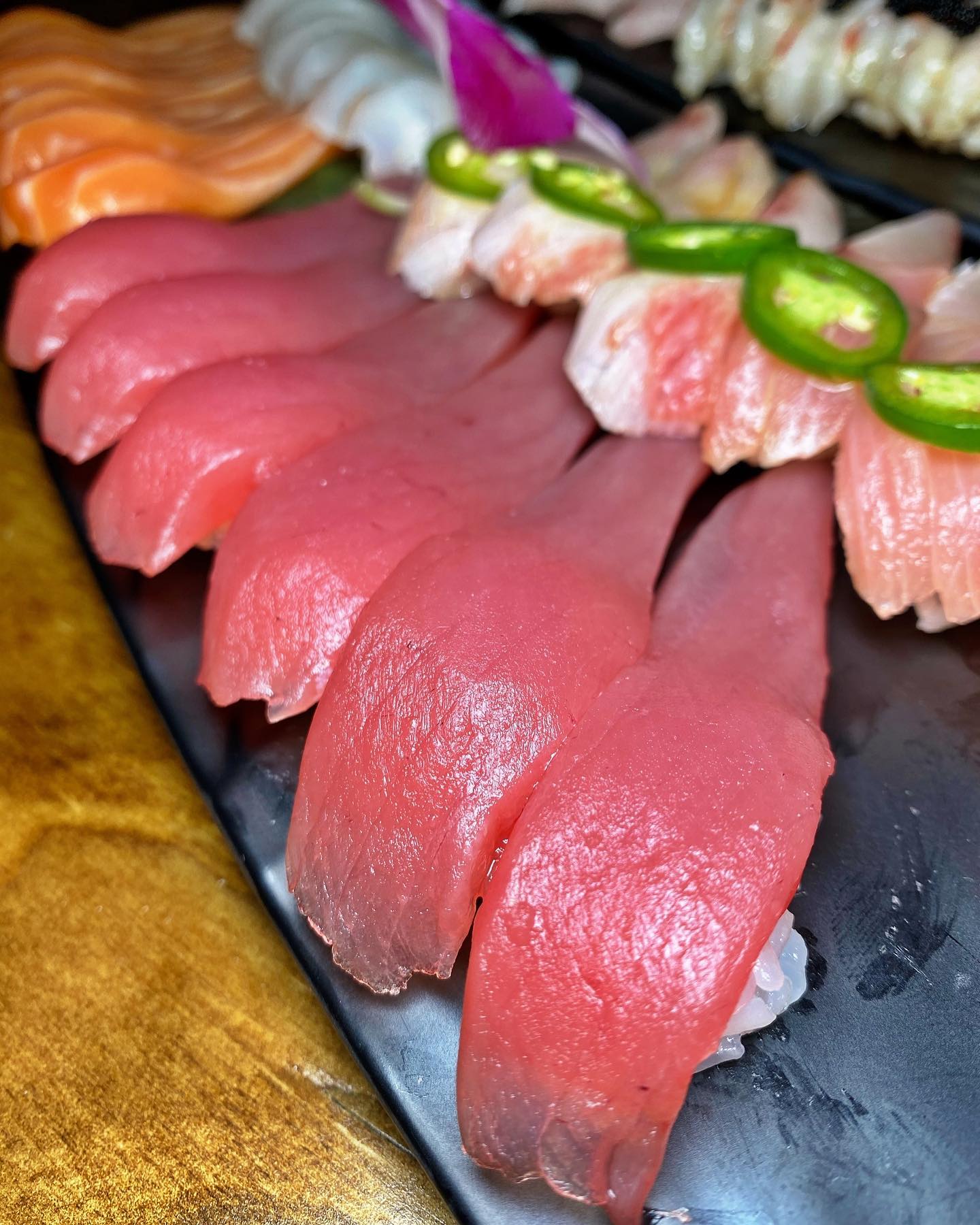
Top Sushi & Oyster
A local choice for sushi and rolls, offering a neighborhood alternative to the Strip’s hotel Japanese restaurants. Official website ↗
Select a restaurant name for its official information. Check menus and reservation availability before visiting.
Shopping as a way to explore
The Forum Shops at Caesars Palace, the Grand Canal Shoppes, Fashion Show, and the outlets offer different settings for a shopping day.[5] Luxury boutiques and casual browsing can belong to very different itineraries.
A little shopping, a coffee break, dinner, then a show: retail spaces often connect the experiences of a Las Vegas day. Even when you leave without a shopping bag, you may leave with a memory of the place.

Roman-style statues and a grand atrium frame the shopping galleries. · Dayton Daily News
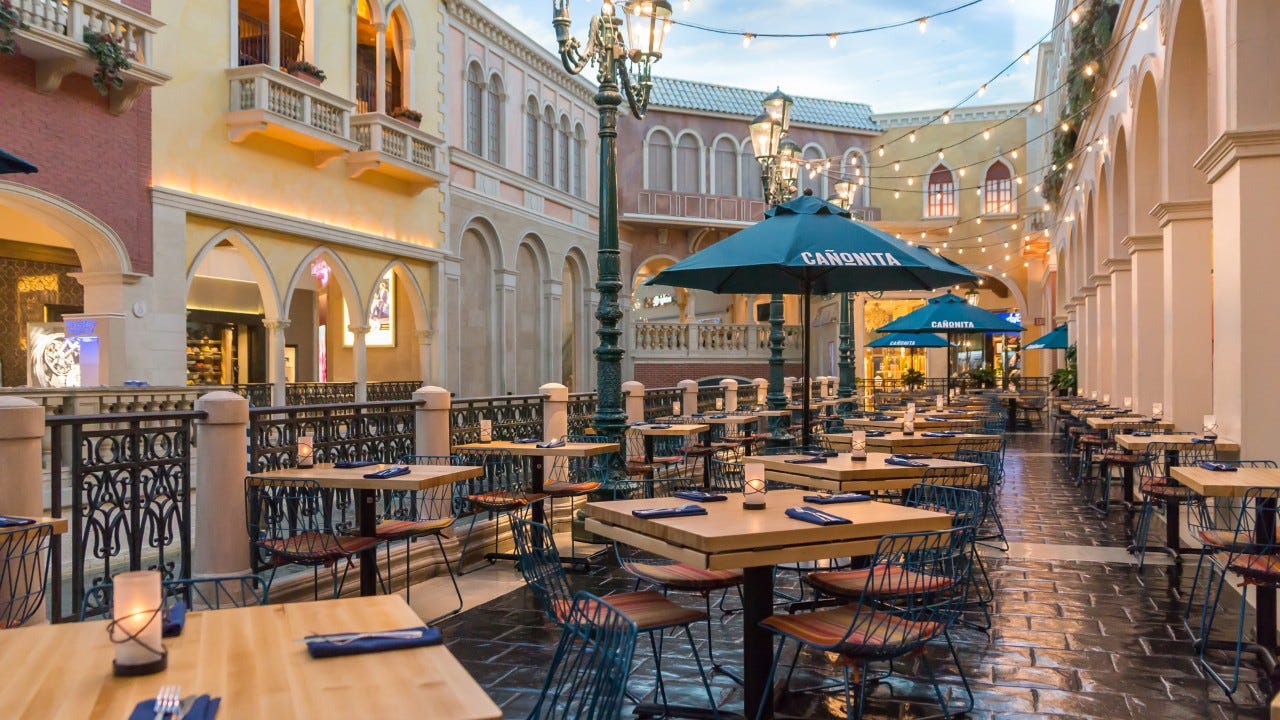
A canal and boutiques beneath a painted sky ceiling. · The Venetian Las Vegas
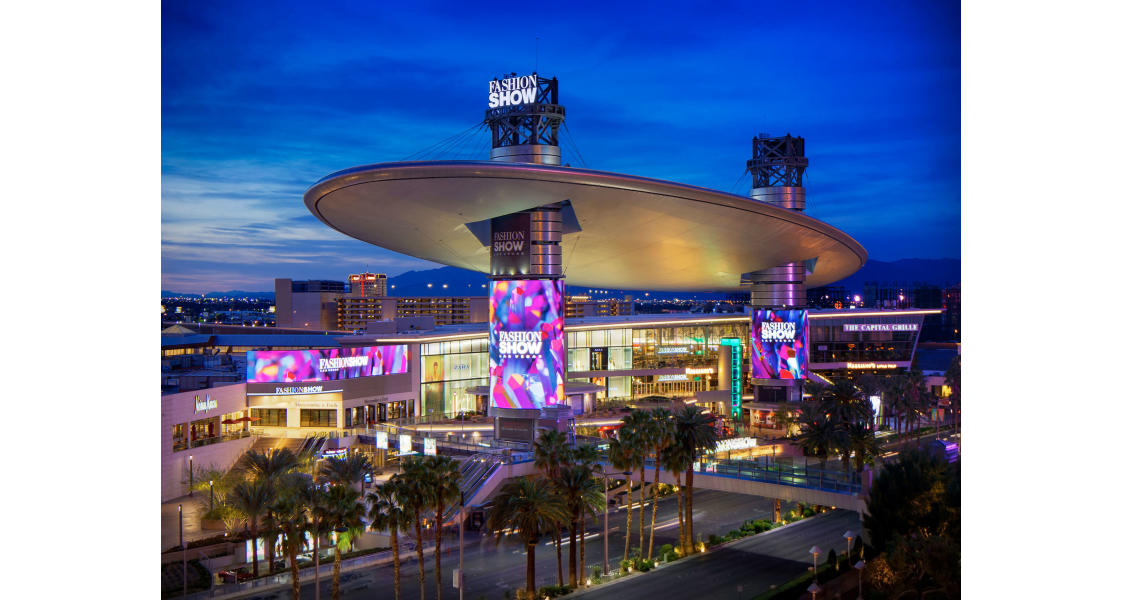
Las Vegas Convention and Visitors Authority
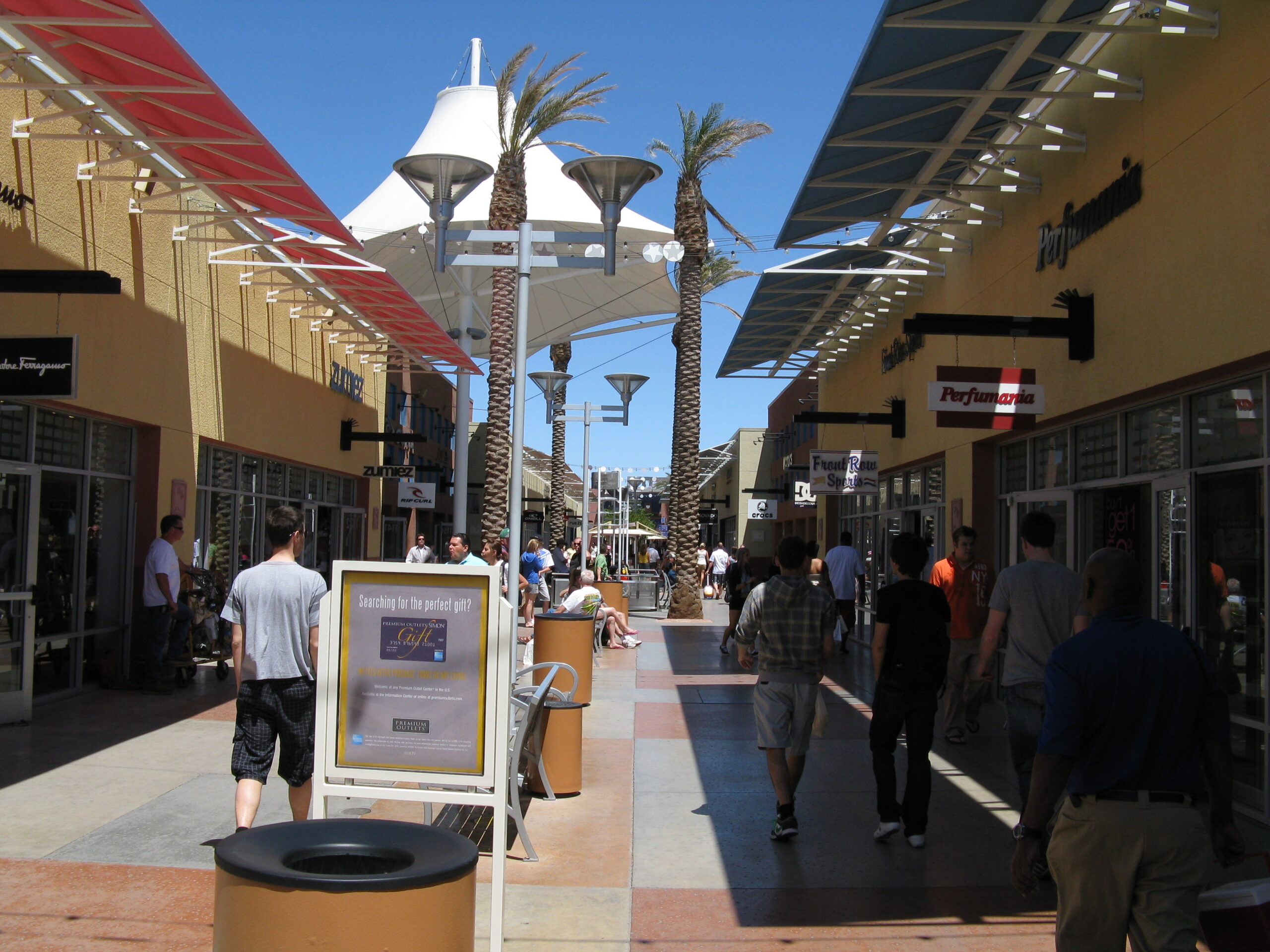
Alen Ištoković / Wikimedia Commons · CC BY 3.0

From desert rock to mountain snow
Beyond the Strip, rock formations and open sky take the place of neon. At Red Rock Canyon, the colors of the desert become the attraction. On a trail, the city’s soundtrack gives way to footsteps and wind.
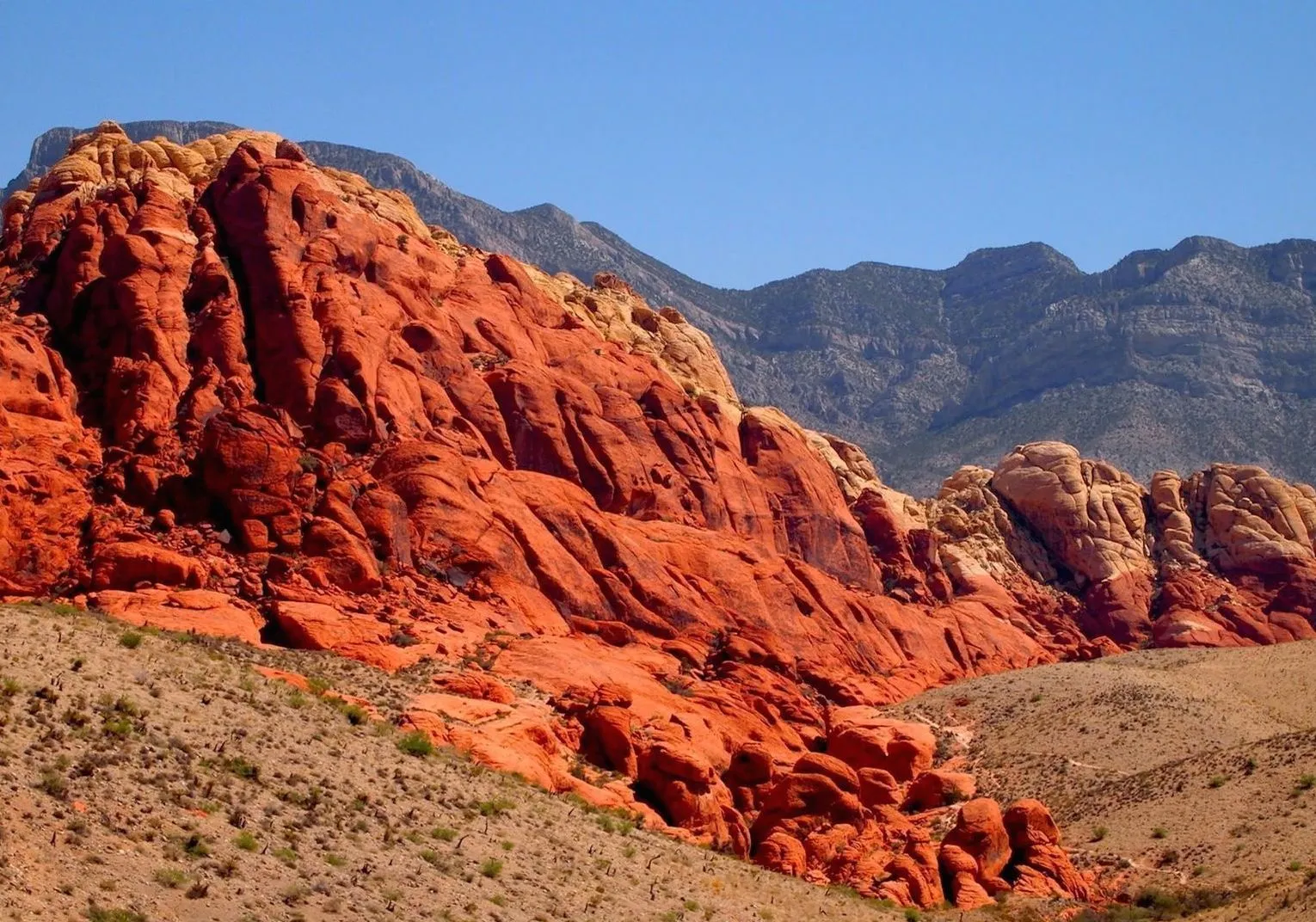
Drive roughly an hour toward the Mount Charleston area, depending on your destination and traffic, and the landscape changes to forest and mountain terrain. Hiking and camping offer warmer-season escapes; winter brings snow and a different way to spend the day.[6]
Snowboards in winter, mountain trails in warmer weather
A drive of about 45–60 minutes from Las Vegas takes you to skiing and snowboarding in the snow-covered Spring Mountains. This is Lee Canyon, where an hour on the road trades neon lights for snowy slopes and forest.
The winter season typically begins in late November or early December, with snow sports generally continuing into March or April, depending on conditions. Actual opening and closing dates vary each year with snowfall and weather.[8]
The resort has four chairlifts and 27 trails. Its easy day-trip distance draws both Las Vegas locals and visitors who want to spend a day on the snow. Chairlifts above the forest and snow spraying beneath a board are scenes many visitors would never associate with a desert city. In warmer weather, Lee Canyon also offers mountain biking.[7]
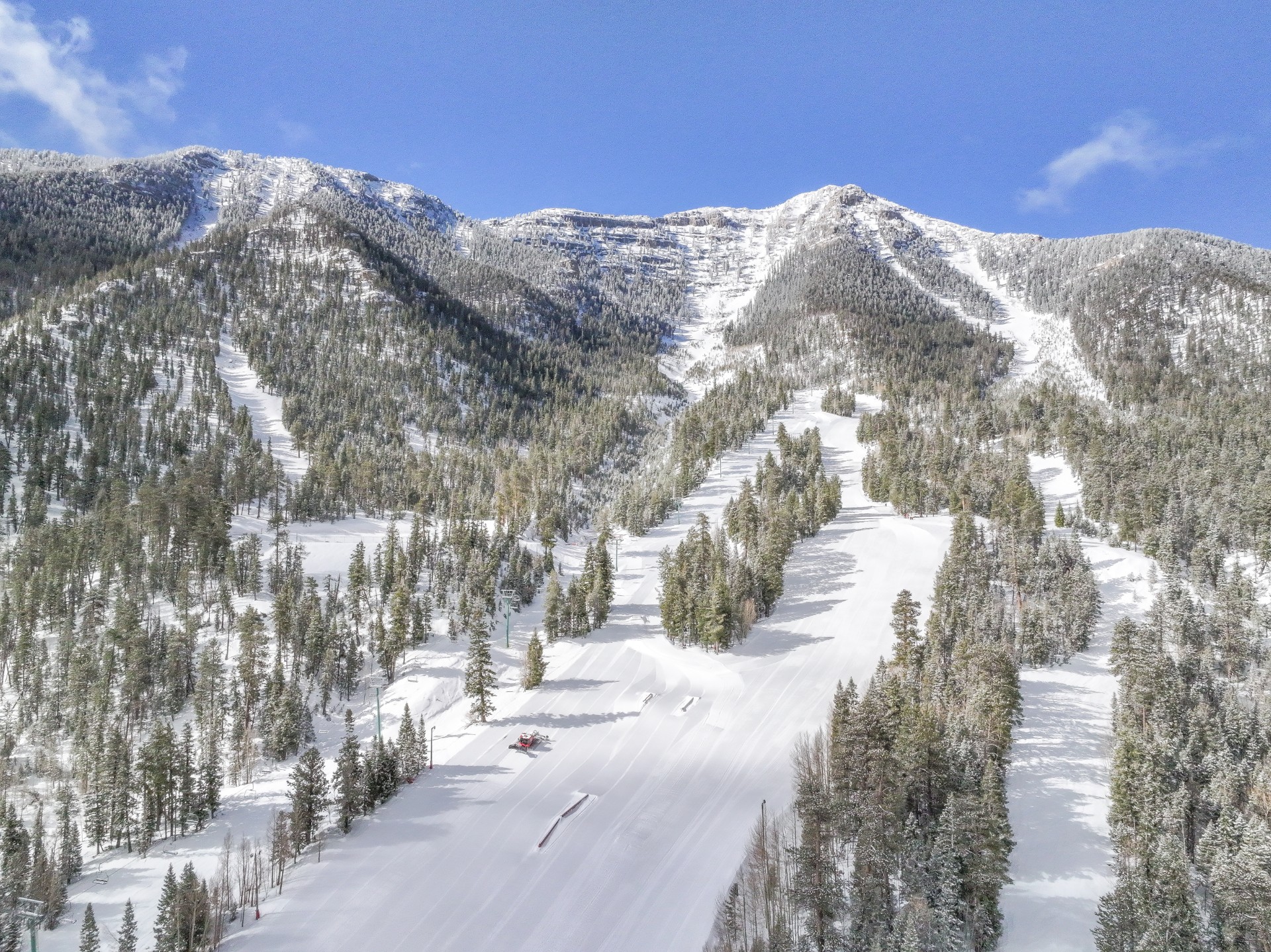
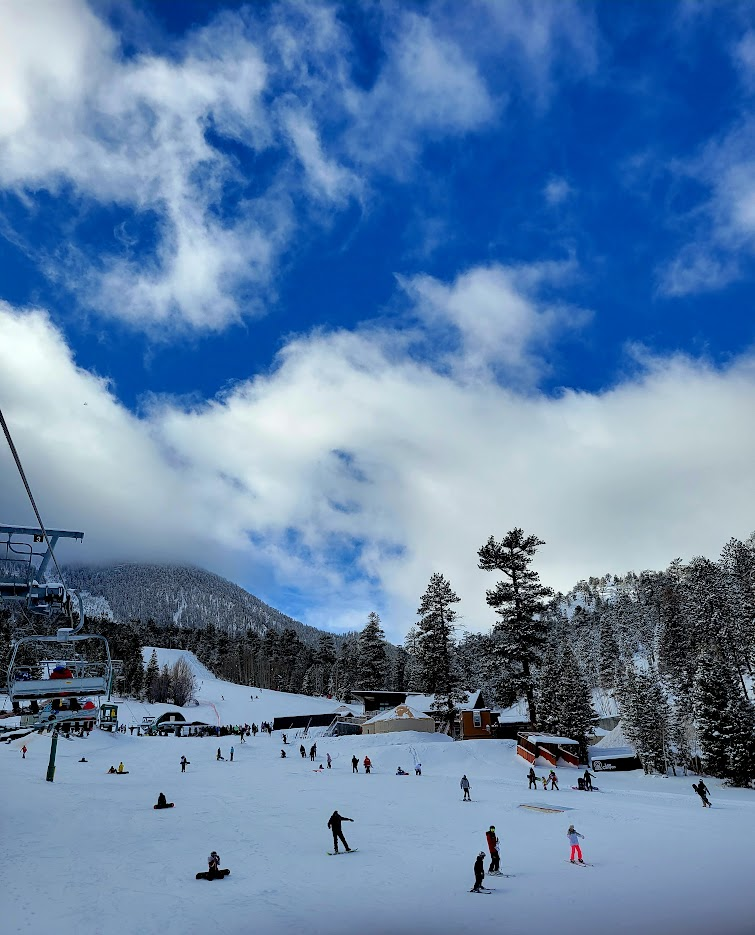
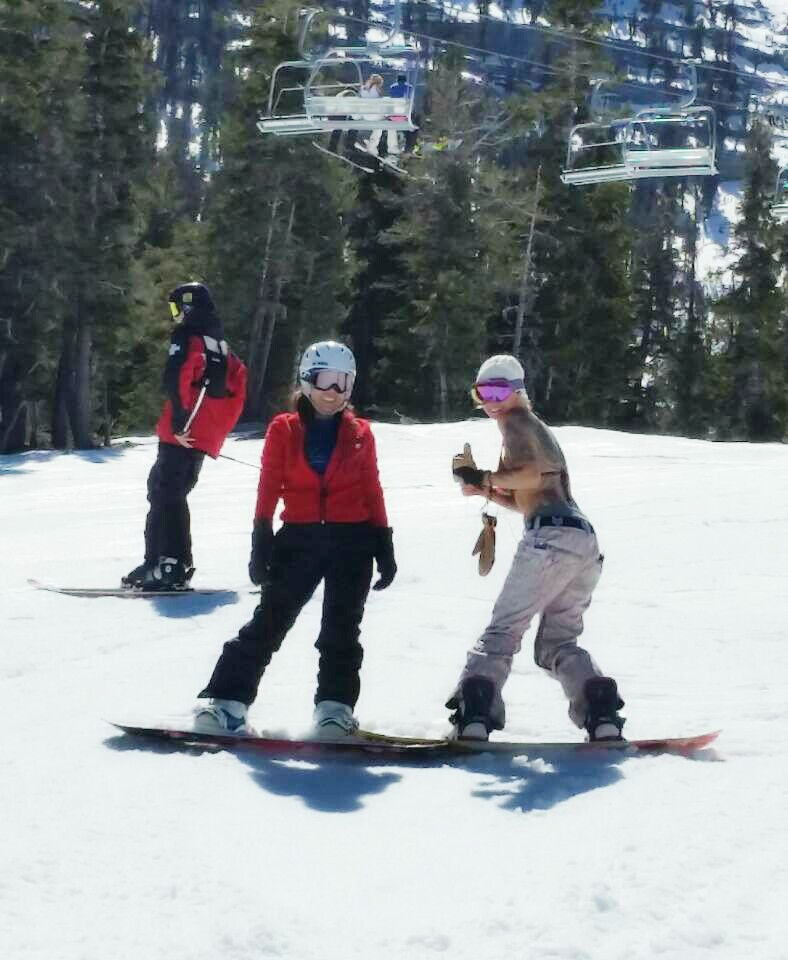
The surrounding mountains offer hiking and camping, with biking on permitted routes. Activities depend on the trail, season, and operating conditions.[6] Snow play outside the ski area should be distinguished from resort offerings: tubing is currently not permitted in Lee Canyon’s managed areas.[8]
Places to explore in and around Las Vegas
A short escape from the city opens up a different trip: red cliffs, forested mountains, lakes, rivers, small-town streets, and natural hot springs. These places offer many ways to spend a day beyond the bright lights.
Red desert and forested mountains
- Red Rock Canyon
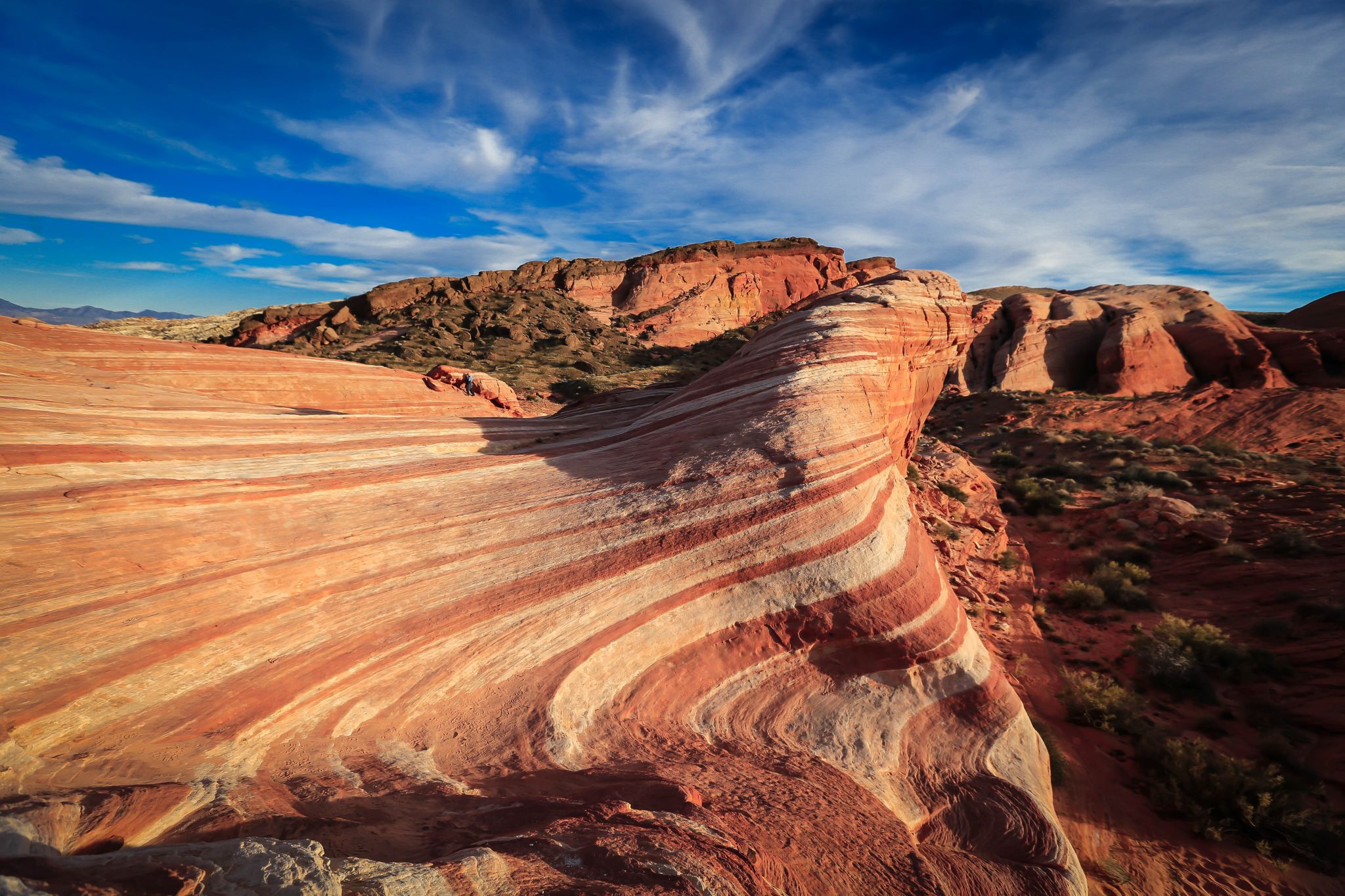
A scenic drive and hiking destination beneath red desert cliffs. - Valley of Fire
Brilliant sandstone and petroglyphs in a photogenic desert state park. - Mount Charleston
Forested mountains for hiking, picnics, and camping. - Lee Canyon
A resort for winter skiing and snowboarding, plus warmer-season mountain biking. - Spring Mountain Ranch
Historic ranch buildings and mountain scenery beside Red Rock Canyon.
Lakes, rivers, and local history
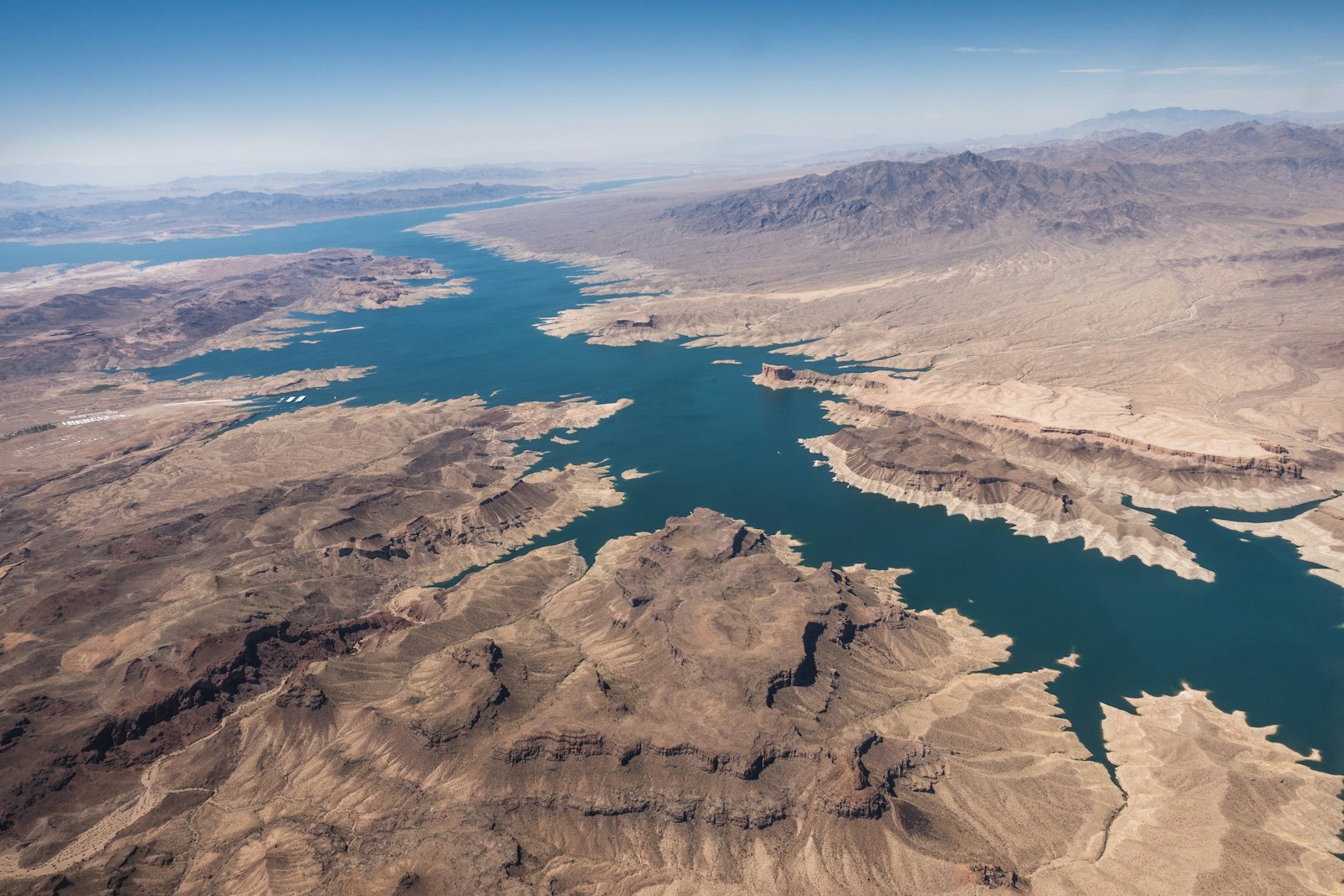
- Lake Mead
Shoreline drives and wide-open lake views in the desert. - Willow Beach & Emerald Cave
Kayaking and a glowing green cave on the Arizona side of the Colorado River. - Hoover Dam
A monumental dam, canyon views, and a story of regional growth. - Historic Railroad Trail
A walking trail through former railway tunnels above Lake Mead. - Boulder City
A small city of historic downtown shops and cafés.
Nature close to the city
- Springs Preserve
Museums, gardens, and trails exploring the origins of Las Vegas. - Clark County Wetlands Park
Wetland walks and birdwatching in a nature preserve. - Tule Springs Fossil Beds
Ice Age history and desert landscapes in a national monument.
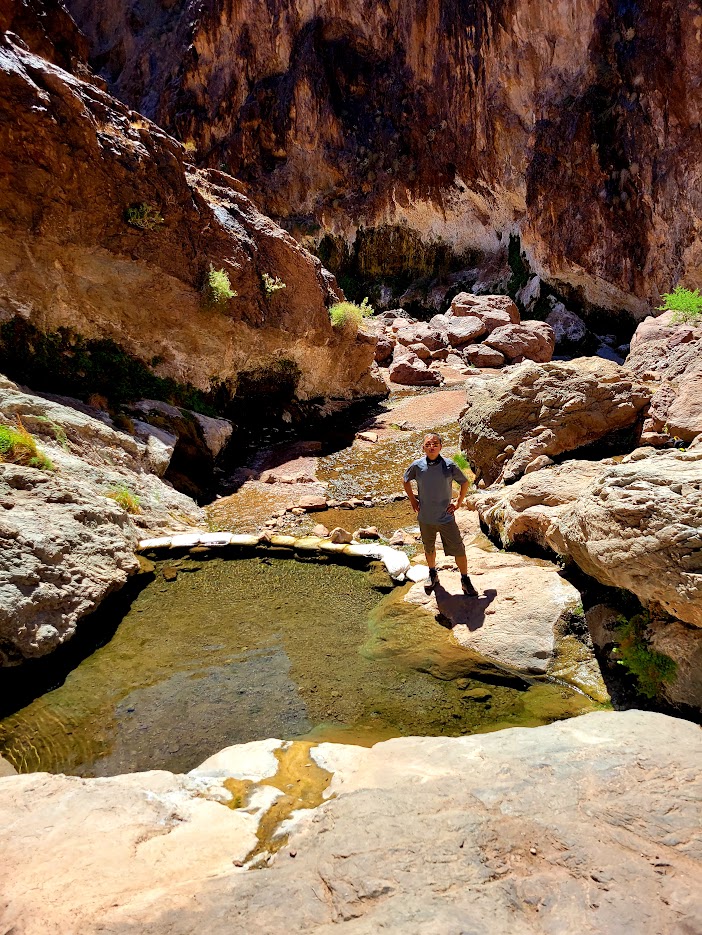
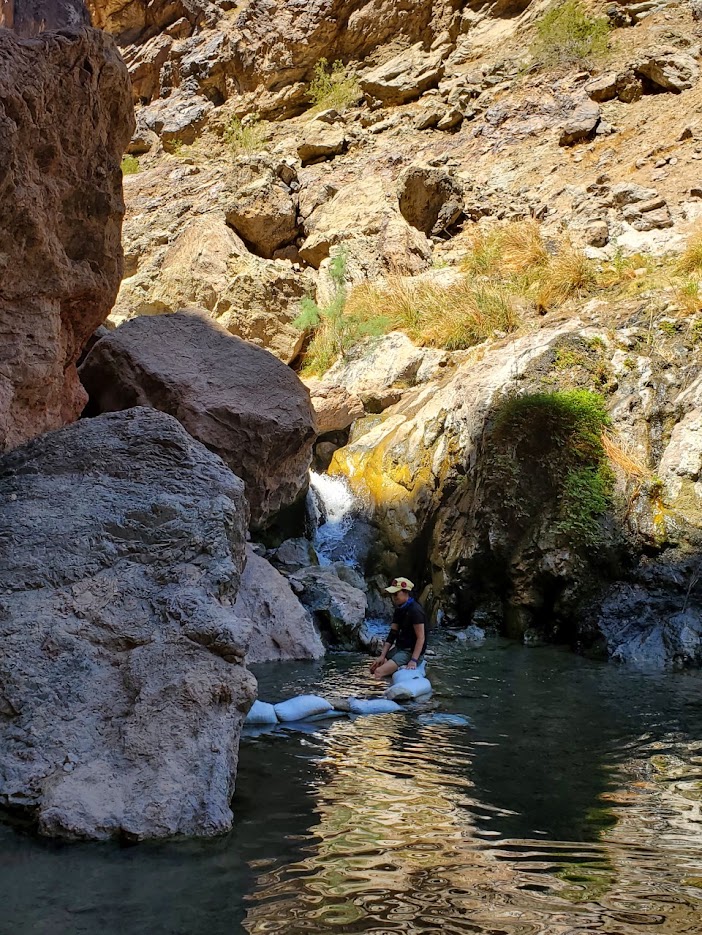
Two natural hot springs in the canyons
- Gold Strike Hot Springs
Natural canyon springs reached by a very strenuous scrambling route. - Arizona Hot Springs
Natural springs on the Arizona side, reached by a strenuous canyon hike.
A night in downtown Las Vegas
- Fremont Street Experience
Downtown neon, live music, and light shows on an overhead LED canopy.
Before you go
Red Rock’s Scenic Drive requires timed vehicle-entry reservations from 8 a.m. to 5 p.m., October 1–May 31. Valley of Fire has summer trail closures and an annual maintenance closure on December 1–14; check its official notices. Land trails to both hot springs close annually May 15–September 30, with additional heat closures possible. The springs are not managed swimming pools, and the water is not regularly tested. Do not drink it or submerge your head; consult NPS safety guidance and current conditions before visiting.
Red Rock entry information · Valley of Fire notices · Lake Mead and hot springs conditions
The two sides of Las Vegas
The dazzling nights of “Sin City” and the quiet rhythms of residential life
One person remembers a show, another a memorable dinner or a shopping afternoon. Someone else remembers walking beneath red cliffs or floating through fresh snow.
The lights of Las Vegas are dazzling, and the people who live here enjoy a peaceful everyday life.