CHANEL
CHANEL
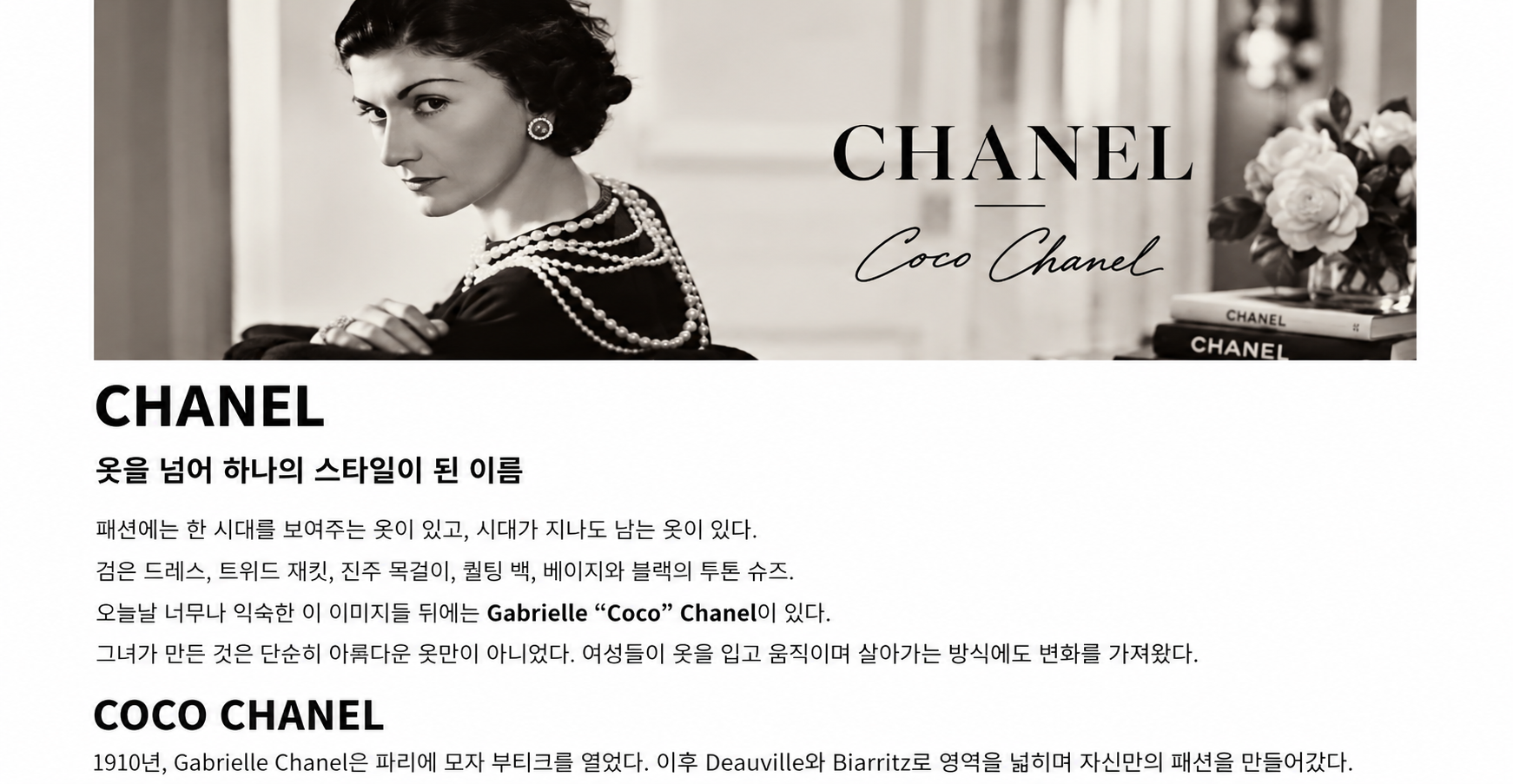
The black dress, the tweed jacket, pearl necklaces, quilted bags, and beige-and-black two-tone shoes.
Behind these familiar images stands Gabrielle “Coco” Chanel.
She created more than beautiful clothes. She also changed how women dressed, moved, and lived.
How Gabrielle Became Coco
Gabrielle Chanel was born in 1883 in Saumur, France, into a family of modest means. After losing her mother as a child, she lived with her sisters at the convent orphanage in Aubazine, where she is said to have learned to sew.
Her beginnings were far removed from the glamorous Paris fashion world she would later help shape.
As a young woman, she worked as a seamstress in Moulins and sang on café stages. Her nickname, Coco, is commonly traced to the songs she performed there. She did not achieve great success as a singer, but the name she acquired onstage stayed with her for life.
Two Men Who Opened a New World: Étienne Balsan and Arthur ‘Boy’ Capel
Étienne Balsan, whom she met around this time, came from a wealthy family and bred horses. As his companion, Chanel entered high society and encountered a very different way of life.
She observed riding, outdoor pursuits, and the practicality of men’s clothing. She began wearing the simple hats she made herself and receiving orders from women around her. At a time when elaborate decoration dominated millinery, her restrained designs offered a different look.
Through Balsan’s circle, she met Arthur ‘Boy’ Capel, an English businessman and polo player who became her lover and an important supporter of her early business. Balsan had opened the door to a new social world; Capel’s financial backing helped her establish a shop under her own name.
CHANEL Began with a Hat Shop
In 1910, with Capel’s support, Chanel opened a millinery boutique called Chanel Modes at 21 rue Cambon in Paris. It was not yet a fashion house producing dresses and bags. It began with hats.
Well-known French actresses wore her hats, bringing her name to a wider audience. What started as orders from acquaintances grew into a business attracting customers from across Paris.
She later opened a boutique in the seaside resort of Deauville and expanded into clothing. The jersey sportswear she introduced from 1913 marked an important turning point. A soft fabric associated with men’s underwear became comfortable resort clothing for women.
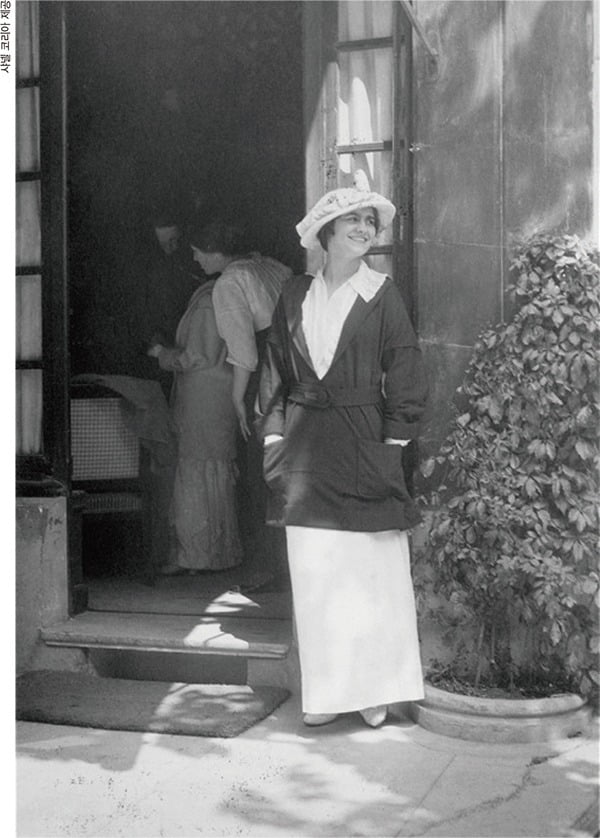
Women walking along the beach and enjoying outdoor activities needed clothes that allowed them to move. Chanel designed for that life. Her own experiences of riding and leisure helped shape her approach to dress.
In 1915, she opened her first couture house in Biarritz. The business grew beyond a small hat shop into an enterprise with staff and workrooms. In 1918, she purchased the building at 31 rue Cambon in Paris, creating space for a boutique, salons, and ateliers.
Building a Business in Her Own Name
Balsan and Capel played important roles at the beginning. But Chanel’s clothes, and the women who chose them, sustained the business. By repaying Capel’s initial funding, she also moved toward financial independence.
In 1919, Capel died in a car accident. Chanel continued working after losing both her lover and a crucial supporter of her early career. With N°5 in 1921 and the little black dress in 1926, she extended the reach of her name.
Her rise did not come from one encounter or one garment. Sewing skills, new connections, financial support, and an understanding of women’s changing lives gradually came together. CHANEL evolved from a small hat shop into a distinctive style.
Women’s clothing at the time often emphasized constricting and shaping the body. Chanel approached it differently.
She brought jersey, sailor shirts, and elements of menswear into women’s wardrobes, creating refined clothes that did not unnecessarily restrict movement.
Comfort could be elegant.
It sounds obvious today. At the time, it was a new idea.
THE LITTLE BLACK DRESS
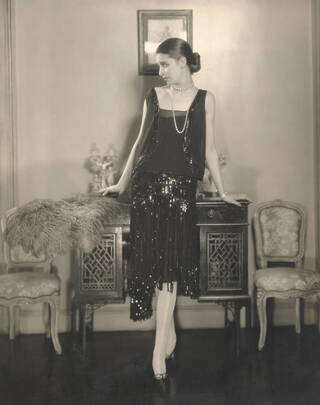
Photo: Edward Steichen / Condé Nast / Shutterstock · Source: V&A
Chanel did not invent the black dress. Black clothing existed before her, and other designers used it too. Her contribution was to link the color closely with the everyday elegance of the modern woman.
Black still carried associations with mourning and uniforms. From the late 1910s, Chanel presented it as a sophisticated, versatile choice. By reducing color and decoration, she brought the garment’s lines and proportions—and the woman wearing it—into clearer focus.
In October 1926, American Vogue featured her black crêpe dress, a simple design with long sleeves. The magazine compared it to the widely used Ford automobile: a dress that many women could wear in many situations, rather than one reserved for a particular occasion.
For women accustomed to changing clothes several times a day, a dress that could move from daytime to evening through a change of accessories was a practical proposition. Pearls gave it a composed elegance; other jewelry could set an evening mood.
The story that grief over Capel’s death inspired the black dress is widely repeated. Yet a single event cannot fully explain the design. It is better understood within her continuing interest in black and her efforts to simplify clothing.
Little Black Dress. She changed less the color itself than the way women wore it. Black moved from clothing tied to particular meanings toward an enduring wardrobe essential.
THE TWEED JACKET
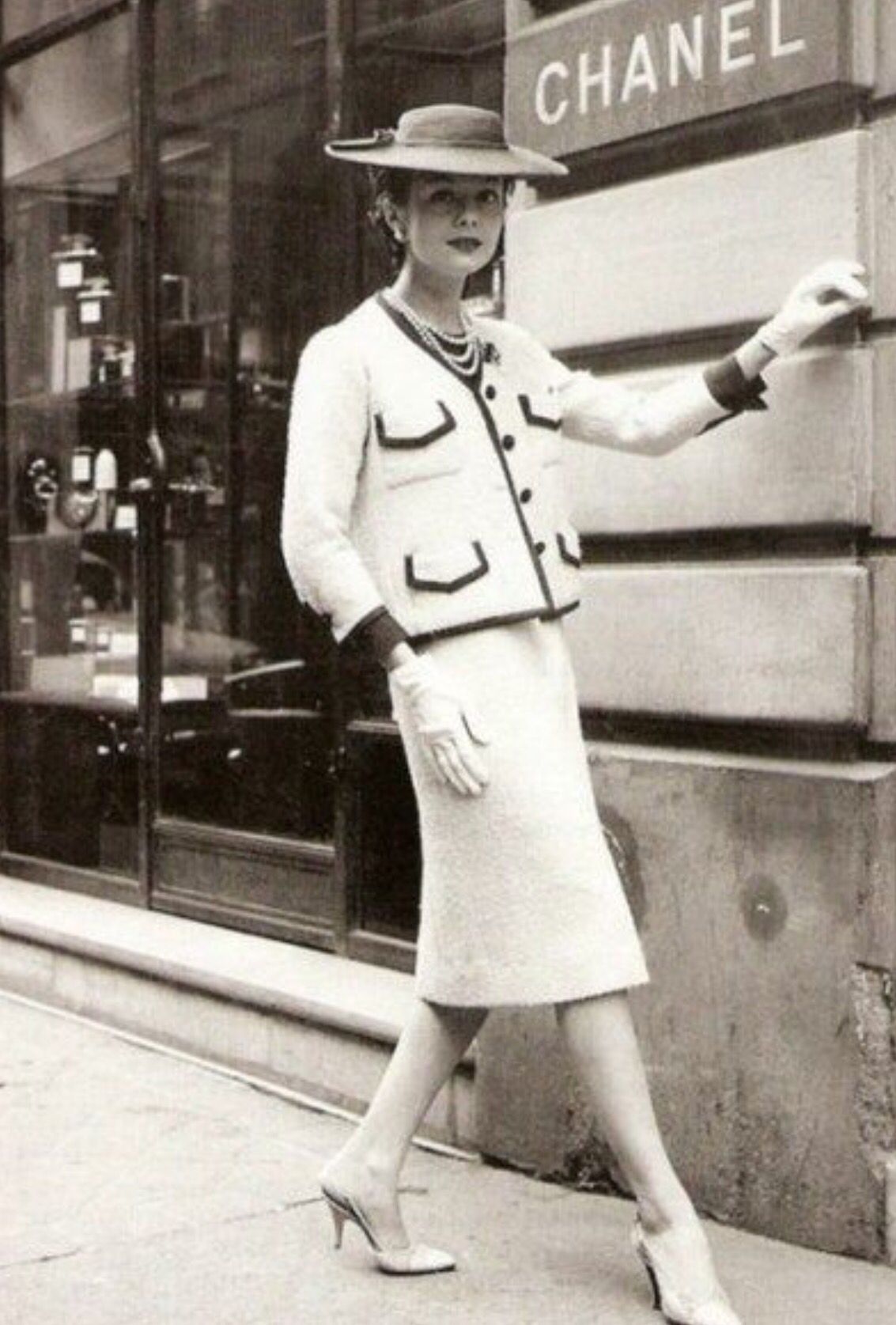
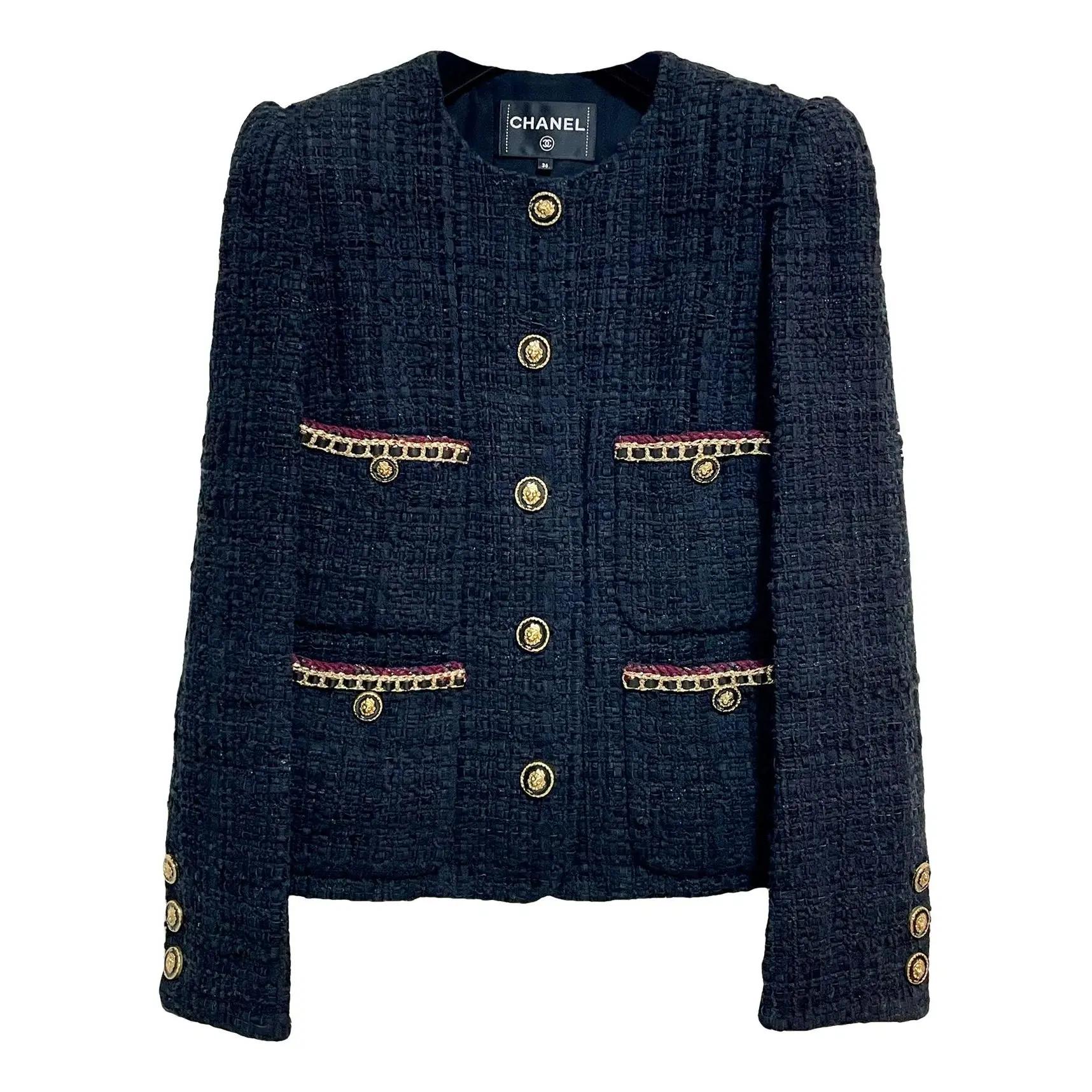
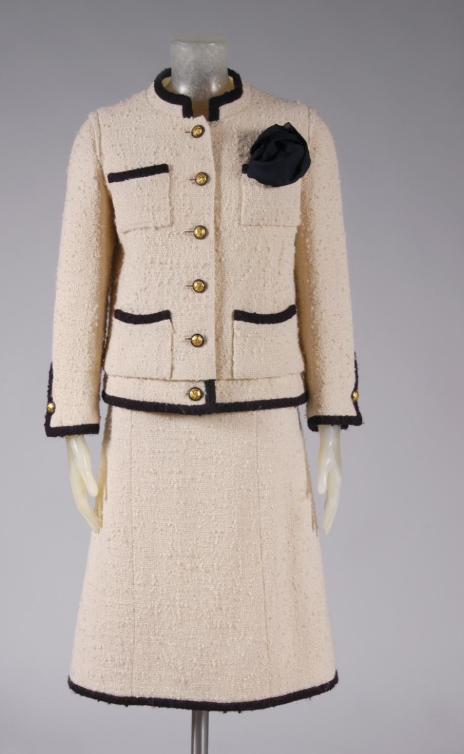
The story of the tweed jacket begins with outdoor life in Britain. In 1923, Chanel met the Duke of Westminster through her friend Vera Bate. They became lovers, and she spent time at his estates in England and Scotland, enjoying hunting, fishing, and riding.
There, she encountered men’s tweed jackets: practical clothes made from sturdy fabric for life outdoors. She drew elements from the jackets in the duke’s wardrobe into her own dress.
But she did more than put women in men’s jackets. Working with British tweed manufacturer William Linton, she developed softer, lighter fabrics for women’s skirt-and-jacket suits.
Her tweed suits, which appeared from the 1920s, adapted familiar clothing to different bodies and uses. Just as she had brought jersey into womenswear, she transformed an outdoor fabric into refined everyday dress.
Her career was not an uninterrupted success. In 1939, as war began, Chanel closed her couture business. During her long absence, new designers emerged. After the war, Christian Dior’s narrow waists and full skirts captured attention.
In February 1954, at the age of 70, Chanel presented a collection again. Competing with younger designers, she had to establish her relevance anew. Once more, she proposed clothes that allowed comfortable movement rather than constricting the body.
Her return was not immediately welcomed. The first collection received a cool response, but she continued refining the proportions and fit of her jackets and suits. The tweed suit eventually won over a new generation of customers and helped bring a second flourishing of her career.
The texture of tweed. A simple, collarless neckline. Braid along the edges. Pockets, buttons, and a soft silhouette.
It looks simple. But the better the jacket, the less simple the work behind that appearance.
It requires an understanding of the fabric and the body’s movement. The shoulders, sleeves, length, and overall balance must work together before a jacket falls naturally.
Chanel’s tweed jacket brought beauty and comfort together.
THE PERFUME · CHANEL N°5
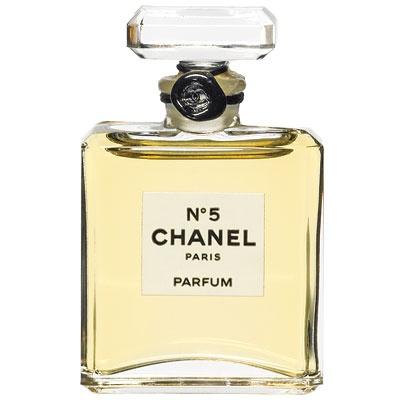
Having established her name through clothing, Chanel wanted to express her style through scent. N°5, created with perfumer Ernest Beaux in 1921, marked that beginning.
Of the samples Beaux presented, she chose the fifth and kept its number as the name. Rather than reproducing a single flower, the fragrance brought different ingredients together into a unified impression.
The choice of a number and a restrained bottle, rather than an elaborate name and ornate packaging, echoed her approach to clothing. N°5 introduced CHANEL to people who might never buy its clothes.
A simple rectangular bottle and a white label. Instantly recognizable without elaborate decoration.
N°5 helped extend Chanel’s name beyond clothing into a way of life. A house known for what women wore became known for a scent they remembered.
THE FLAP BAG · CHANEL 2.55
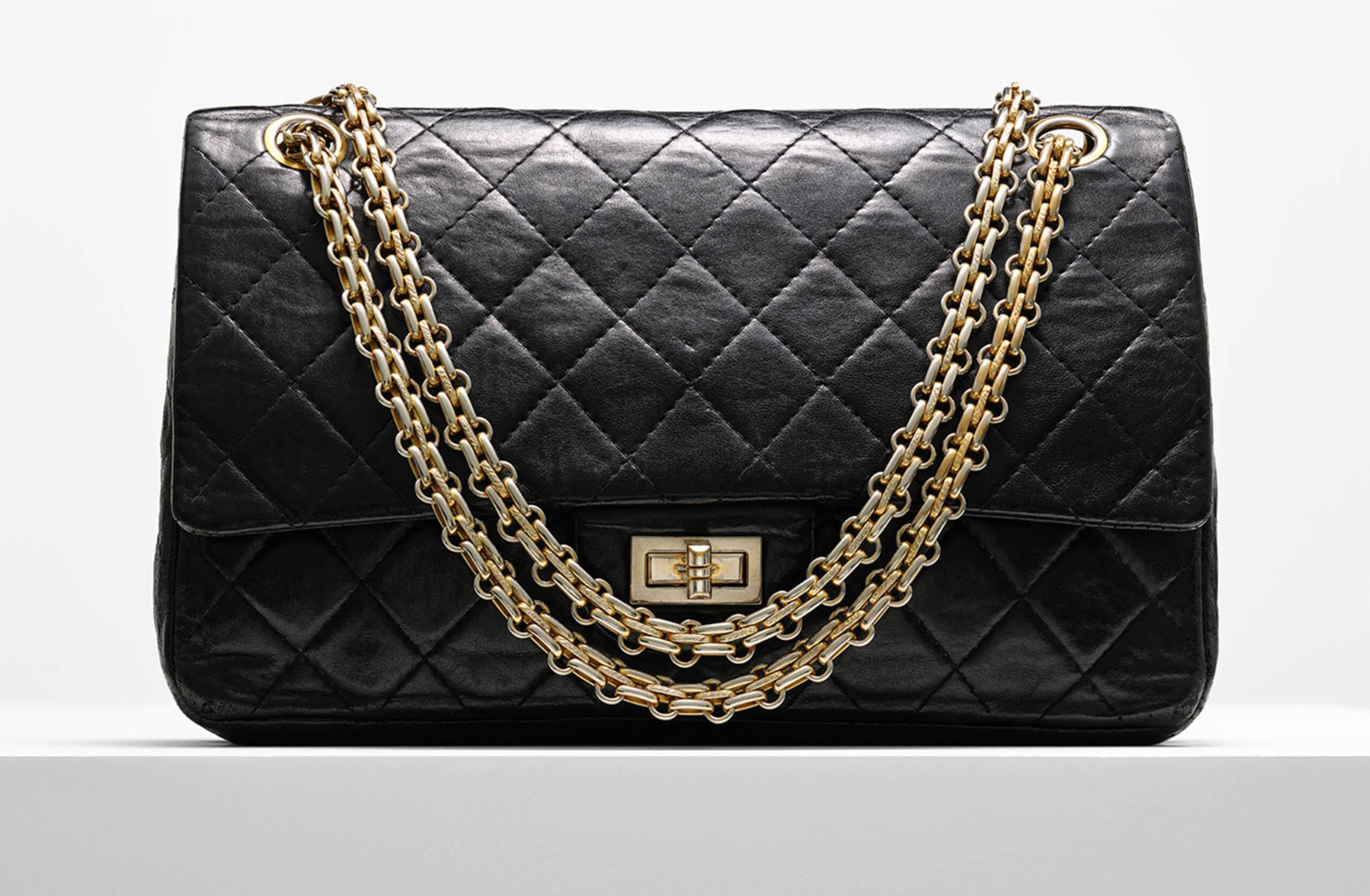
After her return, Chanel reconsidered not only clothes but also the objects women used in daily life. Introduced in February 1955, the 2.55 bag emerged from that approach. Its name refers to the month and year of its launch.
A flap, quilting, and a chain strap. Familiar today, this combination reflected a considered approach to carrying and using a bag. A shoulder strap and multiple compartments brought decoration and function together.
Beauty was only part of the idea. The bag could rest on the shoulder rather than being held in the hand.
Women’s hands were free.
This idea recurs throughout Chanel’s designs: beauty and practicality belong together.
THE CHANEL CODES
Pearls · Camellia · Chains · Black & White · Two-Tone Shoes
Reducing decoration did not mean abandoning jewelry. Chanel developed a style of layering necklaces over simple clothes and mixing fine jewelry with costume pieces.
Imitation pearls played a particular role. What mattered was the effect they created with the clothes, rather than the cost of the materials. The contrast between simple black clothing and abundant pearls appeared repeatedly in her own wardrobe.
Pearls, camellias, chains, black and white. Repeated across collections, these elements became a visual language that made CHANEL recognizable.
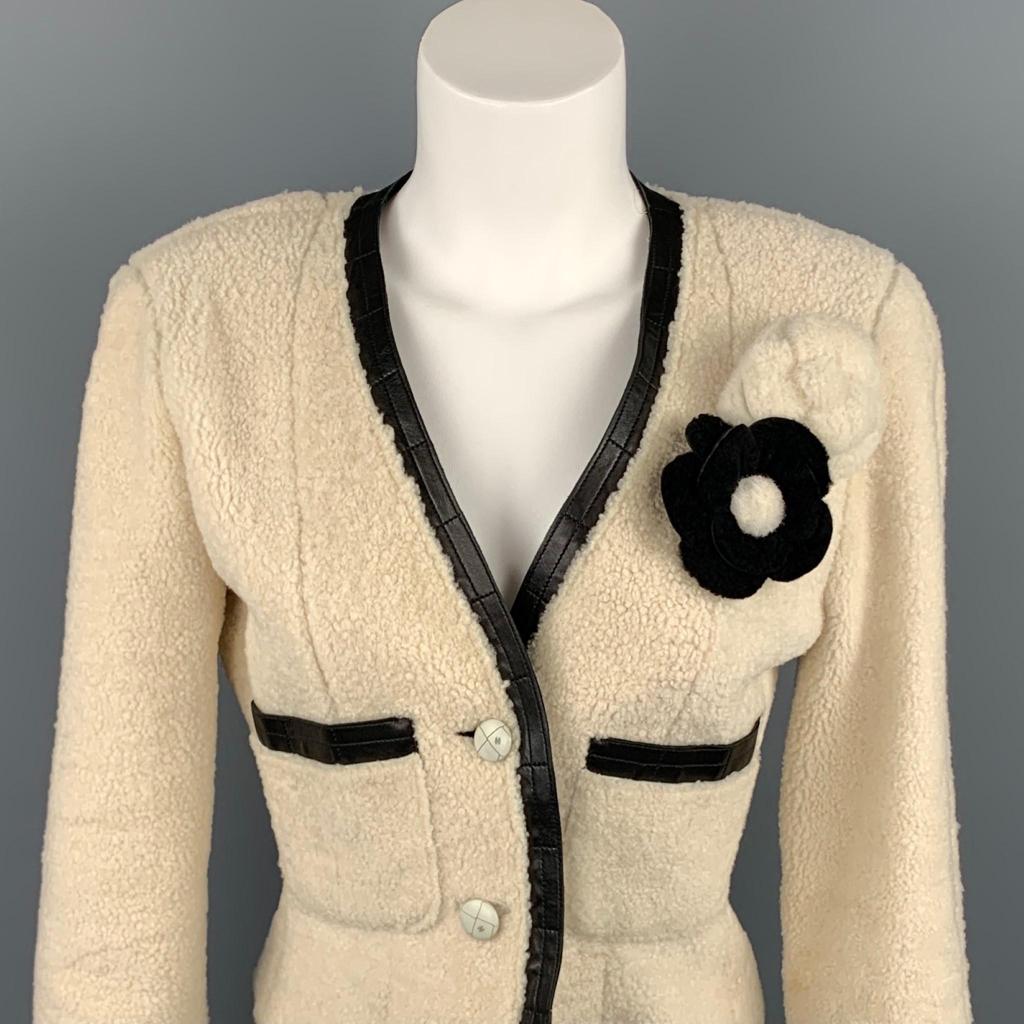
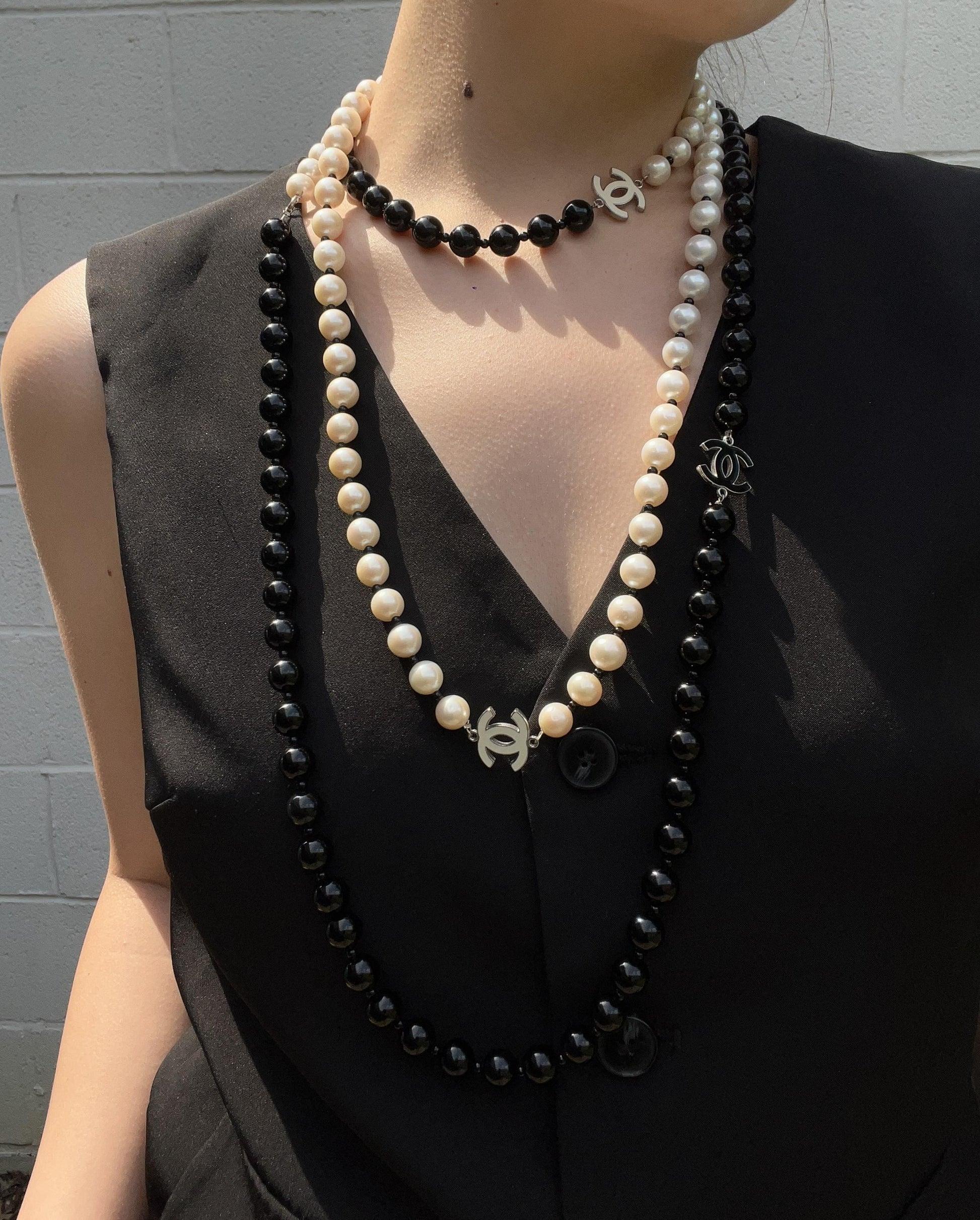
None of these elements belongs exclusively to Chanel. Together, however, they suggest the house even without a logo.
The two-tone shoes introduced in 1957 also had a purpose behind their design. Beige made the legs appear longer, while the black toe made the feet appear smaller.
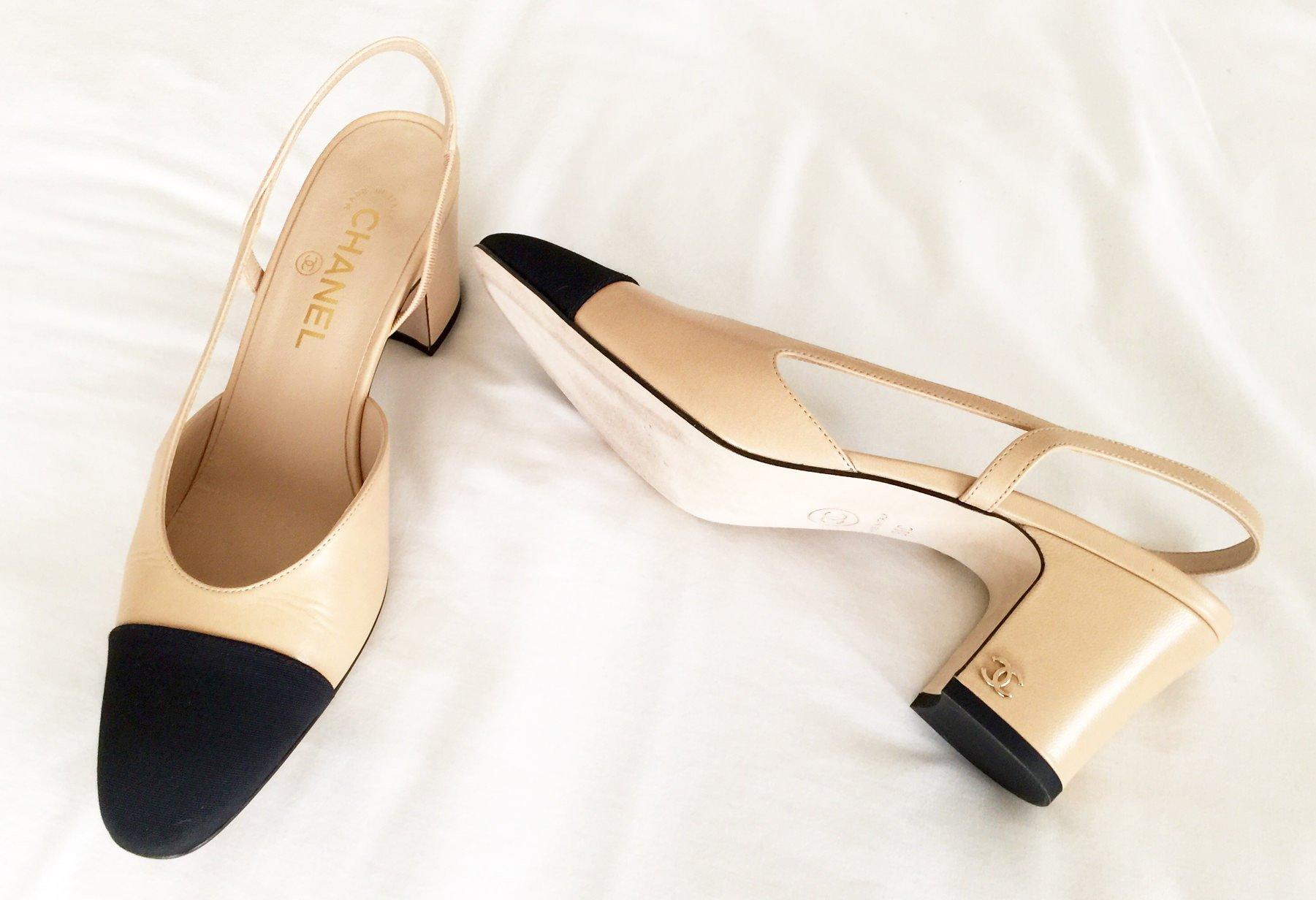
Even the smallest details were part of the design.
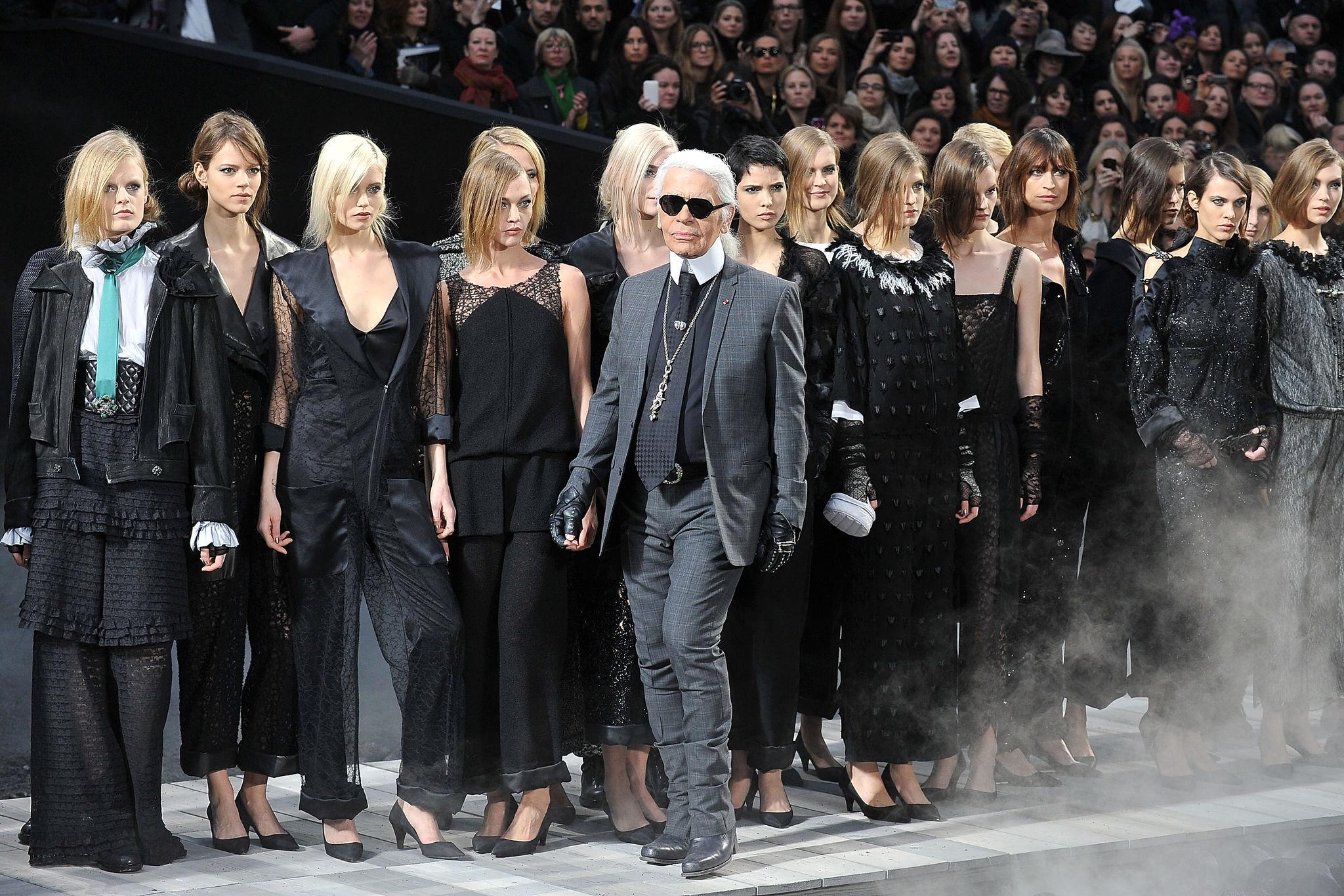
KARL LAGERFELD
Gabrielle Chanel died in 1971. The fashion house she had led for so long faced the question of its future direction. Simply repeating the founder’s clothes would not be enough to reach customers in a new era.
In 1983, Karl Lagerfeld joined CHANEL as artistic director. He treated its inherited designs as material for new collections, rather than finished creations belonging only to the past.
Karl Lagerfeld kept Chanel’s symbols: tweed, pearls, chains, camellias, black and white.
He revisited those familiar elements with the sensibility of a new era—sometimes exaggerating them, sometimes making them youthful, and sometimes turning them playfully upside down.
Chanel’s established symbols continued to evolve. They became Chanel for a new generation.
CHANEL TODAY
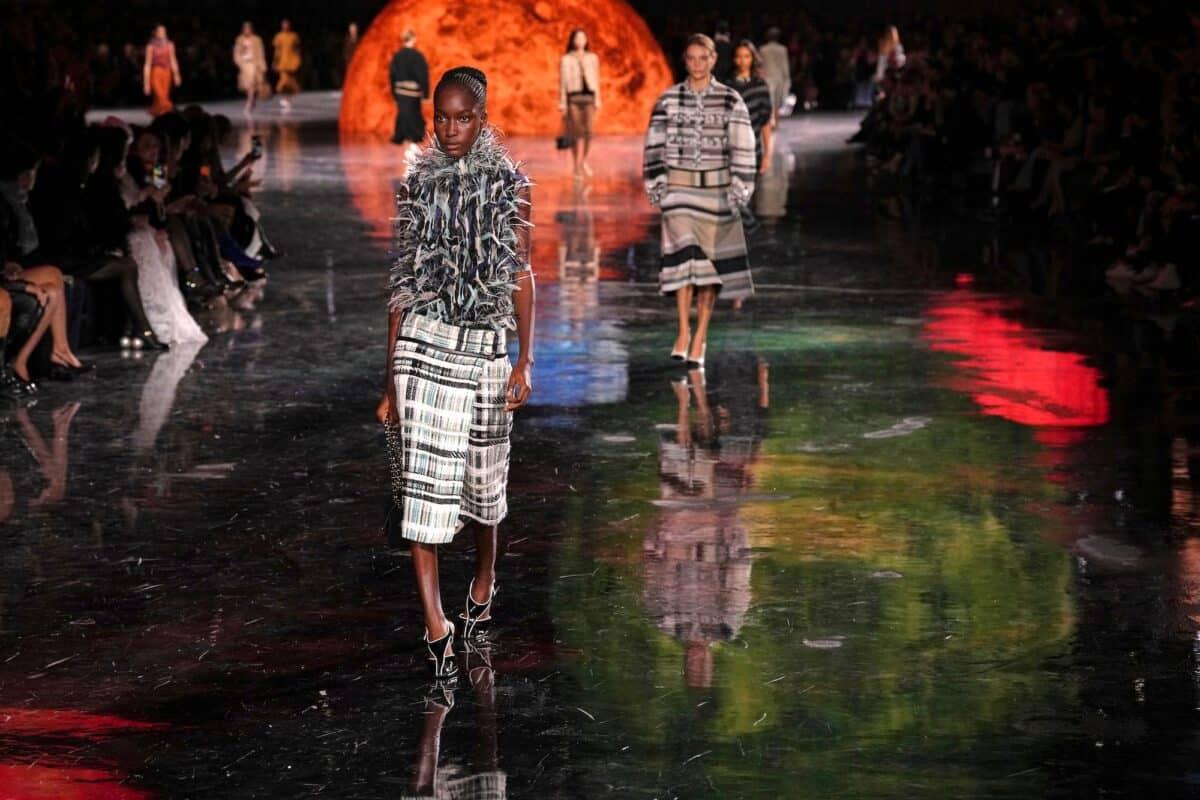
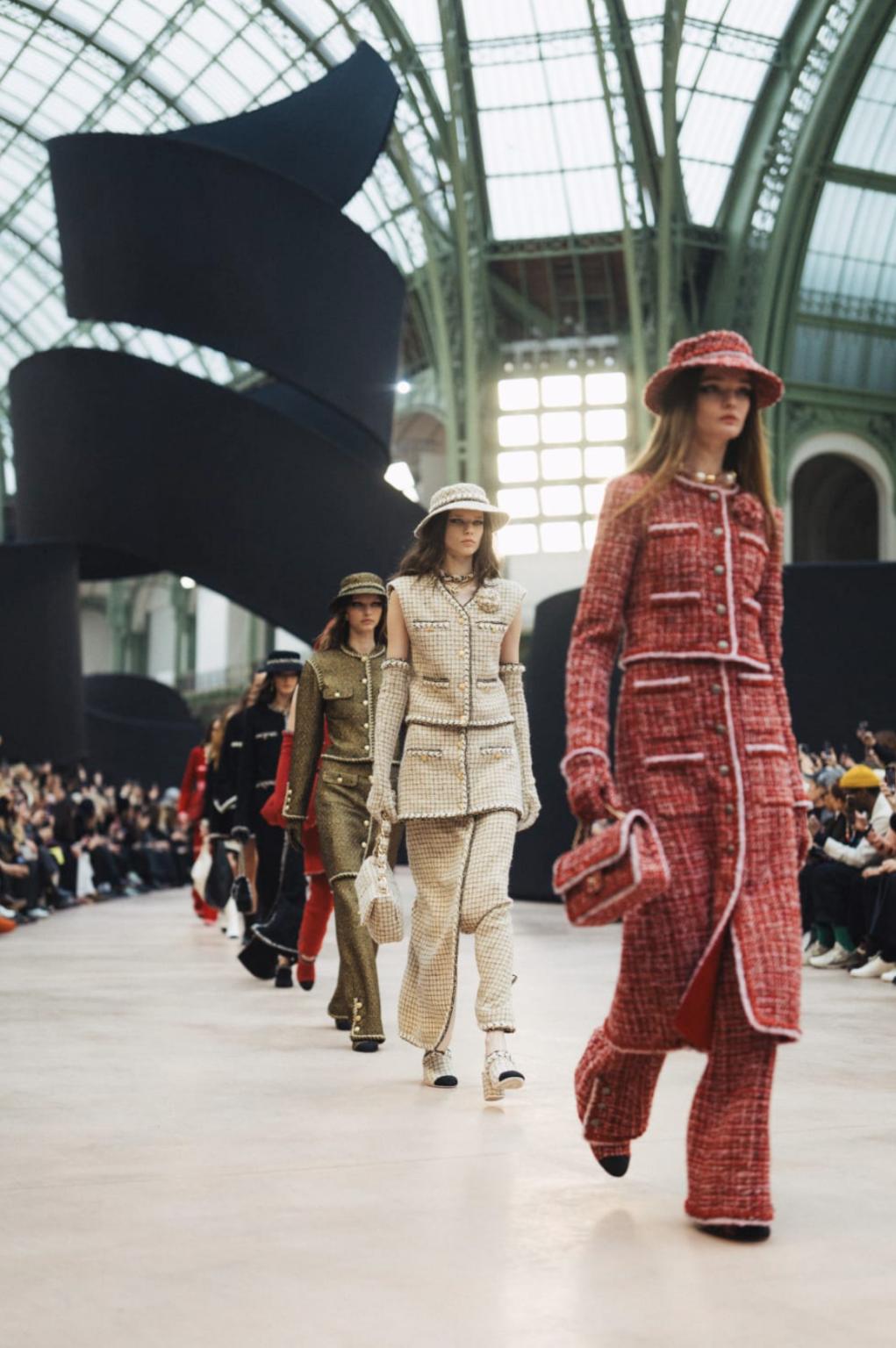
CHANEL today reflects both its founder’s designs and their reinterpretation across successive eras. Tweed changes through color, length, and proportion; a quilted bag takes on a different character through size and material.
It began with a hat shop. Clothing, perfume, bags, and jewelry followed. Recurring design elements and a consistent sensibility connected these different objects within one house.
Yet some pieces endure as time passes.
The tweed jacket, the little black dress, the quilted bag. Pieces that moved beyond the fashions of one era to become a style of their own.
CHANEL stands at the heart of that story.