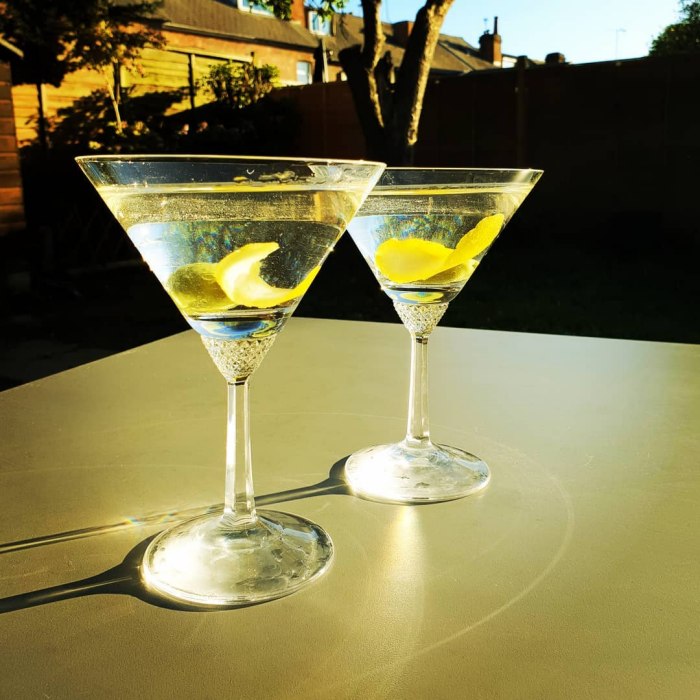
Dry Martini
Clean and dry, with gin’s botanical aromas
Ingredients
60 ml gin · 10 ml dry vermouth
Method
Stir with ice in a mixing glass, then strain into a chilled cocktail glass. Finish with lemon peel oil or an olive.
Balance and Time in a Glass
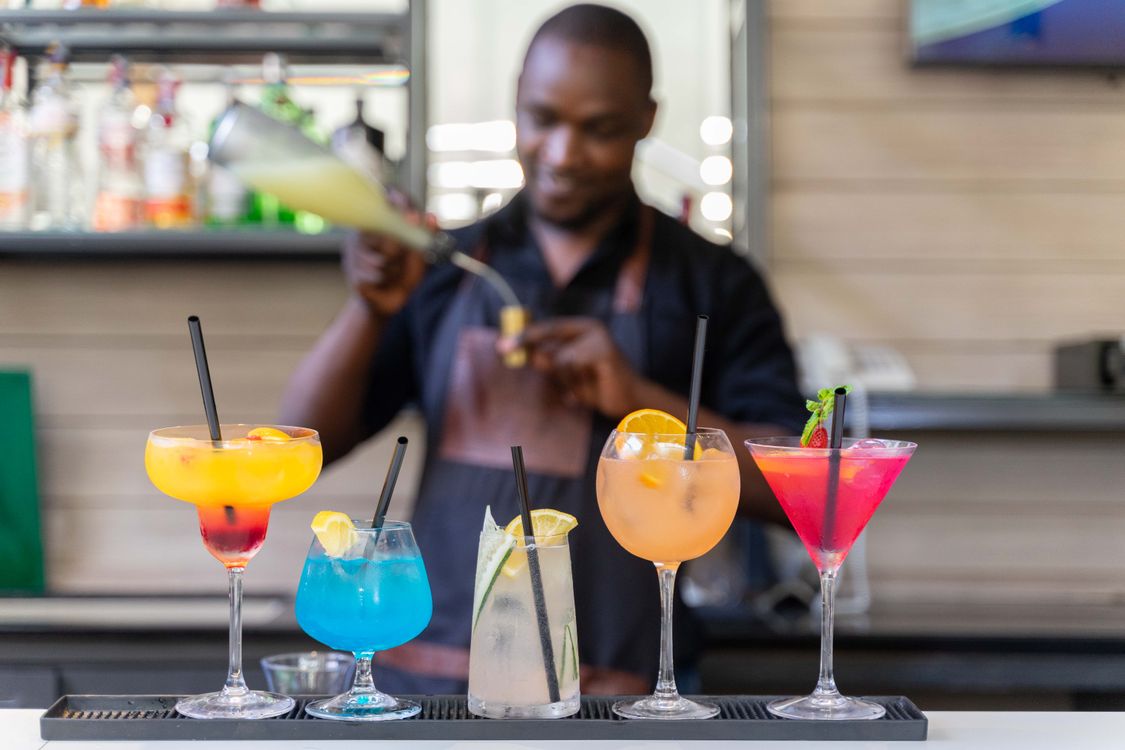
A cocktail combines spirits with other ingredients, but a good drink involves more than adding flavors together. It means choosing a base spirit, balancing sweetness and acidity, and deciding how much to chill and dilute the mixture with ice.
Even the same ingredients can produce a very different drink when the proportions, temperature, or mixing technique change.
There are several theories about the origin of the word cocktail. An early definition published in an American newspaper in 1806 described a drink made with spirits, sugar, water, and bitters.
Simple as it sounds beside today’s colorful creations, it contains principles that still matter: a base spirit, sweetness to adjust the flavor, bitters for aroma and bitterness, and water added as ice melts.
The base spirit sets the direction of a drink. Gin brings juniper and other botanical aromas. Rum, made from sugarcane, ranges from light and bright to rich and full flavored. Whiskey adds the character of grain and barrel aging, while tequila expresses the distinctive flavor of agave.
Vodka offers a relatively neutral foundation that lets other ingredients take the lead.
Spirits in the same category do not all taste alike. A gin’s botanicals, a rum’s age, a whiskey’s grain blend, and a tequila’s production and aging methods all affect the result. When choosing a recipe, consider the spirit’s aroma and texture as well as its name.
Sweetness and acidity are only part of a cocktail’s flavor. Alcohol, fruit and herb aromas, bitters, carbonation, and water from melting ice all interact. When one element is strong, another can soften its edges or make the central flavor clearer.
Lemon or lime juice, for example, creates a bright contrast with syrup, while a few drops of bitters can give a sweet or heavy drink more depth. More ingredients do not always make a better cocktail.
Understanding each ingredient’s purpose can reveal when leaving something out will better preserve the base spirit’s character.
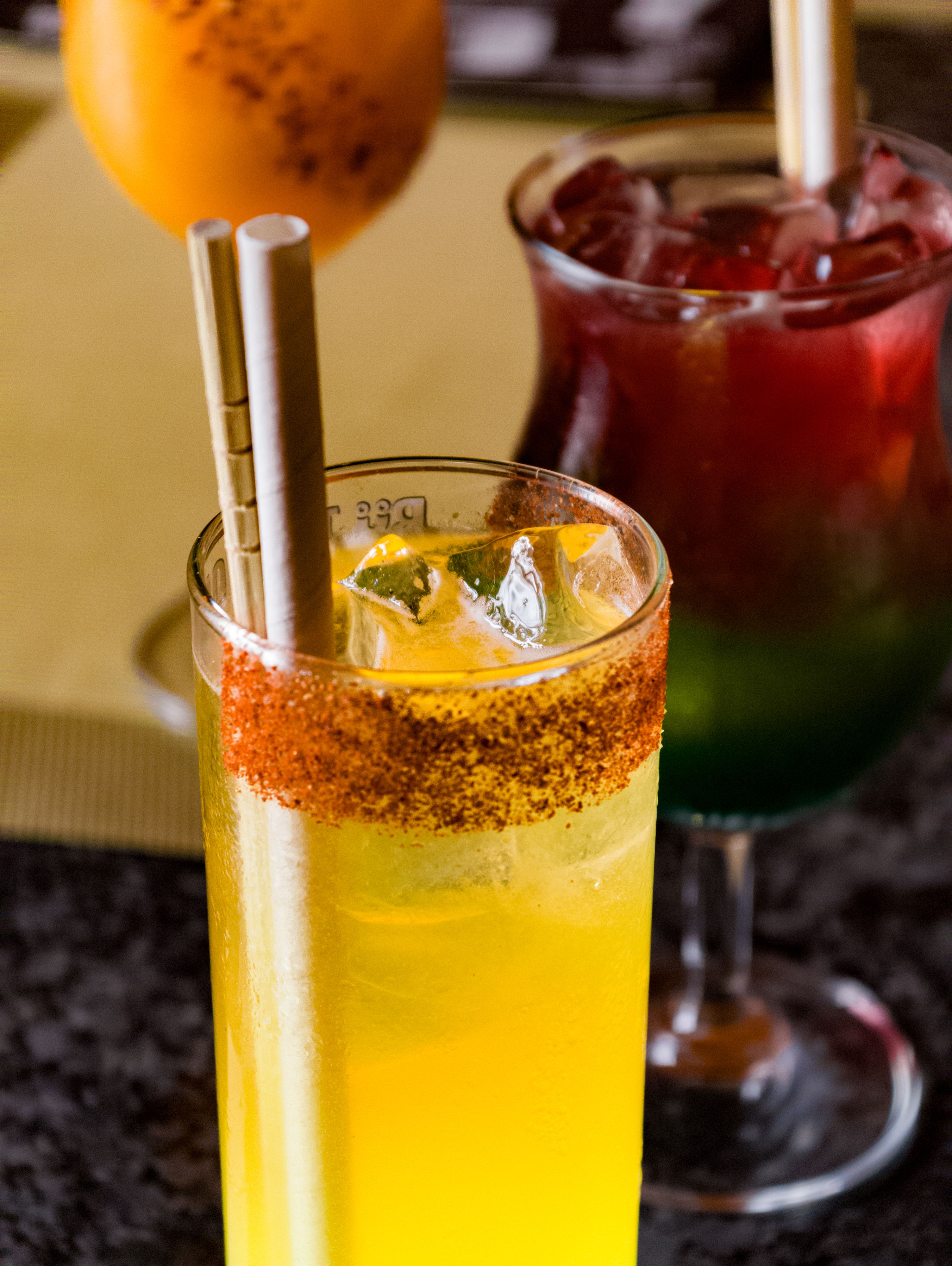
Shaking means vigorously mixing ingredients with ice in a cocktail shaker. It quickly combines ingredients such as citrus juice and syrup, chills the drink, and adds a little air. It is often used for cocktails containing juice, including the Margarita.
Stirring gently mixes ingredients with ice in a mixing glass. It suits clear cocktails that highlight the spirit, such as a Martini or Manhattan. It chills and dilutes the mixture while preserving a clearer, smoother texture than shaking.
Building means assembling the drink directly in the serving glass. It works well for highballs, where carbonation matters, and drinks finished simply in front of the guest. When using mint or other herbs, press them gently to release their aroma. Crushing the leaves too hard can bring out grassy or bitter flavors.
Ice chills a drink and adds water as it melts. Dilution is an essential part of making a cocktail: it softens the sharpness of alcohol and helps sweetness and aroma come into balance. The key is matching the amount and rate of dilution to the drink.
Ice used for mixing and ice used for serving can have different jobs. For the same total amount of ice, larger pieces generally expose less surface area and melt more slowly, while crushed ice chills and dilutes a drink faster.
Freezer odors or wet ice can also affect flavor and concentration. Clean, solid ice matters before its shape does.
A Martini combines gin or vodka with dry vermouth, revealing subtle differences in aroma and proportion. An Old Fashioned keeps whiskey at the center with sugar and bitters.
A Margarita brings together tequila, orange liqueur, and lime for a bright, crisp flavor. A Mojito adds mint, lime, sugar, and soda water to rum for freshness.
A Negroni balances gin, sweet vermouth, and a bitter liqueur in a rich, bittersweet drink.
Comparing these classics teaches more than memorizing recipes. Some emphasize the base spirit; others feel lighter through acidity and fresh aromas; still others layer bitterness and sweetness for a lingering finish.
Even cocktails with the same name can taste different depending on the spirits, proportions, ice, and technique.

Clean and dry, with gin’s botanical aromas
Ingredients
60 ml gin · 10 ml dry vermouth
Method
Stir with ice in a mixing glass, then strain into a chilled cocktail glass. Finish with lemon peel oil or an olive.
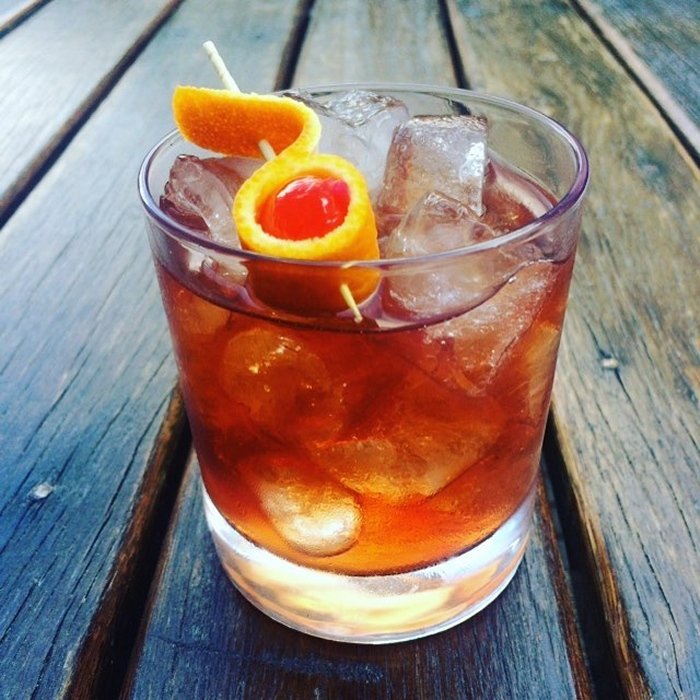
Whiskey character with a gentle sweetness
Ingredients
45 ml bourbon or rye whiskey · 1 sugar cube · A few dashes of Angostura bitters · A splash of water
Method
Dissolve the sugar with bitters and a little water in the glass. Add ice and whiskey, then stir gently. Garnish with orange peel or a slice of orange.
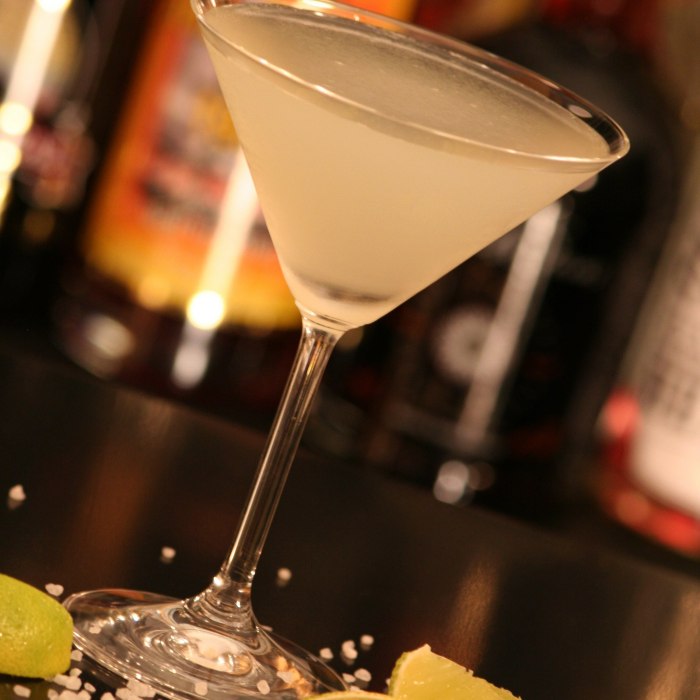
Bright lime acidity and distinctive tequila flavor
Ingredients
50 ml 100% agave tequila · 20 ml triple sec · 15 ml fresh lime juice
Method
Shake with ice and strain into a chilled glass. If desired, salt half the rim.
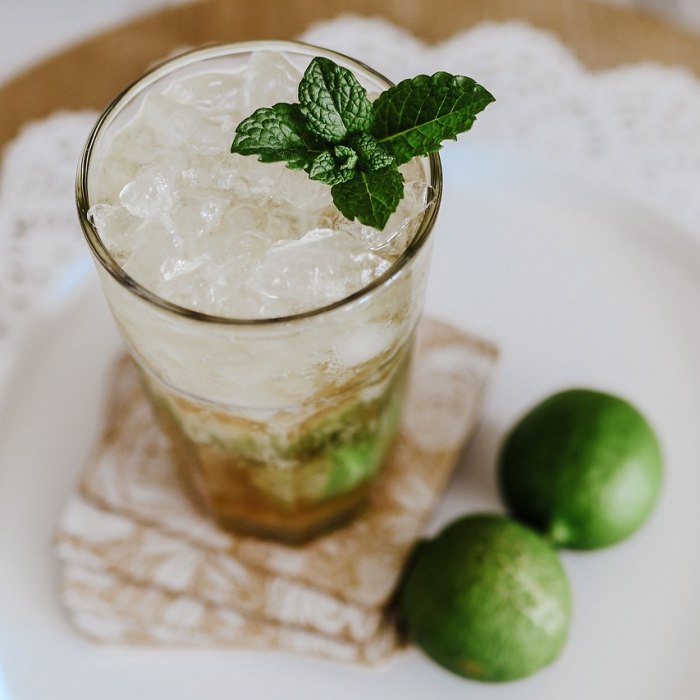
Fresh mint aroma and a refreshing finish
Ingredients
45 ml white rum · 20 ml lime juice · 6 mint sprigs · 2 teaspoons sugar · Soda water
Method
Gently mix the mint, sugar, and lime juice in the glass and add a splash of soda water. Fill with ice, add the rum, then top with soda water and stir gently.
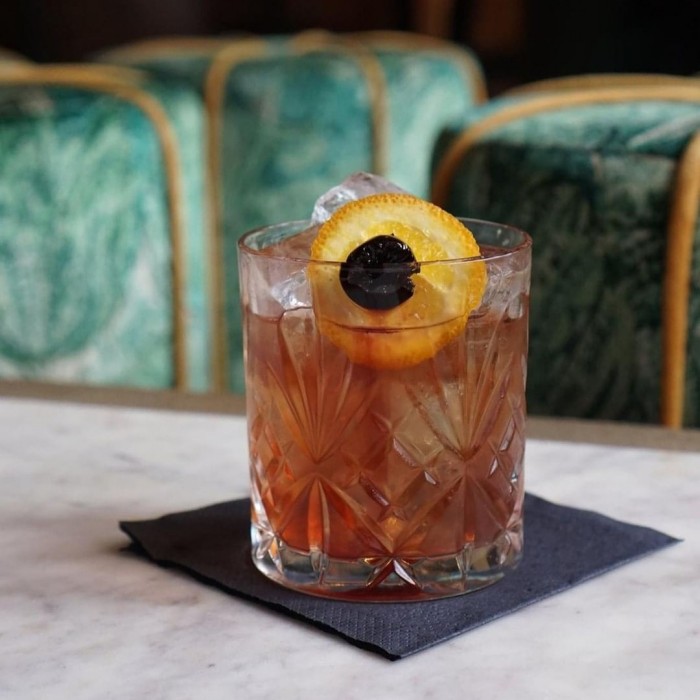
Bitterness and sweetness with a lingering finish
Ingredients
30 ml gin · 30 ml Campari · 30 ml sweet red vermouth
Method
Add all three ingredients to a chilled glass filled with ice and stir gently. Garnish with an orange slice.
Classic proportions follow International Bartenders Association (IBA) recipes. Details may vary with the spirits used and personal preference.
Glass shape affects a cocktail’s presentation and how you smell and sip it. A chilled glass helps keep drinks served without ice cold, while a roomy glass suits drinks enjoyed slowly over ice. There is no absolute rule for every glass shape, but considering temperature, ice, and aroma helps bring the drink together.
Lemon and orange peel release fragrant oils over the drink, while mint adds a fresh herbal aroma before the first sip. A garnish does more than decorate a photograph: it influences the aroma and first impression. It works best when it complements the flavor and leaves the drink easy to enjoy.

A good recommendation begins with questions: Which spirits do you enjoy? Do you prefer sweetness or acidity? Are you comfortable with bitterness? Would you like something light or a drink that highlights the spirit? Requests such as “not too sweet,” “refreshing,” or “not too strong” give a bartender useful clues.
Knowing your preferences makes it possible to adjust the same basic combination in different ways. Less syrup can bring the spirit forward; slightly less acidity can make the drink softer.
Soda water can lighten it, while herbs or citrus add a fresh aroma. A precise recipe is the starting point. The next step is adapting it to your taste while preserving its balance.
Start by measuring your ingredients. Pouring by eye may work once, but it makes the next drink harder to reproduce. Begin with the recipe’s proportions, taste, then adjust sweetness or acidity a little at a time. Fresh citrus juice, clean ice, and a chilled glass can make a noticeable difference.
A stronger cocktail is not necessarily a better one, and more decoration does not guarantee a better drink. What matters is that the ingredients have clear roles and the person drinking it can enjoy it comfortably.
Understanding classic combinations also makes new cocktails easier to appreciate. Notice the base spirit, consider the balance, and explore what suits your taste.
An alcohol-free cocktail can offer much more than sweetness. Fruit acidity, tea or herb aromas, carbonation, and dilution from ice can create a drink with depth. As with classic cocktails, the goal is to understand what each ingredient contributes.
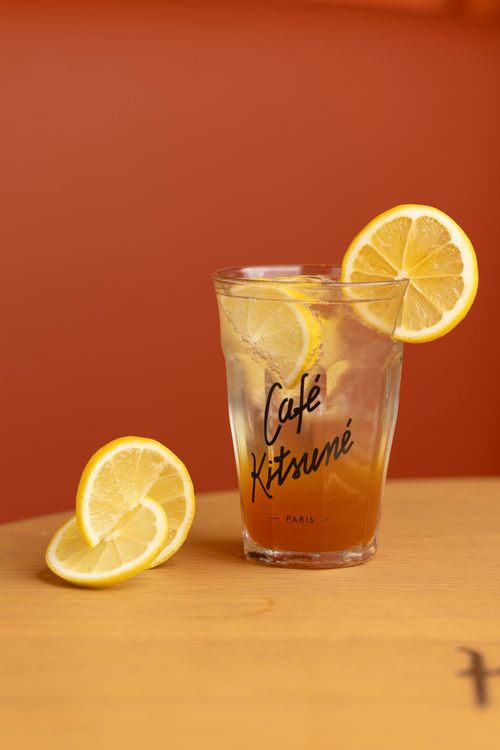
Gentle tea tannins, bright citrus, and refreshing bubbles
Ingredients
60 ml strong black tea, chilled · 30 ml orange juice · 15 ml fresh lemon juice · 10 ml simple syrup · 90 ml soda water · Ice
Method
Fill a glass with ice. Add the tea, orange juice, lemon juice, and syrup, then stir. Pour in the soda water, stir gently once, and garnish with orange peel. Adjust sweetness with syrup and acidity with lemon juice, a little at a time.
Cocktails vary in strength and serving size, so a glass’s shape or a sweet taste does not reliably indicate alcohol content. Sip slowly and have water alongside your drink to better appreciate how the flavors change.
Choose an alcohol-free drink if you plan to drive, and arrange a safe way home in advance. A bartender’s role also includes helping people enjoy drinks at their own pace and according to their preferences.
Color and decoration may catch the eye first, but balance is what makes a drink memorable. Notice whether you are drawn to sweetness, freshness, or bitterness. The more clearly you understand your preferences, the easier it becomes to find a cocktail you enjoy.