Wine
From Grape to Glass
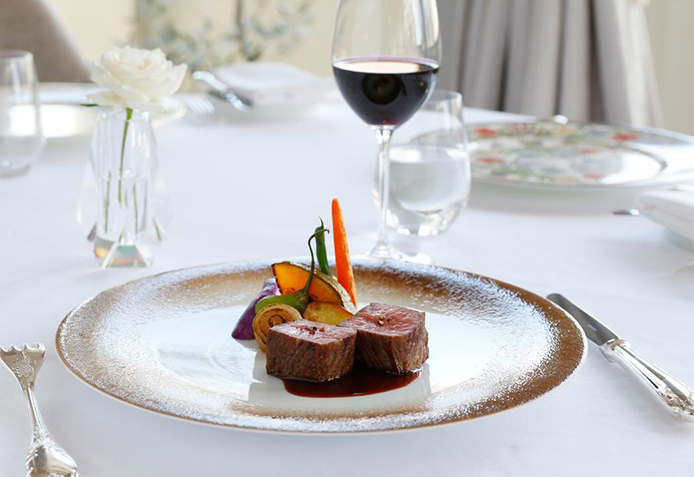
Even wines made from the same grape variety can taste different. Climate, soil, harvest timing, fermentation, and aging vessels all shape the aromas and texture in your glass. A good place to begin understanding wine is with the grapes and the way it is made, rather than the name on an expensive bottle.
What Determines a Wine’s Color?
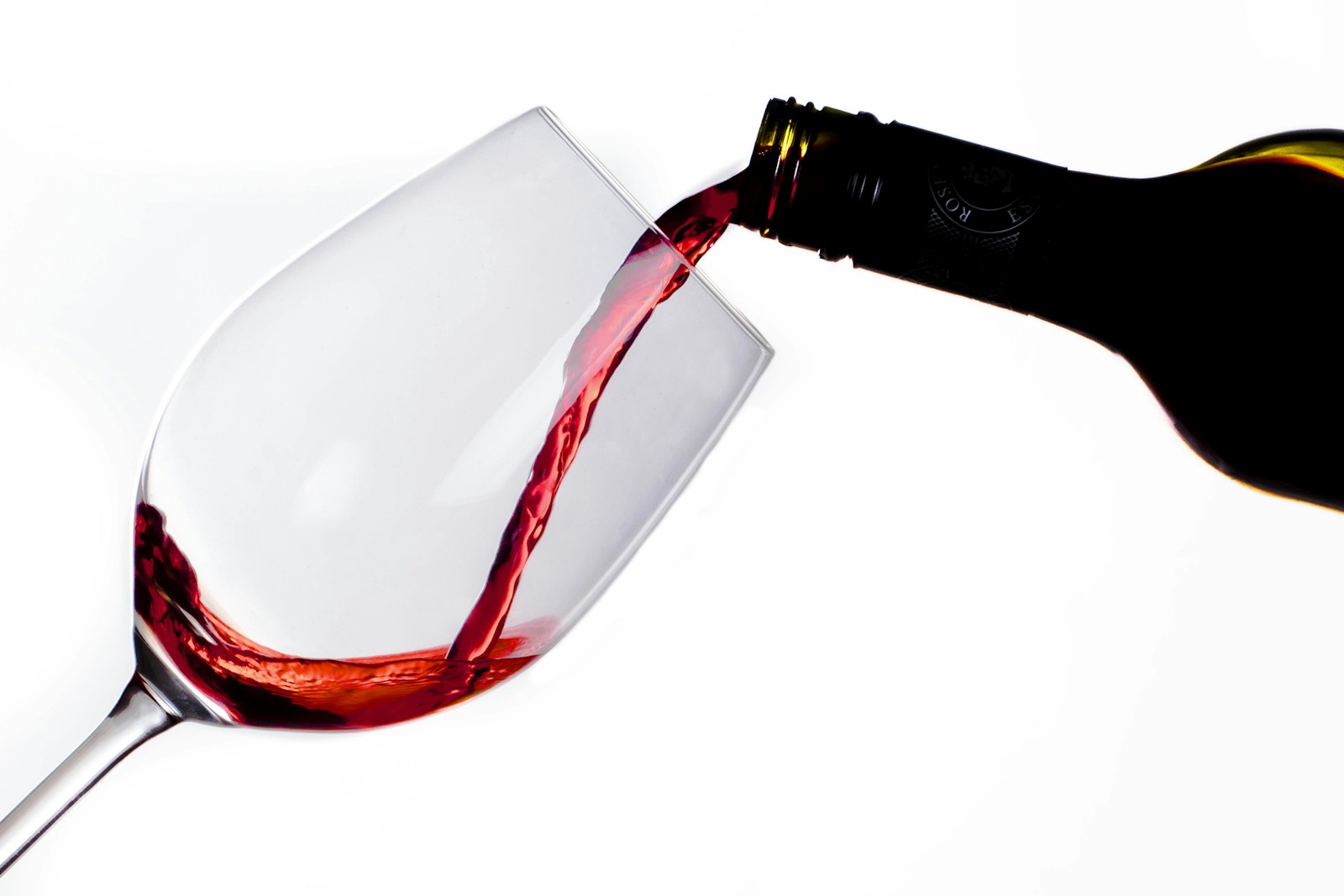
Red wine is usually made by fermenting dark-skinned grapes with their skins. The skins release pigments and tannins, giving the wine its red color and the drying sensation you may feel in your mouth. Styles range from light and fresh to full-bodied and concentrated.
White wine is generally made by pressing the grapes, separating the skins, and fermenting the juice. White grapes are the most common choice, but dark-skinned grapes can also produce white wine if the juice is separated before it takes on much color.
Many white wines have bright acidity, while different aging methods can give them a softer, richer texture.
Rosé wine usually gets its pink color from brief contact with the skins of dark-skinned grapes. The grape variety and length of skin contact influence the shade, from pale peach to deep pink. A pink color does not necessarily mean a wine is sweet.
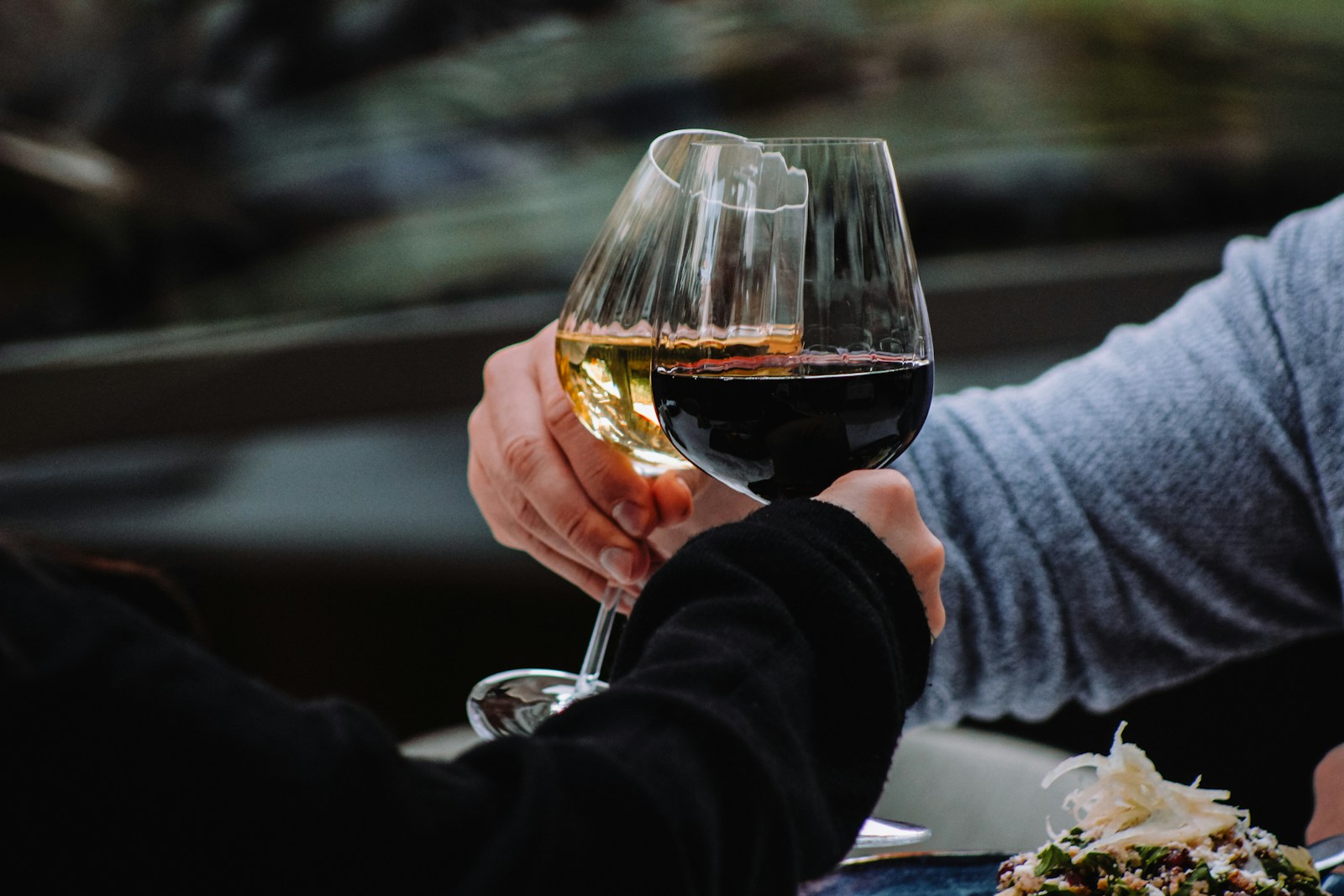
Sparkling wine contains dissolved carbon dioxide that forms bubbles when the wine is poured. Production methods include a second fermentation in the bottle or in a large tank. Champagne is sparkling wine made in France’s Champagne region according to its specific production rules.
Other styles include orange wine, made by fermenting white grape juice with the skins; fortified wine, which has a distilled spirit added during or after fermentation; and sweet wine, which retains sweetness. Orange wine takes its name from its color, not from the fruit.
The Richness of Flavor in Different Grape Varieties
The grape variety helps establish a wine’s basic character. The aromas below are common tendencies, rather than qualities that appear in every wine.
| Grape Variety | Typical Aromas and Texture |
|---|---|
| Cabernet Sauvignon | Dark fruit aromas, relatively firm tannins, and a defined structure |
| Merlot | Plum aromas and a rounded, supple texture |
| Pinot Noir | Red cherry and berry aromas with a relatively delicate body |
| Syrah / Shiraz | Dark fruit and pepper aromas with a generous texture |
| Chardonnay | Apple, citrus, or ripe fruit aromas, with a wide range of styles depending on winemaking |
| Sauvignon Blanc | Citrus and herbal aromas with bright acidity |
| Riesling | Floral and citrus aromas, high acidity, and styles ranging from dry to sweet |
Chardonnay is especially useful for exploring the influence of winemaking. Wines made in stainless steel can emphasize fruit and acidity, while oak aging and other techniques can add richness to both aroma and texture.
What Changes When the Region Changes?
The growing environment of a vineyard is often described as terroir. The term includes more than soil: it also encompasses climate, terrain, sunlight, drainage, and other conditions in the vineyard.
Cooler regions generally help grapes retain acidity, while warmer regions often allow them to ripen more fully, developing richer fruit flavors and higher sugar levels. Altitude, ocean influence, and harvest timing can all alter the outcome.
That is why a country’s name alone cannot tell you exactly how a wine will taste.
| Country | Notable Regions and Styles |
|---|---|
| France | Bordeaux is known for blends, Burgundy for Pinot Noir and Chardonnay, and Champagne for sparkling wine. |
| Italy | Tuscany produces distinctive wines centered on Sangiovese, while Piedmont is known for Nebbiolo. |
| Spain | Rioja and Ribera del Duero are known for red wines based on Tempranillo. |
| United States | Napa Valley is known for Cabernet Sauvignon, Sonoma for a wide range of varieties, and Oregon’s Willamette Valley for Pinot Noir. |
| Germany | Regions such as the Mosel and Rheingau produce Rieslings prized for their acidity and delicate aromas. |
| Australia / New Zealand | Australia’s Barossa is known for Shiraz, and New Zealand’s Marlborough for Sauvignon Blanc. |
| Chile / Argentina | Chile is known for Cabernet Sauvignon and Carménère, while Mendoza in Argentina is renowned for Malbec. |
How Regional Conditions Shape a Wine’s Flavor
A wine label may feature the name of a region more prominently than the grape variety. That name identifies where the grapes grew and offers clues to long-established growing and winemaking practices. Knowing a few key regions can make unfamiliar labels easier to read.
Bordeaux, France — Why Different Grape Varieties Are Blended
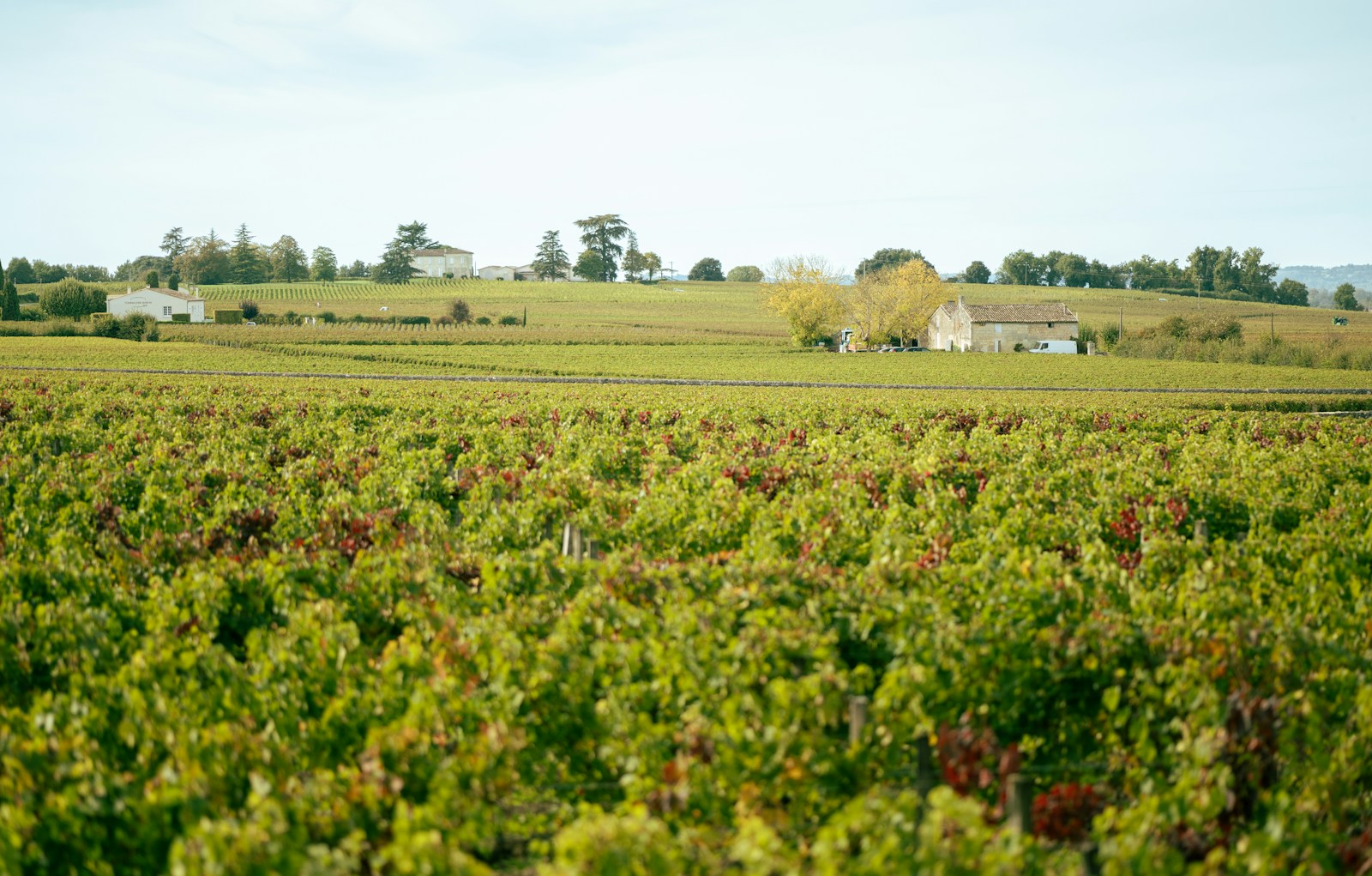
Blending is central to understanding Bordeaux. Winemakers combine the characteristics of varieties such as Merlot, Cabernet Sauvignon, and Cabernet Franc to create balance. Even when one variety takes the lead, others can complement its aromas, texture, and structure.
Bordeaux is often associated with red wine, but the region also produces dry whites, sweet whites, and rosés. A wide range of flavors exists under the same regional name.
Burgundy, France — The Differences Between Vineyards
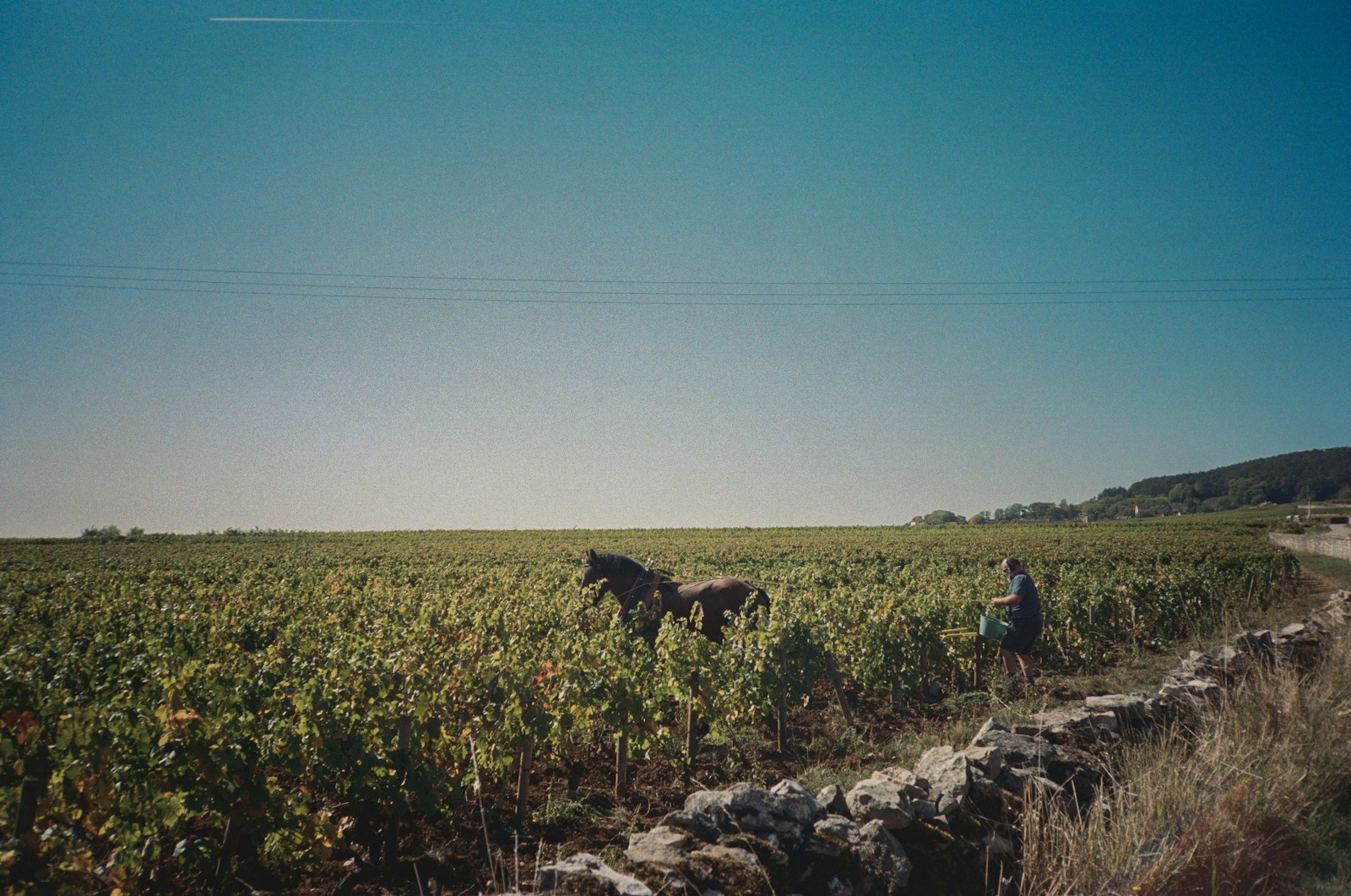
Burgundy’s best-known red wines are based on Pinot Noir, and its whites on Chardonnay. It is an ideal region for exploring how the same grape variety can express itself differently from one vineyard to another.
Here, a “climat” is a named vineyard plot with defined boundaries, rather than simply a reference to climate. These plots reflect generations of observation of differences in soil, slope, sunlight, and local growing conditions. The village and vineyard names on a label therefore carry particular significance.
Champagne, France — The Home of Champagne
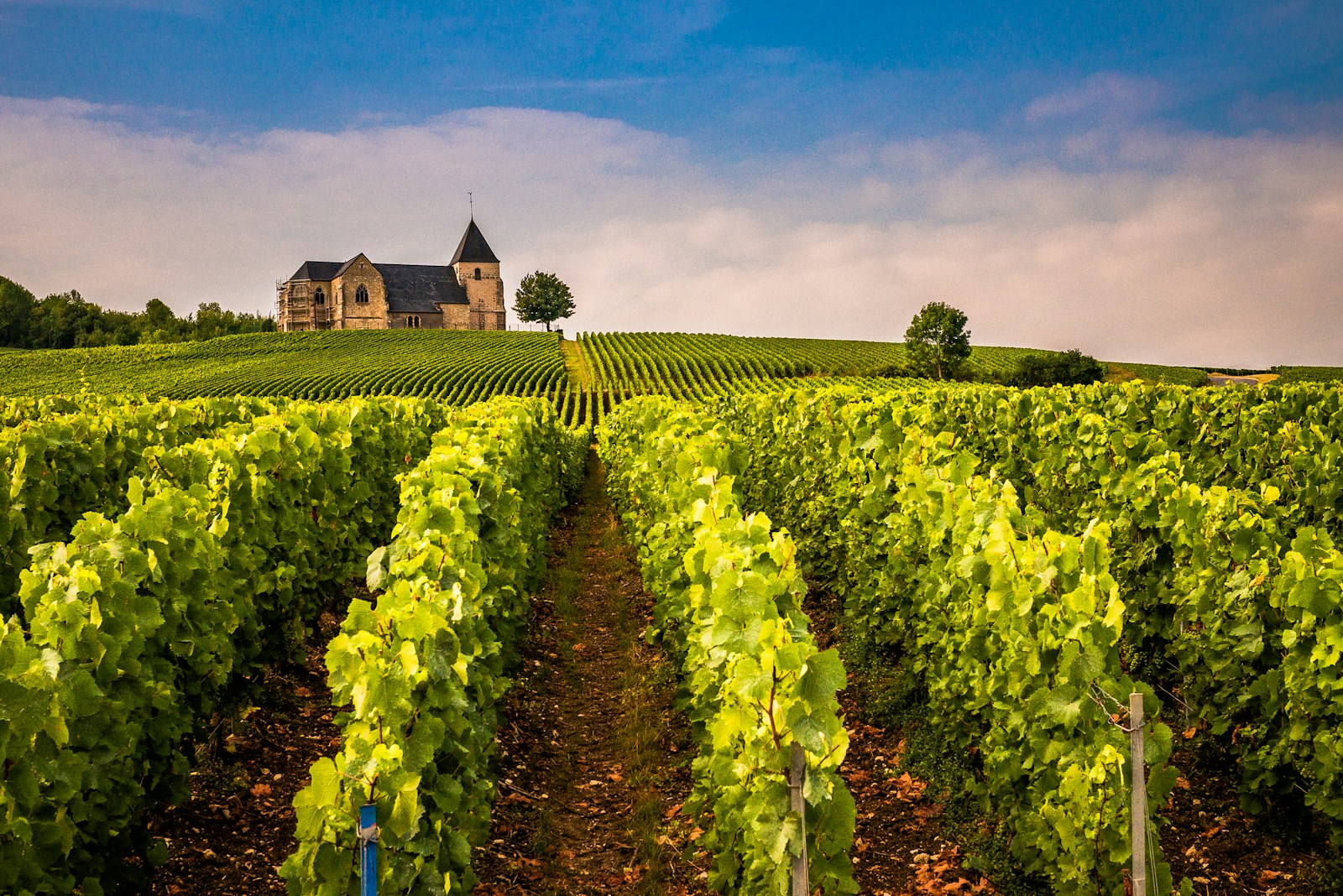
Champagne is not a generic name for sparkling wine. It refers to wine from France’s Champagne region. Chardonnay, Pinot Noir, and Meunier are its main grape varieties, with both white and dark-skinned grapes used to create different styles.
The region’s soils include chalk, marl, and hard limestone. Chalk is particularly important because of its ability to store water while allowing drainage. Beneath the bubbles lies a story of the land that is easy to overlook.
Tuscany, Italy — Sangiovese in the Landscape
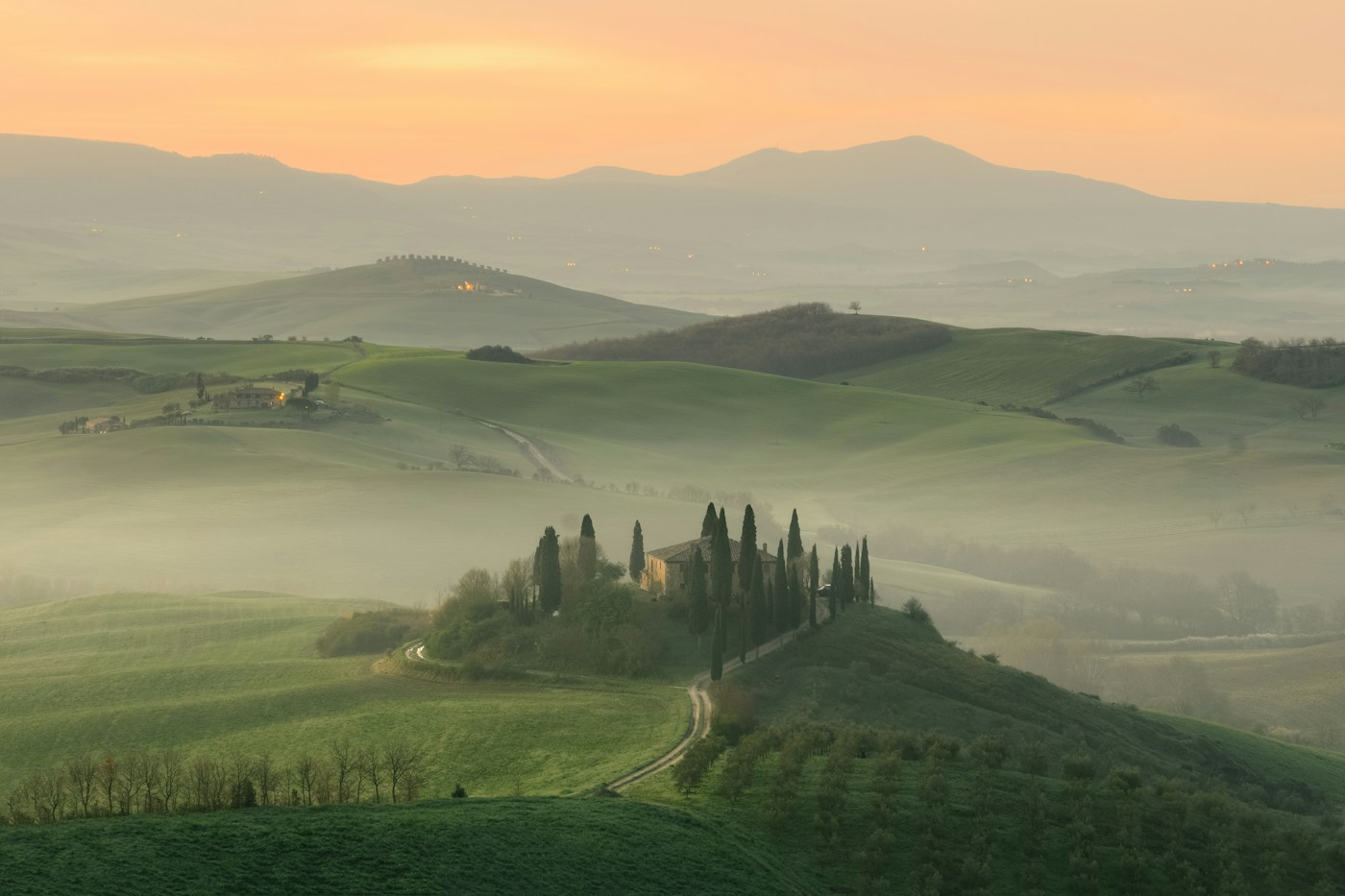
Historic wine regions stretch among Tuscany’s hills and villages. Sangiovese is a defining variety, and Chianti Classico is centered on this grape, with production rules requiring at least 80% Sangiovese.
Tuscany cannot be reduced to a single flavor. Its wines vary with location, altitude, grape variety, and winemaking. Enjoy a glass with the landscape in mind, but look at the specific appellation on the label to understand the differences more clearly.
Napa Valley, United States — Sunshine Meets Cool Air
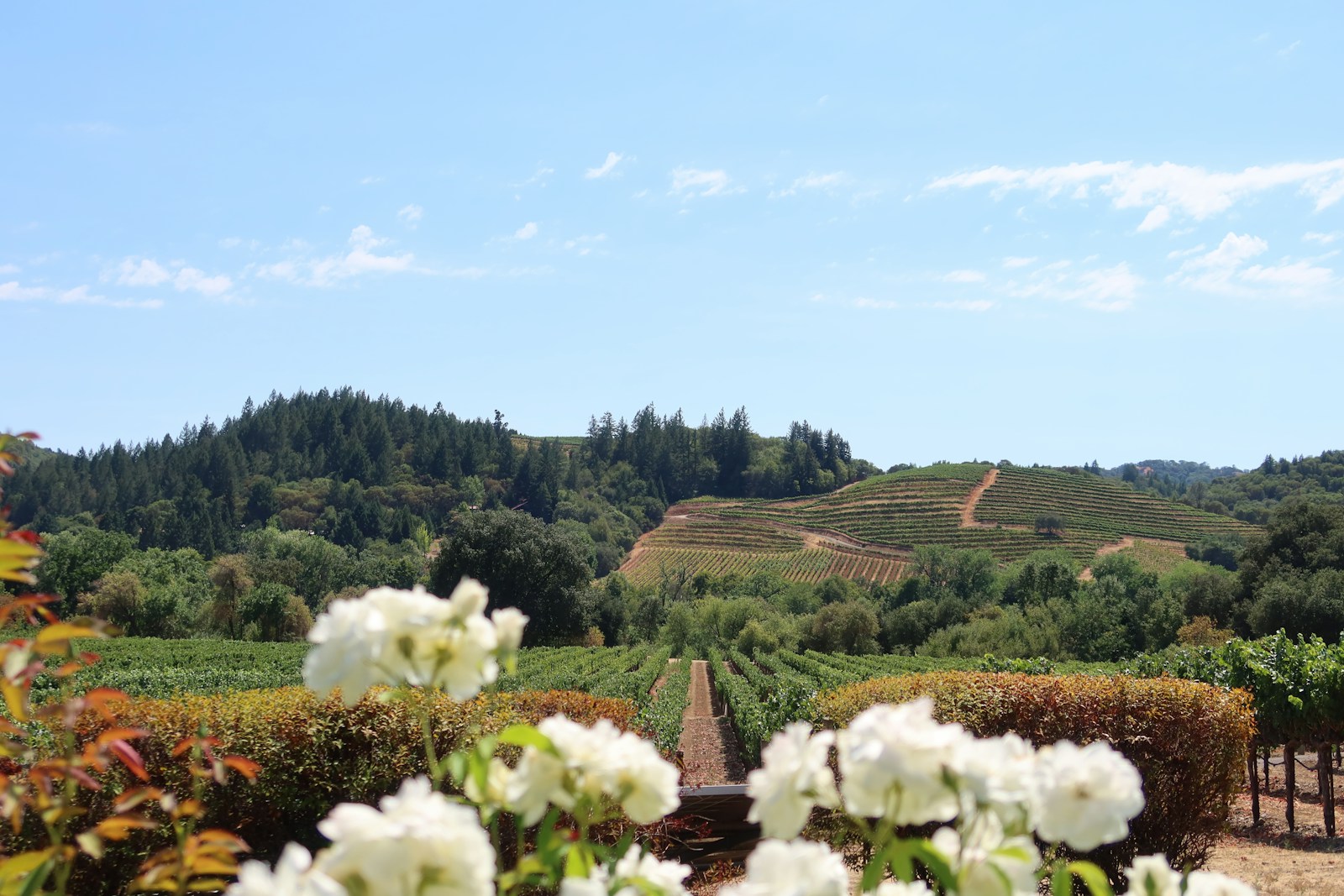
California’s Napa Valley is particularly well known for Cabernet Sauvignon. A dry Mediterranean climate and ample sunshine help grapes ripen, while cool air from the ocean and bay, together with the surrounding mountains, creates local differences in climate.
Conditions vary between the valley floor and hillsides, and between the north and south. Wines from Napa can therefore have very different personalities. Beyond their generous fruit flavors, it helps to consider the particular vineyard where the grapes were grown.
Now turn from the region to the producer. Even on the same land, winemakers may have different ideas about the wine they want to make.
Sources: Bordeaux · Bourgogne Wines · Comité Champagne · Chianti Classico · Napa Valley Vintners
Getting to Know the Wineries
If a region provides the setting for a wine, a winery reveals the choices of the people making it. Philosophies and histories differ even within Napa Valley, and Europe’s long-established producers do more than simply repeat tradition.
Napa Valley · Robert Mondavi
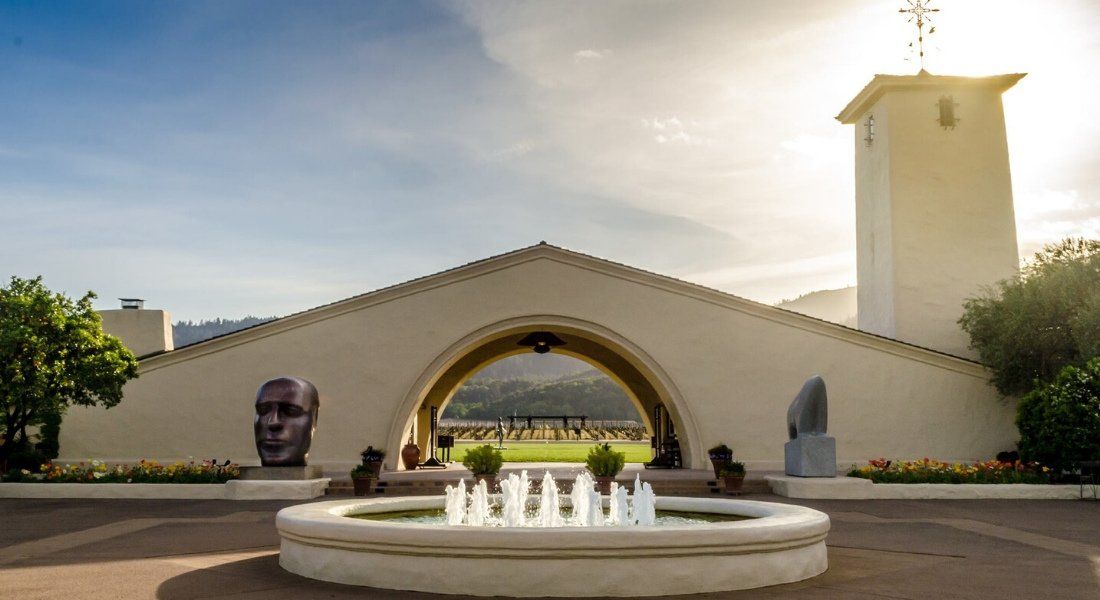
Napa Valley is a wine region in California, home to many producers, rather than the name of a single winery. Robert Mondavi is a central figure in the story of modern California wine. When he founded his winery in 1966, he set out to make Napa wines that could stand alongside the world’s finest.
For Mondavi, wine was part of a way of life that brought together food, art, and people. Cabernet Sauvignon, in particular, helped him demonstrate the potential of Napa’s vineyards. The winery’s distinctive arch and tower echo California’s mission architecture.
Napa Valley · Opus One
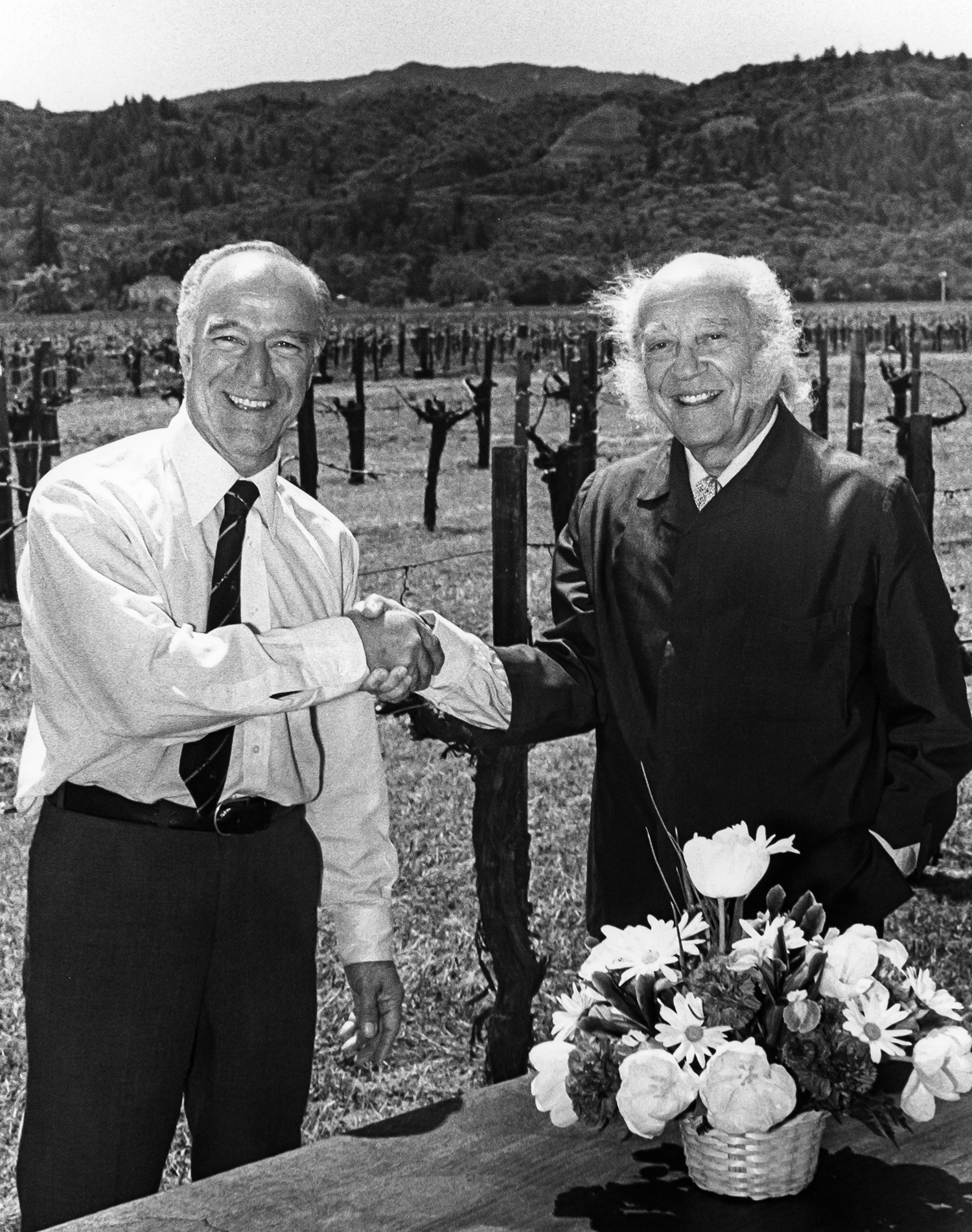
Opus One began with a meeting between Robert Mondavi and Baron Philippe de Rothschild, then the owner of Château Mouton Rothschild in Bordeaux. Launched in 1979, the project brought Napa grapes and French winemaking traditions together in one wine.
Its red wine blends several varieties, with Cabernet Sauvignon at the center. The aim is structure and balance as well as generous fruit. “Opus” refers to a musical work, reflecting the founders’ view of wine as a carefully composed creation.
Bordeaux, France · Château Margaux
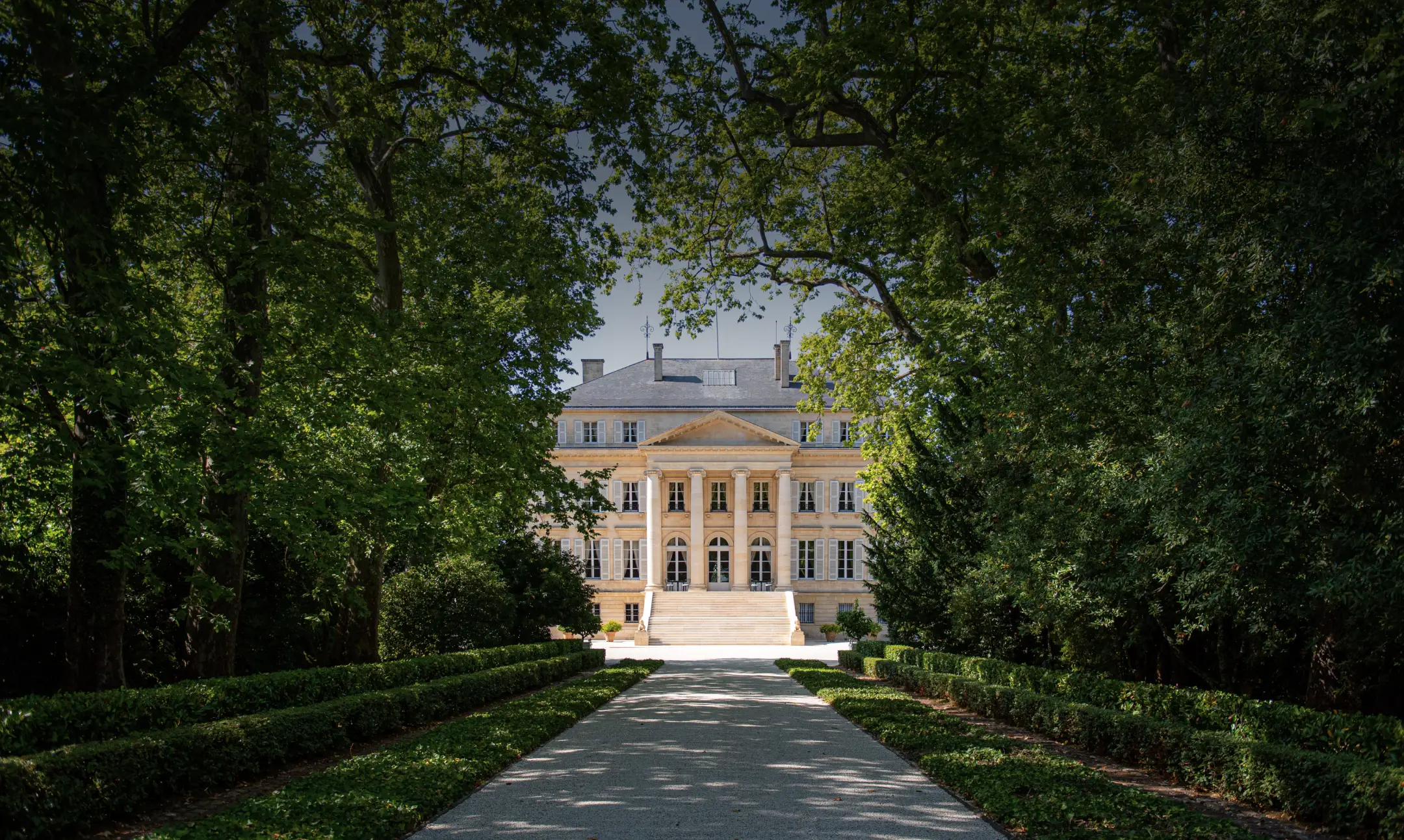
Château Margaux, in Bordeaux’s Médoc, has a history spanning more than 500 years. It was designated a First Growth, the highest rank, in the 1855 Bordeaux Classification. In this context, “château” refers to a wine estate with vineyards and winemaking facilities, rather than simply a castle-like building.
The estate’s flagship red wine embodies Bordeaux’s long tradition. Yet a deep history does not mean standing still. Ongoing improvements to the vineyards and winery help carry that heritage into the next generation.
Tuscany, Italy · Antinori
The Antinori family’s wine history dates to 1385, when Giovanni di Piero Antinori joined the wine merchants’ guild in Florence. More than six centuries of involvement in wine remind us that a bottle can reflect decisions made across many generations.
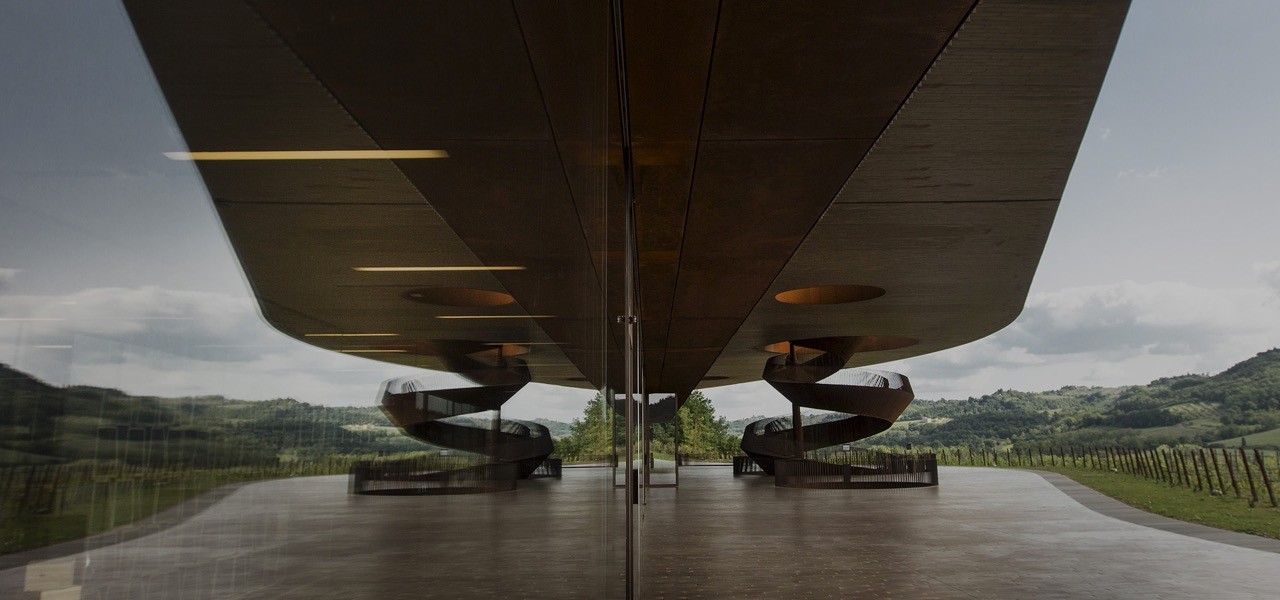
Antinori nel Chianti Classico in Tuscany expresses that long history through contemporary architecture. The winery blends into the hills and vineyards, with vines growing over its roof and a striking spiral staircase. Visitors can discover Chianti Classico wines alongside wines from the family’s other estates.
Famous names offer a starting point for understanding wine. Learning about the land and ideas behind them, rather than simply memorizing their names, can change the way you read a label.
How Do Grapes Become Wine?
1. Harvest — Choosing the Direction of the Wine
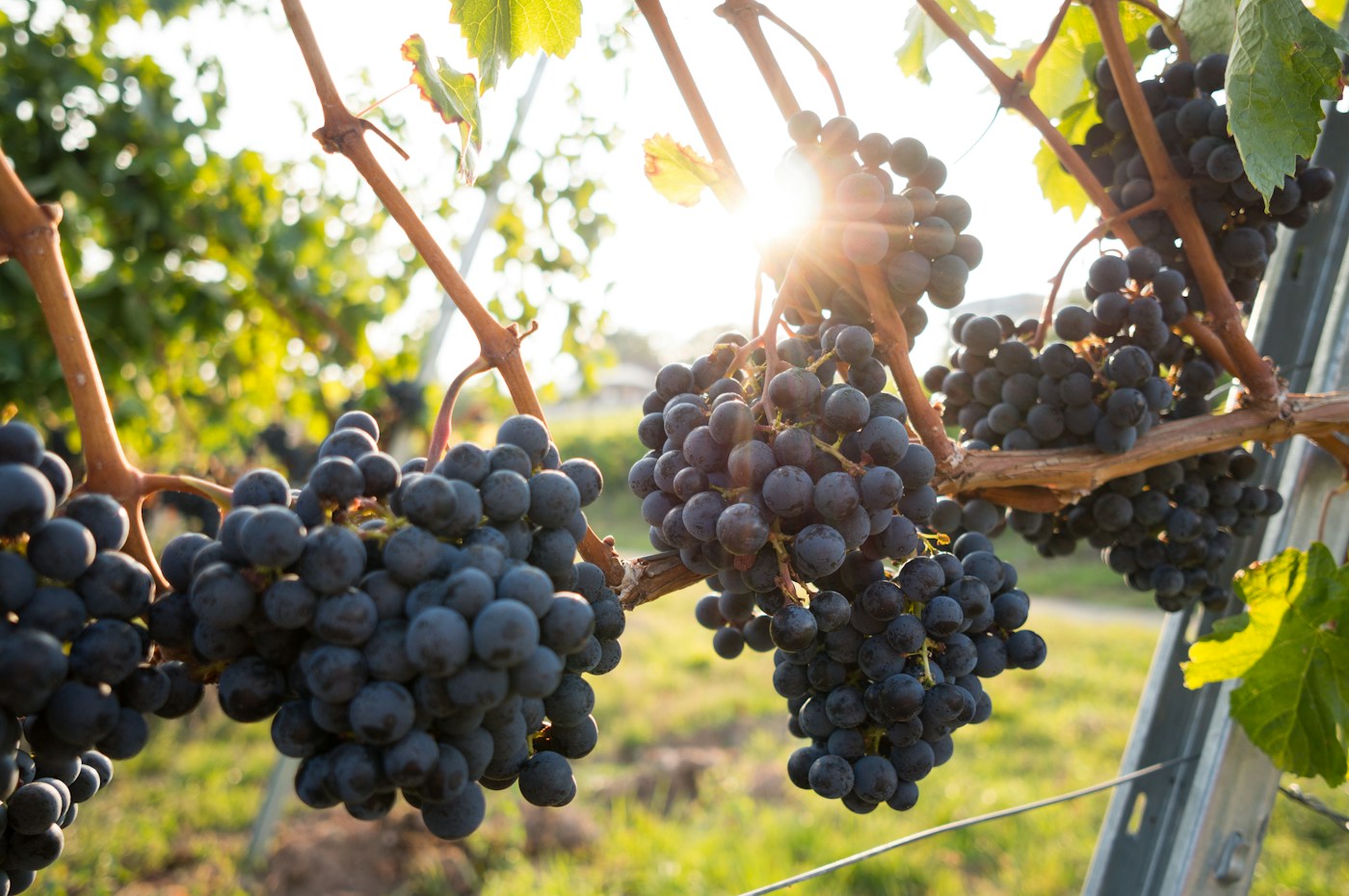
Producers decide when to harvest by assessing sugar levels, acidity, aromas, and the ripeness of the skins and seeds. Picking too early can leave sharp acidity and underripe flavors; picking later can bring higher sugar levels and lower acidity.
After harvest, the grapes are sorted and either destemmed or used as whole bunches, depending on the intended style.
2. Pressing and Skin Contact — Where Red and White Diverge
For white wine, grapes are usually pressed before fermentation to separate the juice. For red wine, crushed grapes are often fermented with their skins and pressed afterward.
For rosé, skin contact is kept brief to achieve the desired color and flavor. This stage affects tannins and texture as well as color.
3. Fermentation — Turning Sugar into Alcohol
During fermentation, yeast converts the sugars in grape juice into alcohol and carbon dioxide. Temperature, duration, and the choice of yeast all influence aroma and flavor.
Alcoholic fermentation may be followed by malolactic fermentation, which converts malic acid into lactic acid, softening the perception of acidity. It is used in many red wines and some white wines.
4. Aging — Refining Aroma and Texture
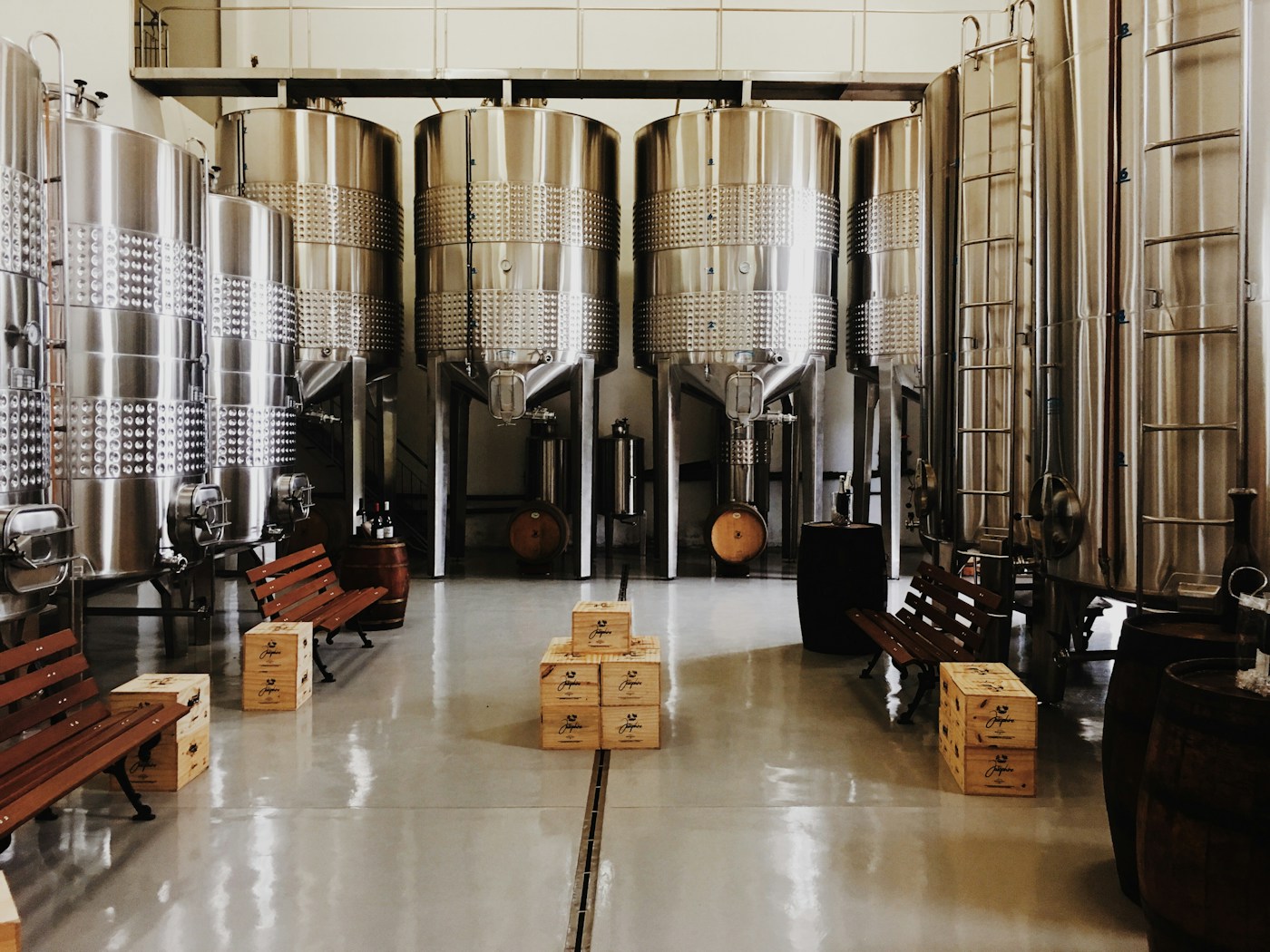
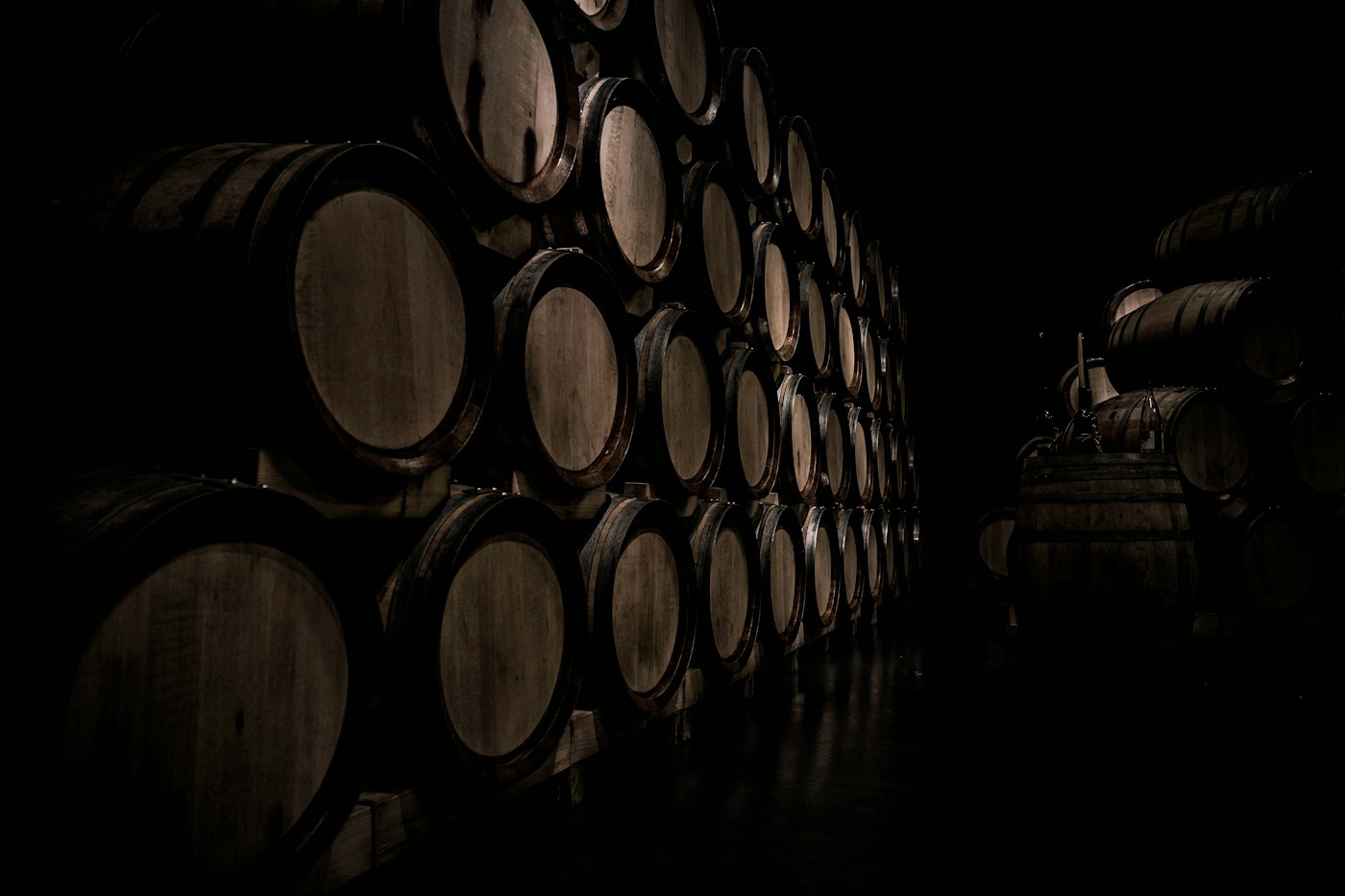
Stainless steel tanks help preserve clear, fresh fruit aromas. Depending on the conditions, oak barrels can add notes of vanilla, spice, or toast. Small amounts of oxygen entering through the barrel also contribute to changes in the wine’s texture.
The effects depend on whether the barrel is new or previously used, its size, and the length of aging. Oak aging does not always produce a strong oak flavor.
5. Blending and Bottling — Bringing the Balance Together
Producers may blend wines from different grape varieties, vineyard plots, or aging vessels to achieve the balance they want. The wine is then bottled, with fining and filtration used as needed.
Not every wine improves with age. Wines made to highlight fresh fruit are often most appealing when enjoyed relatively young.
Four Elements to Look For When Tasting
Acidity is the refreshing tartness that makes your mouth water. It gives wine freshness and can cut through richness in food.
Tannins are compounds found mainly in grape skins, seeds, and oak. They create a drying, astringent sensation in the mouth, which is distinct from bitterness.
Body describes a wine’s weight in your mouth: whether it feels light and fresh or full and rich.
Sweetness is related to the sugar remaining after fermentation. Fruity aromas do not necessarily mean a wine is sweet. A wine can smell like ripe fruit and still taste dry.
Considering these four elements separately helps reveal differences that words such as “rich” or “smooth” cannot fully explain.
Food and Wine Pairing
The familiar rule of red wine with meat and white wine with fish is only a starting point. Cooking methods, sauces, and the weight of a dish can matter more than the main ingredient.
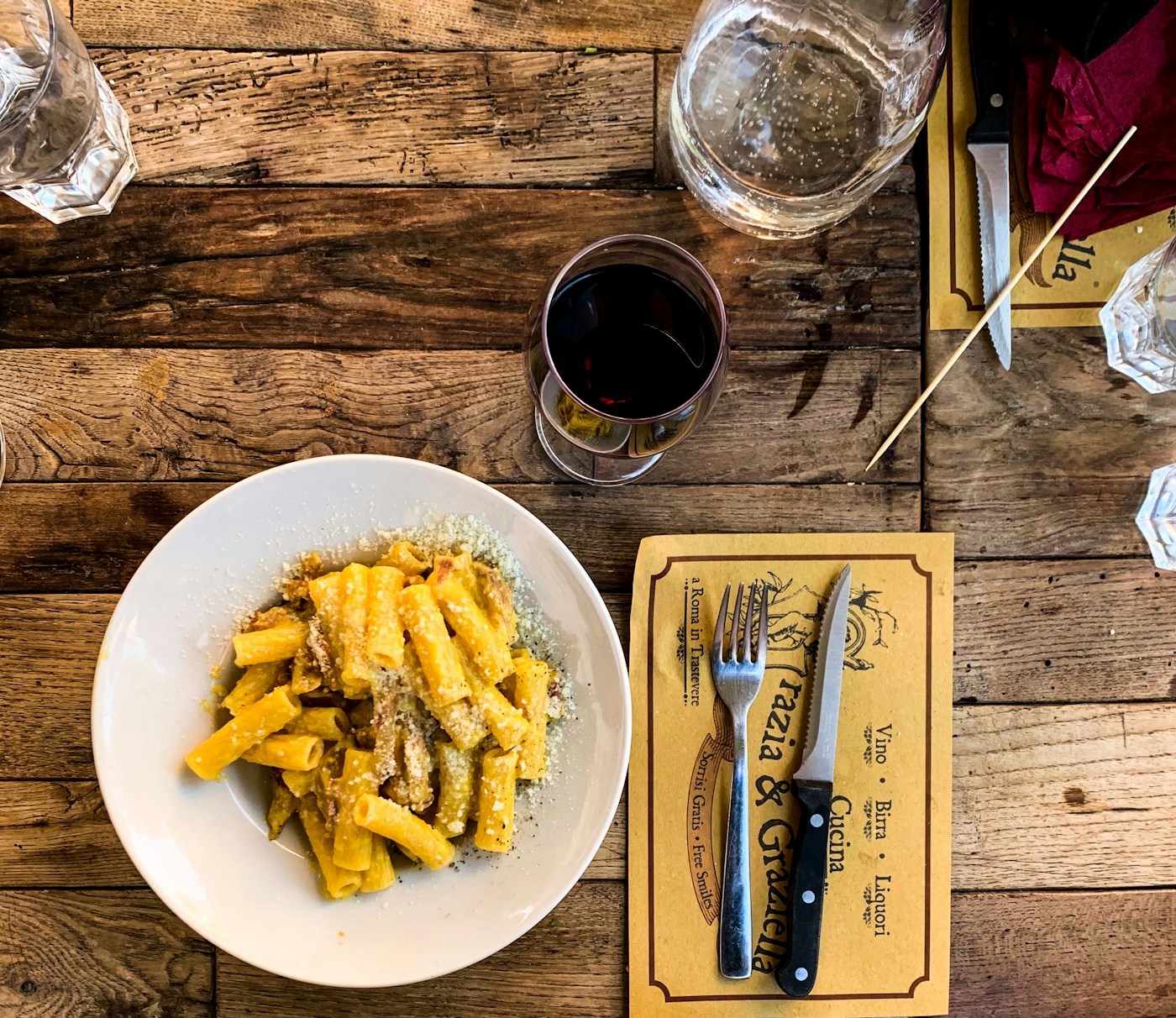
A white wine with enough acidity can balance the richness of creamy pasta. Pasta with tomato sauce often works well with a fresh red whose acidity can match the sauce. For lobster with butter, consider a Chardonnay that combines a generous texture with good acidity.
High alcohol or firm tannins can intensify the heat of spicy food, making an off-dry Riesling one possible choice. With dessert, a useful guideline is to choose a wine at least as sweet as the dish.
A successful pairing allows the food and wine to complement each other, with neither overwhelming the other.
How to Understand the Wine in Your Glass
You do not need to memorize a long list of aromas at the outset. Begin by noticing whether the acidity is bright, whether your mouth feels dry, whether the wine is light or full-bodied, and whether any sweetness remains.
When you find a wine you enjoy, note its grape variety, region, producer, and vintage. These details give you more useful guidance for choosing the next bottle than price alone. Learning about wine is, ultimately, a gradual process of finding more precise words for the flavors you like.