Camino de Santiago
Camino de Santiago
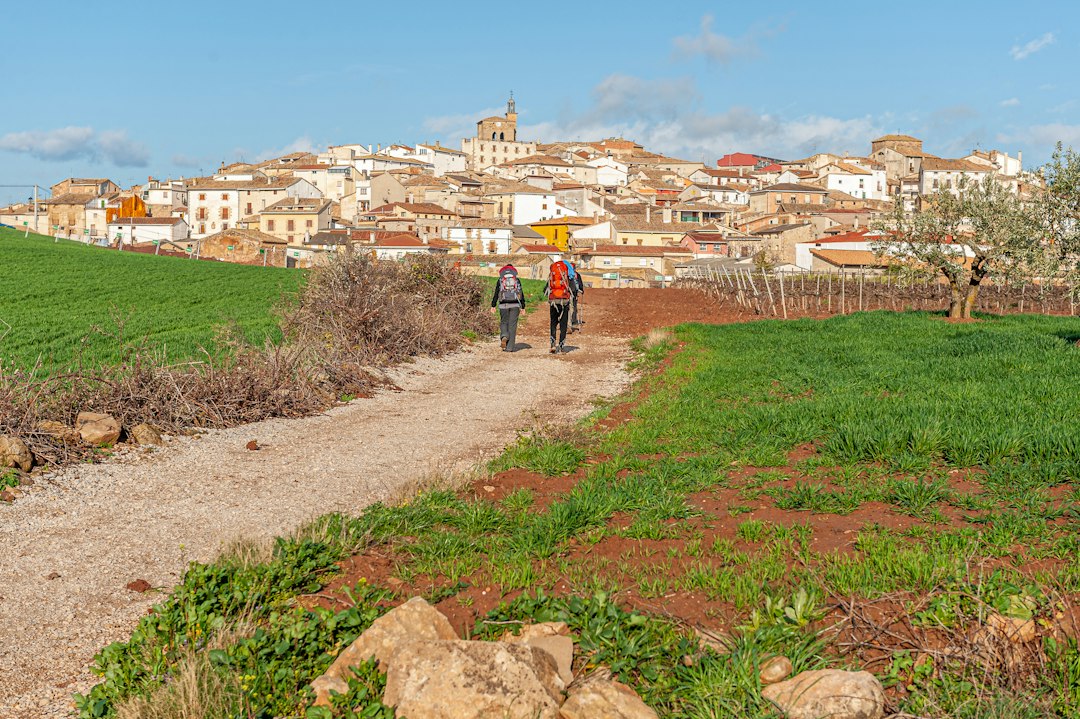
A Path Where Walking Becomes the Heart of Each Day,
Camino de Santiago.
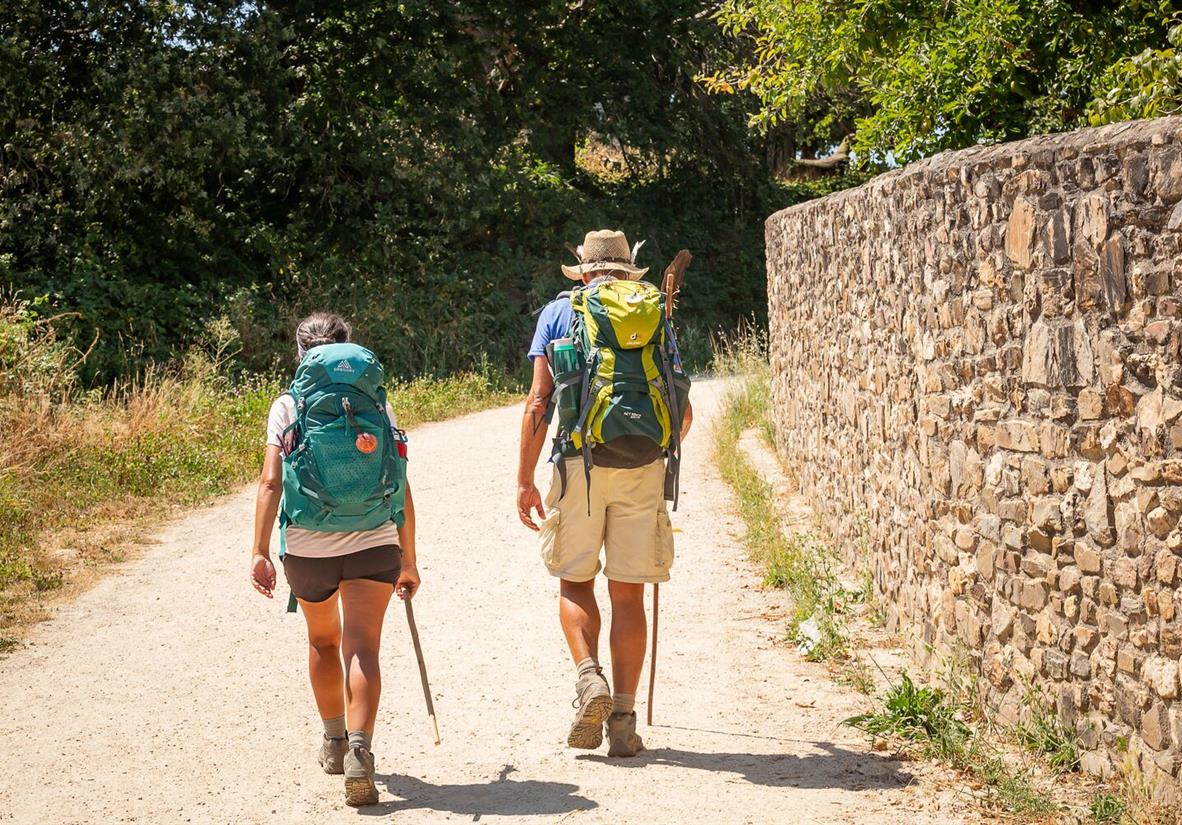
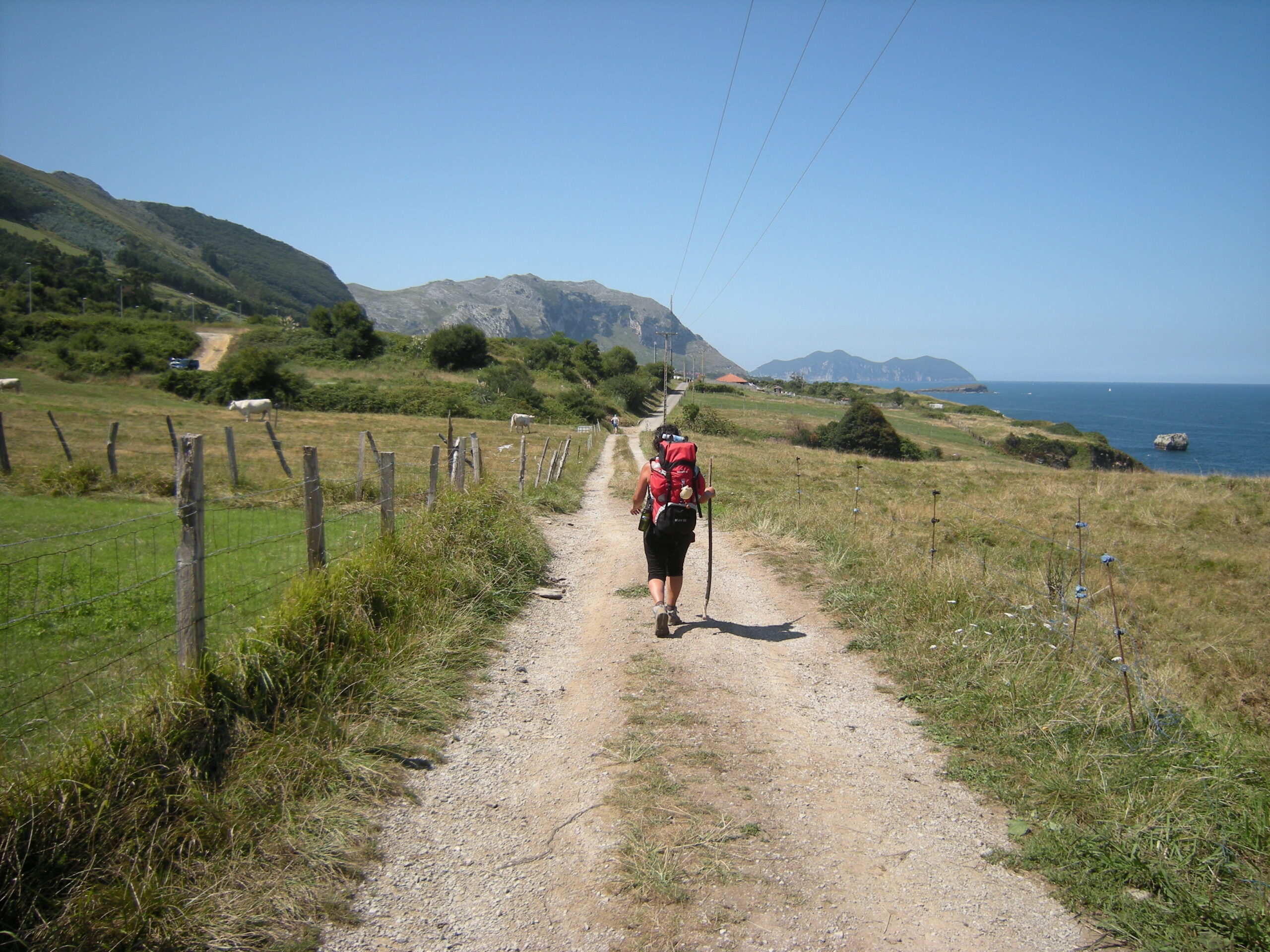
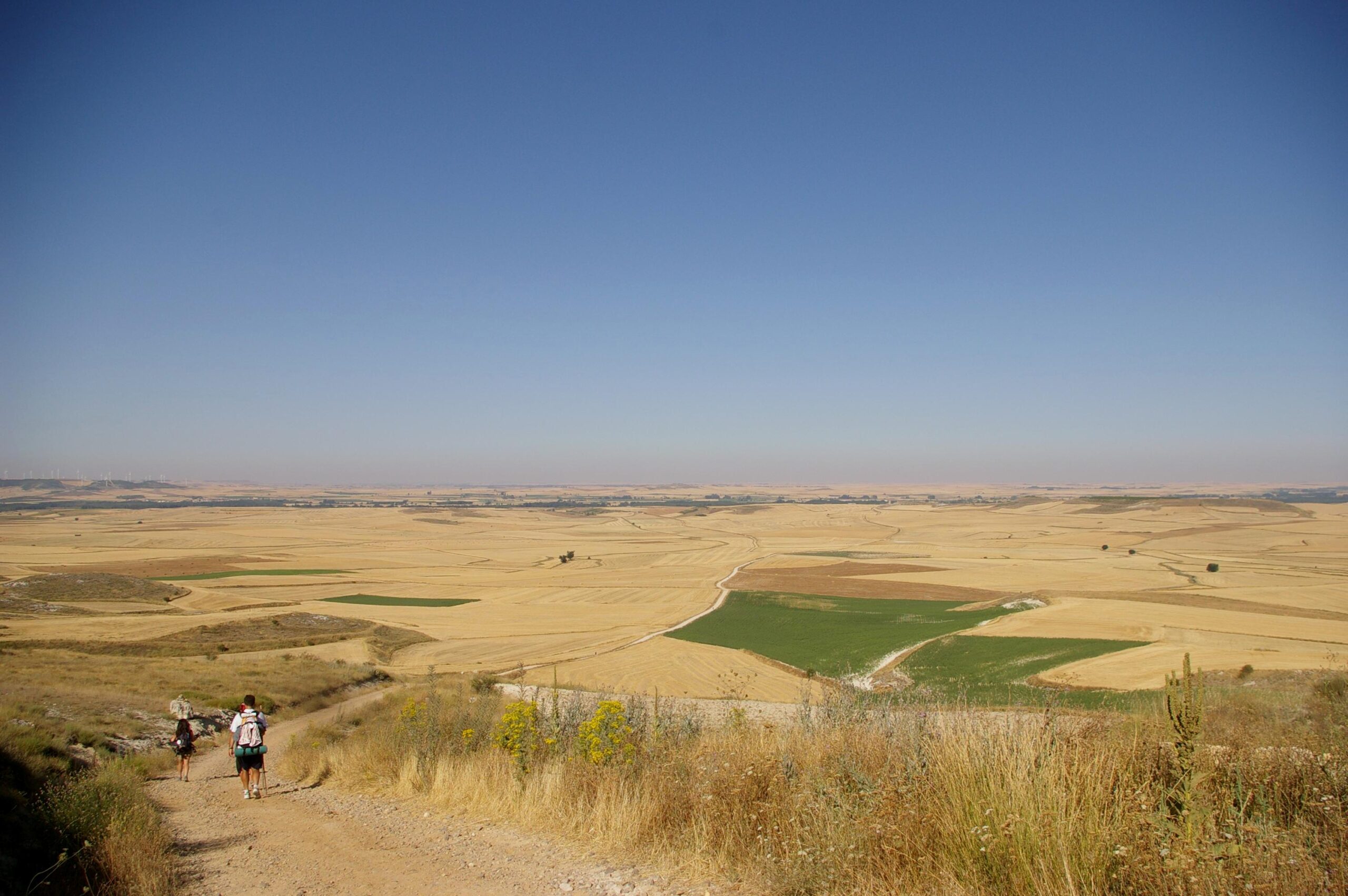
The walkers, backpacks on their shoulders, keep their own distance from one another. Between them lie open fields, the wind, and the quiet of midday. This is the scene that first comes to mind when I think of the Camino de Santiago.
Yet a day on this path is about more than the scenery. You tie your shoes in the morning, stop for coffee in a small village, find a place to sleep, and hang out your laundry. A long journey unfolds through these very ordinary, very tangible routines.
What Is the Camino de Santiago?
The Camino de Santiago is a network of pilgrimage routes leading to Santiago de Compostela in Galicia, northwestern Spain. These paths, walked since the Middle Ages, lead to the cathedral traditionally believed to hold the tomb of the apostle Saint James.[1]
People come for different reasons today. Some walk for their faith; others are drawn by the landscape and history. Some want time to reflect at a turning point in life, while others simply want to experience a long journey on foot. Walking the Camino and qualifying for a religious pilgrimage certificate are separate matters.
Many Routes: Where to Begin, Where to Go?
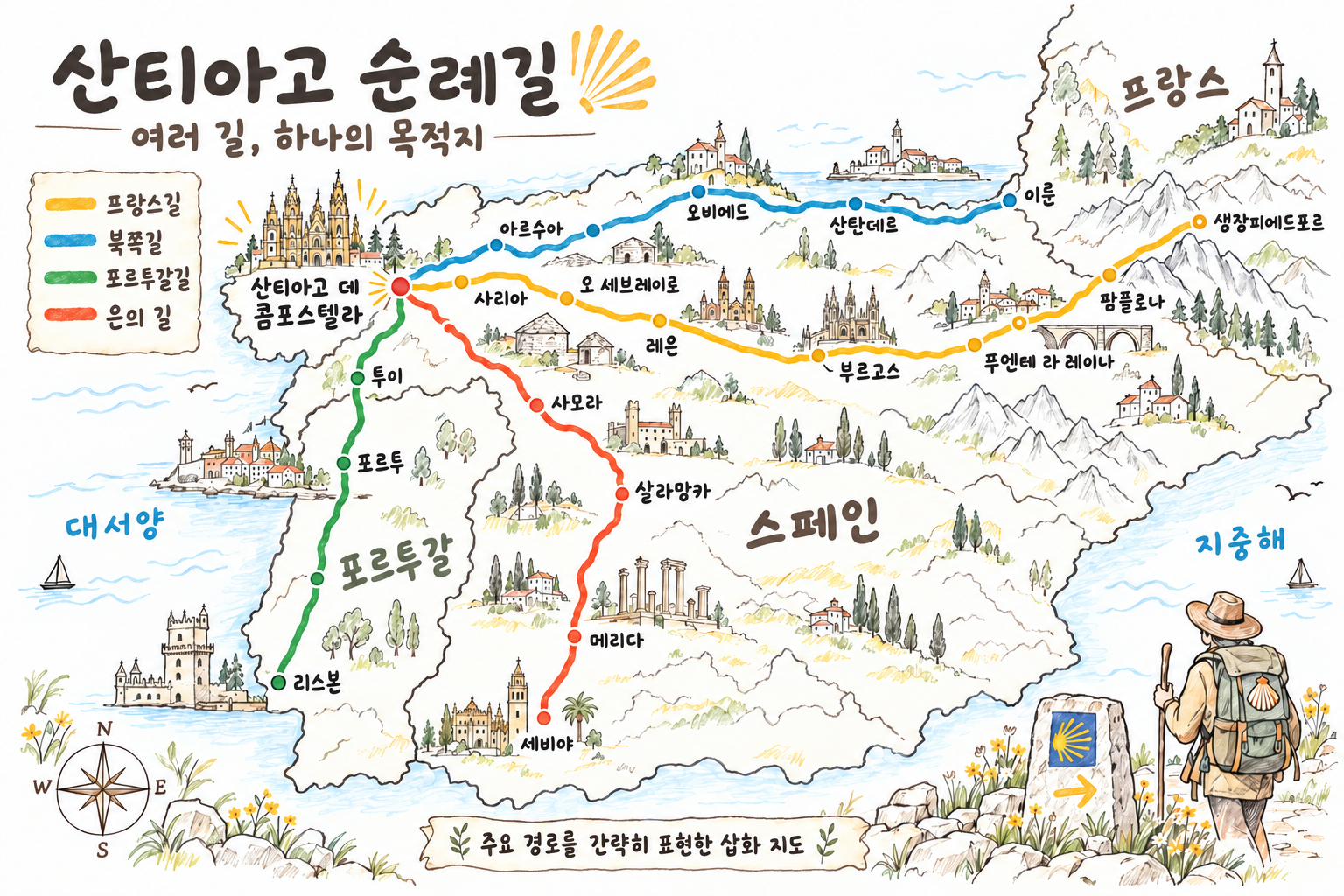
The best-known route, the Camino Francés, begins near the border between France and Spain and crosses northern Spain toward the west. The Northern Way follows the northern coast, while the Portuguese Way can begin in Lisbon, Porto, or somewhere closer to Santiago.
The Vía de la Plata approaches from the south. The illustration shows only the general course of these major routes.[1]
When you first begin exploring the options, it helps to think about how much time you have and what you would like to see, rather than comparing every route at once. Here, we focus on the French Way, whose villages and accommodations make it easier to imagine everyday life along the path.
Where Should I Start, and How Long Will It Take?
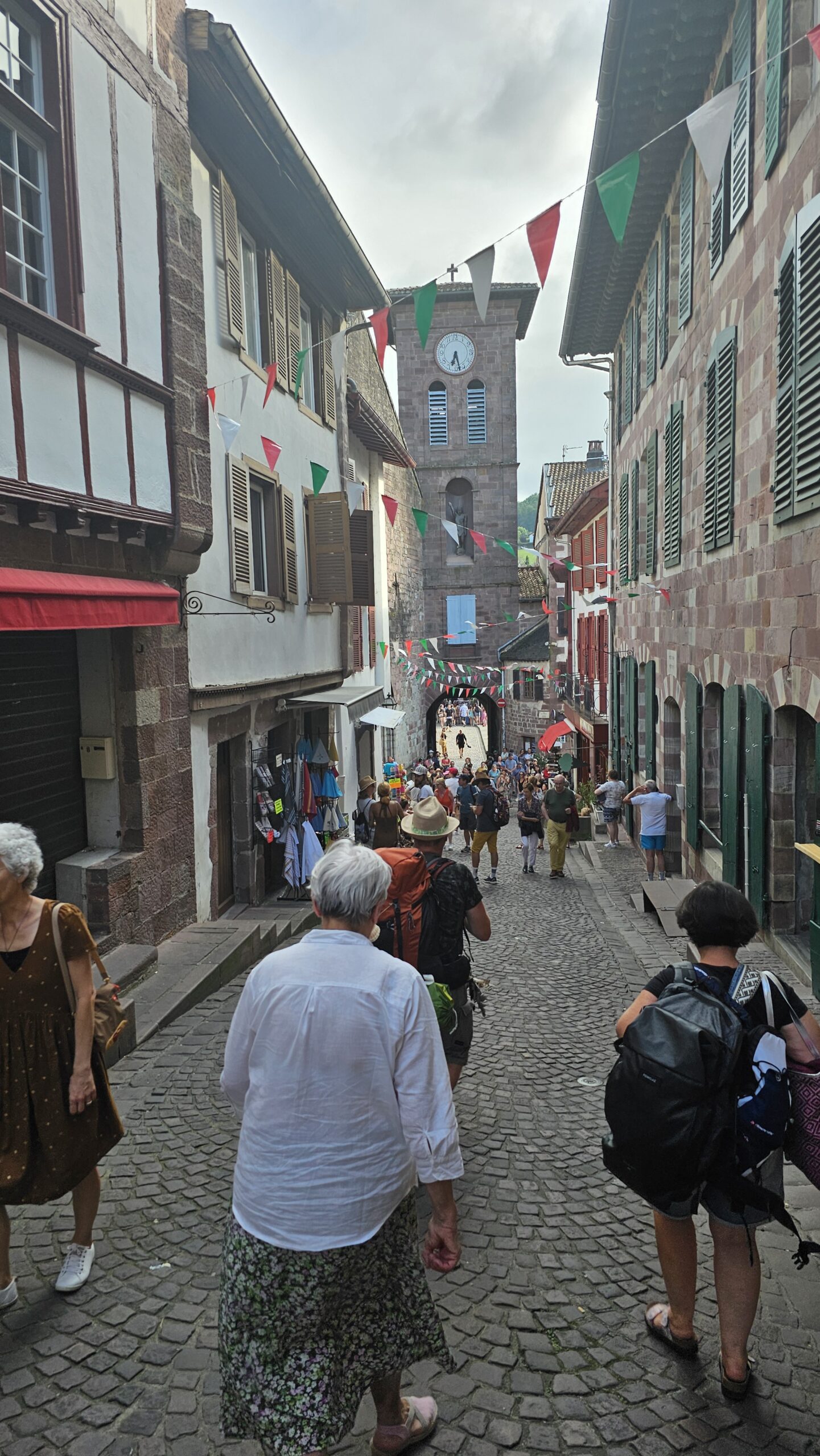
The Camino has no single starting point for everyone. You can begin a long journey in Saint-Jean-Pied-de-Port, France, or join the route farther along, in León or Sarria. Your starting point determines both the distance and the number of days you will need.
| Starting point / approach | Distance to Santiago | Example walking schedule |
|---|---|---|
| Saint-Jean-Pied-de-Port · The longer French Way journey | Roughly 770–800 km | About 32–40 days |
| León · A later section of the French Way | Roughly 300–320 km | About 13–17 days |
| Sarria · The final section of the French Way | Roughly 115 km | About 5–7 days |
These schedules are planning examples based on distance and daily walking pace. The exact distance depends on the branches you choose and where you stay. Allow extra days for flights, travel to your starting point, rest, and time in Santiago. Seven days of walking does not necessarily mean a seven-day trip.[2]
Walking 20 km at 4 km per hour takes about five hours of actual walking. Hills, meals, photographs, and breaks make the day considerably longer. Start with shorter distances and adjust as your body adapts. More important than the number is whether you can comfortably walk again the next day.
How Do I Reach the Starting Point?
If you start in Saint-Jean-Pied-de-Port, you can consider flying to Europe and continuing via Bayonne, France. Check the operating dates and times of the regional train between Bayonne and Saint-Jean-Pied-de-Port. Leave enough time between your flight’s arrival and the last train of the day.[3]
If you start in Sarria, options include taking a train from Madrid or flying into a nearby airport, such as Santiago or A Coruña, and continuing by ground transport. Sarria’s tourism office provides information about train, bus, and air connections. Check routes and transfers for your actual travel dates.[4]
A useful booking order is: choose your starting point and walking days → decide where to arrive and depart → check the connection between the airport and your starting point → book flights and your first night’s stay. A day to sleep, sort out your backpack, and settle in can make for a calmer beginning than heading straight into the mountains on arrival.
What Will I See Along the Way?
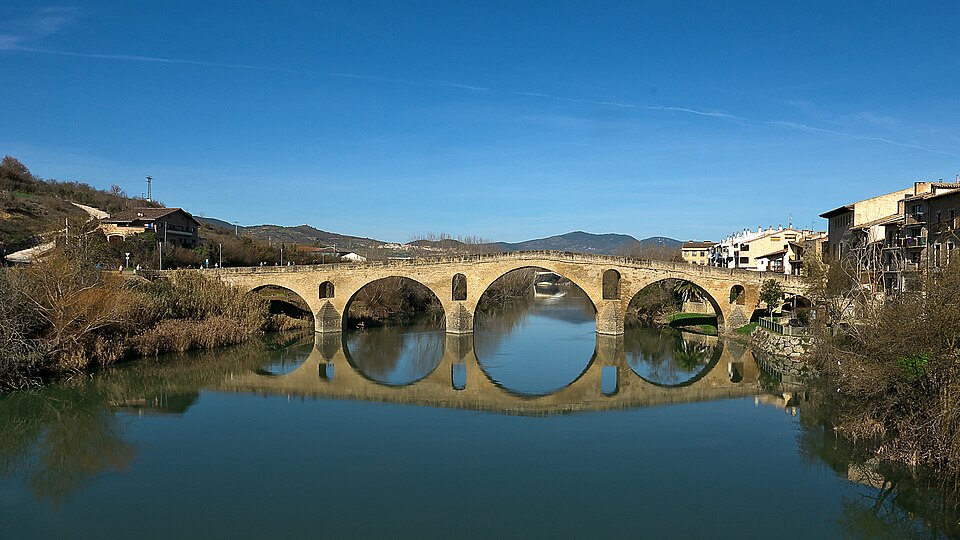
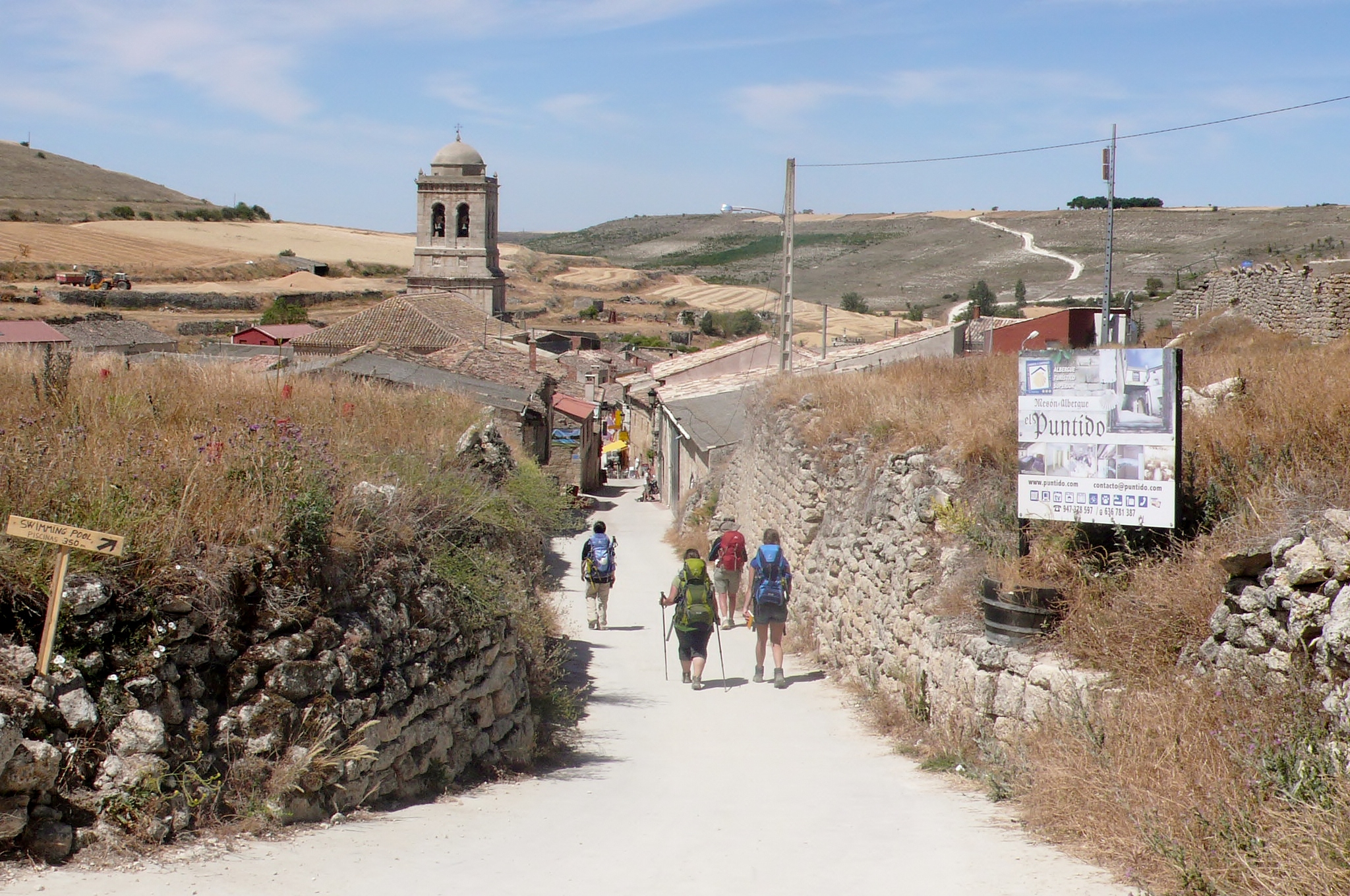
The French Way does not offer just one kind of landscape. Mountain terrain gives way to villages, cities, vineyards, broad plains, and eventually the green paths of Galicia. Pamplona, Logroño, Burgos, León, and Astorga offer pauses where historic architecture and everyday life meet.[1]
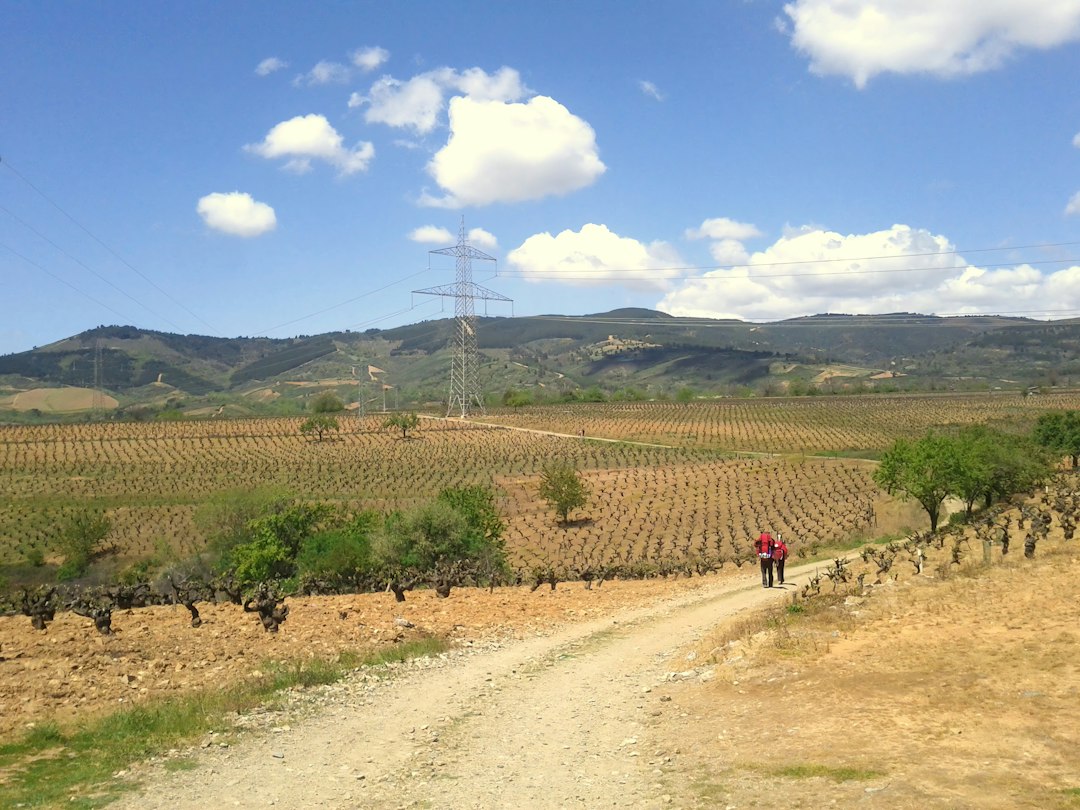
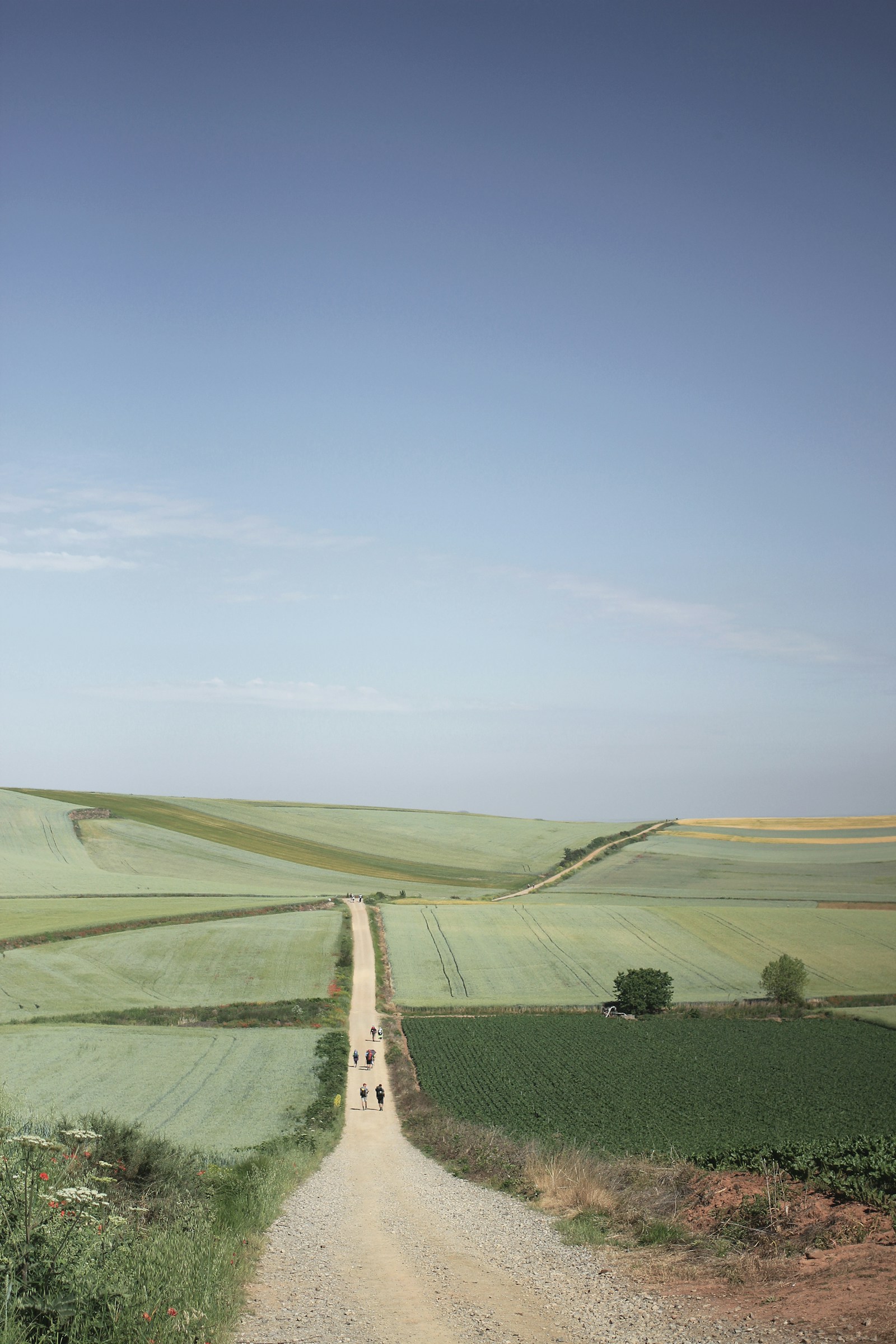
In small mountain villages such as O Cebreiro, even the shape of the buildings changes with the landscape. If you focus only on how quickly you can pass through, these places may become little more than a backdrop. Shortening the day’s walk to spend more time in a village that stays with you is another way to travel.
Preparation Begins with Your Body, Before Your Backpack
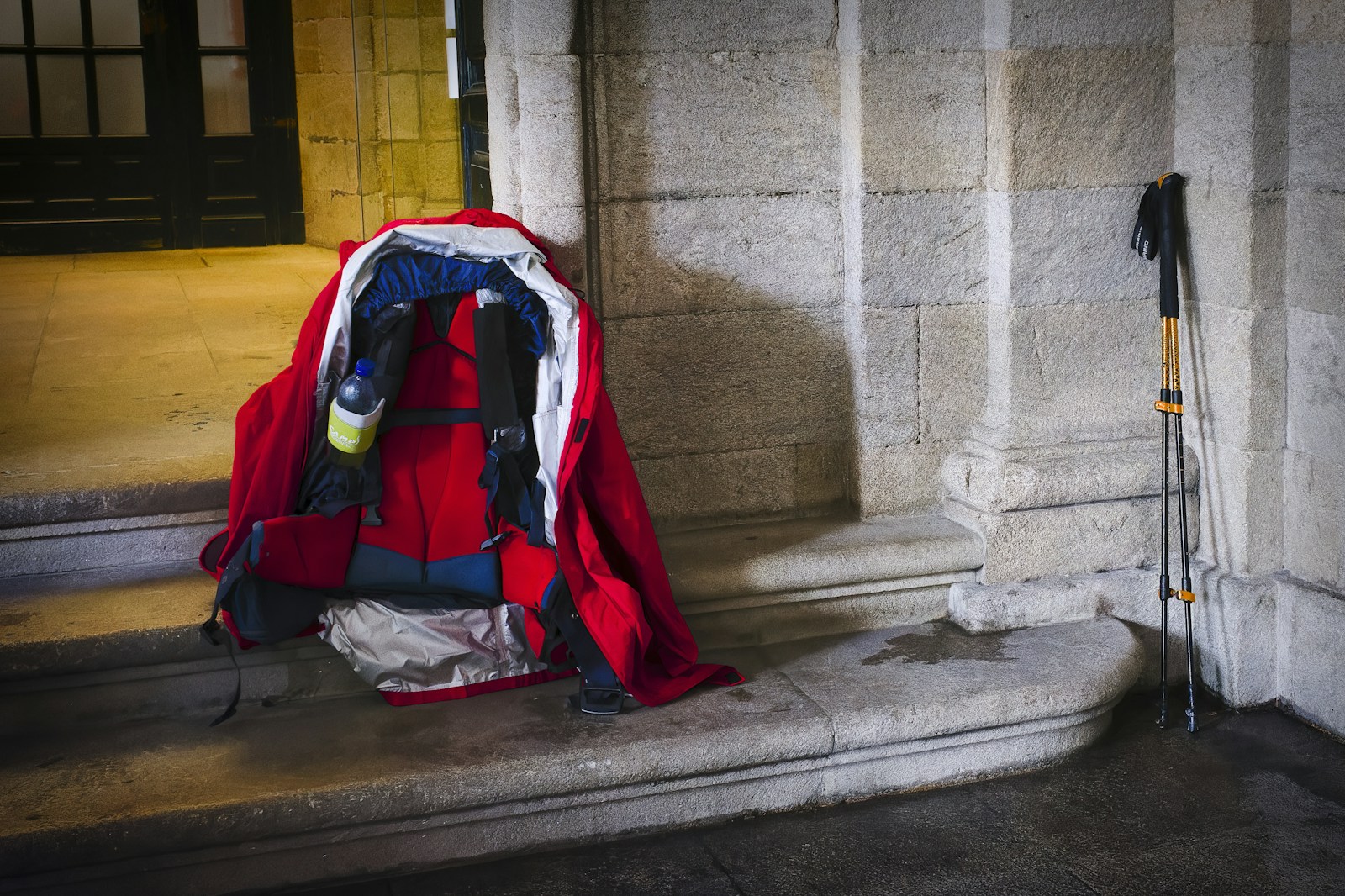
Before setting out on this journey, gradually increase the time you spend walking. Try hills as well as flat ground, and test the shoes and backpack you intend to use. Pay attention not only to how a long day feels, but also to the fatigue that comes from walking on consecutive days.
What matters is how your shoes feel after a long walk, rather than how comfortable they are when new. Try them with your walking socks and check the room around your toes, friction at your heels, and how they feel when wet.
Walk with your backpack loaded, too, to understand the strain it places on your shoulders and lower back.[5]
| What to prepare | What to consider |
|---|---|
| Shoes · Socks · Backpack | Test them on several walks. Start by removing items you do not need. |
| Walking clothes · A change of clothes | Choose layers that dry easily, with warmth and rain protection suited to the season. |
| Rain gear · Hat · Water bottle | Prepare for both sun and rain, and carry enough water to reach the next refill point. |
| Toiletries · Quick-drying towel | Keep them small and light. Think about your routine after showering and doing laundry. |
| Personal medication · Basic first-aid supplies | Bring your usual medication and foot-care items, taking your own health into account. |
| Passport · Payment methods · Phone | Check insurance, charging, mobile service, offline maps, and booking details. |
| Sleeping bag or liner · Earplugs | Decide according to the season and whether your accommodations provide bedding. |
Trekking poles and luggage-transfer services are also options. If you use a transfer service, check its coverage, weight limits, collection times, and whether your next accommodation can receive your bag. Even when your main luggage is transported, carry a small bag with water, rain gear, medication, and valuables.
Where Will I Sleep After Walking?
An albergue is accommodation for pilgrims. Many have shared dormitories with bunk beds. There are public, parish-run, and private albergues, and you can mix dormitory stays with private rooms, guesthouses, or hotels.
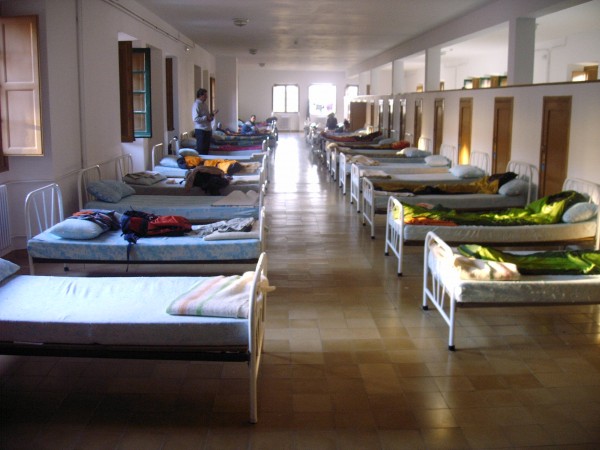
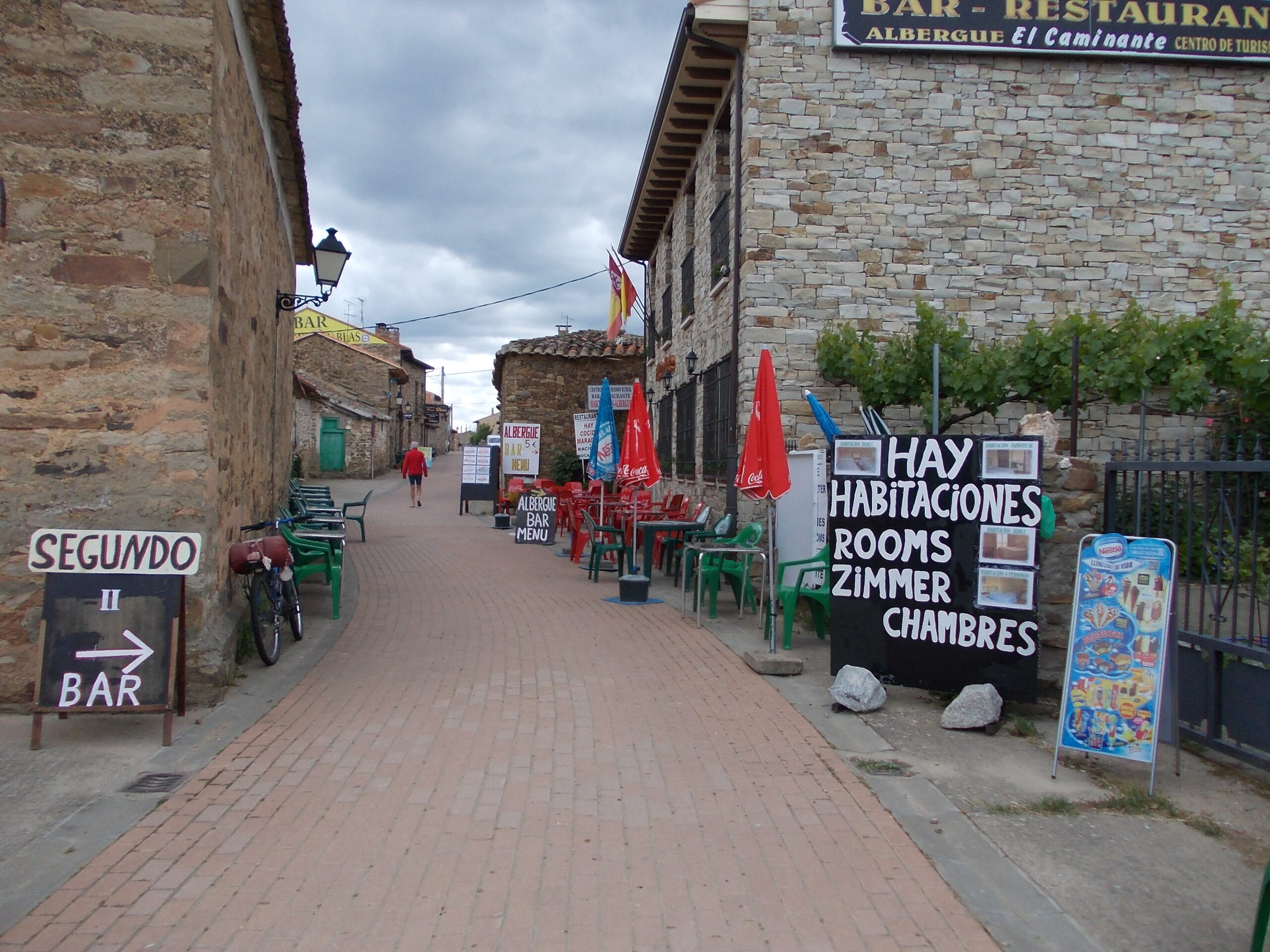
Shared accommodation offers lower costs and opportunities to meet people. You can exchange greetings and information with others who have walked the same route.
Snoring, the sounds of early departures, shared showers, and limited personal space are part of the experience, too. If you are a light sleeper, consider a private room every few nights.
Galicia’s official public albergue network lists a charge of €10 per person per night, approximately US$11.30. Beds are assigned in order of arrival, and advance reservations are generally not accepted.
Stays are normally limited to one night, with set opening and departure times. These rules should not be assumed to apply to every private accommodation.[6]
Private accommodations have their own booking and cancellation policies. Check ahead during busy periods or when you especially want to stay in a particular village.
Booking many nights can provide reassurance, but it may make it harder to adjust your distances as your body needs. Find your own balance between flexibility and certainty.
What About Meals?
Breakfast might be coffee and bread at a café, with something simple to eat while walking. Lunch could be a village restaurant or a sandwich, and dinner a restaurant meal or something you prepare yourself. Think of simple meals that give you the energy to keep walking, day after day.
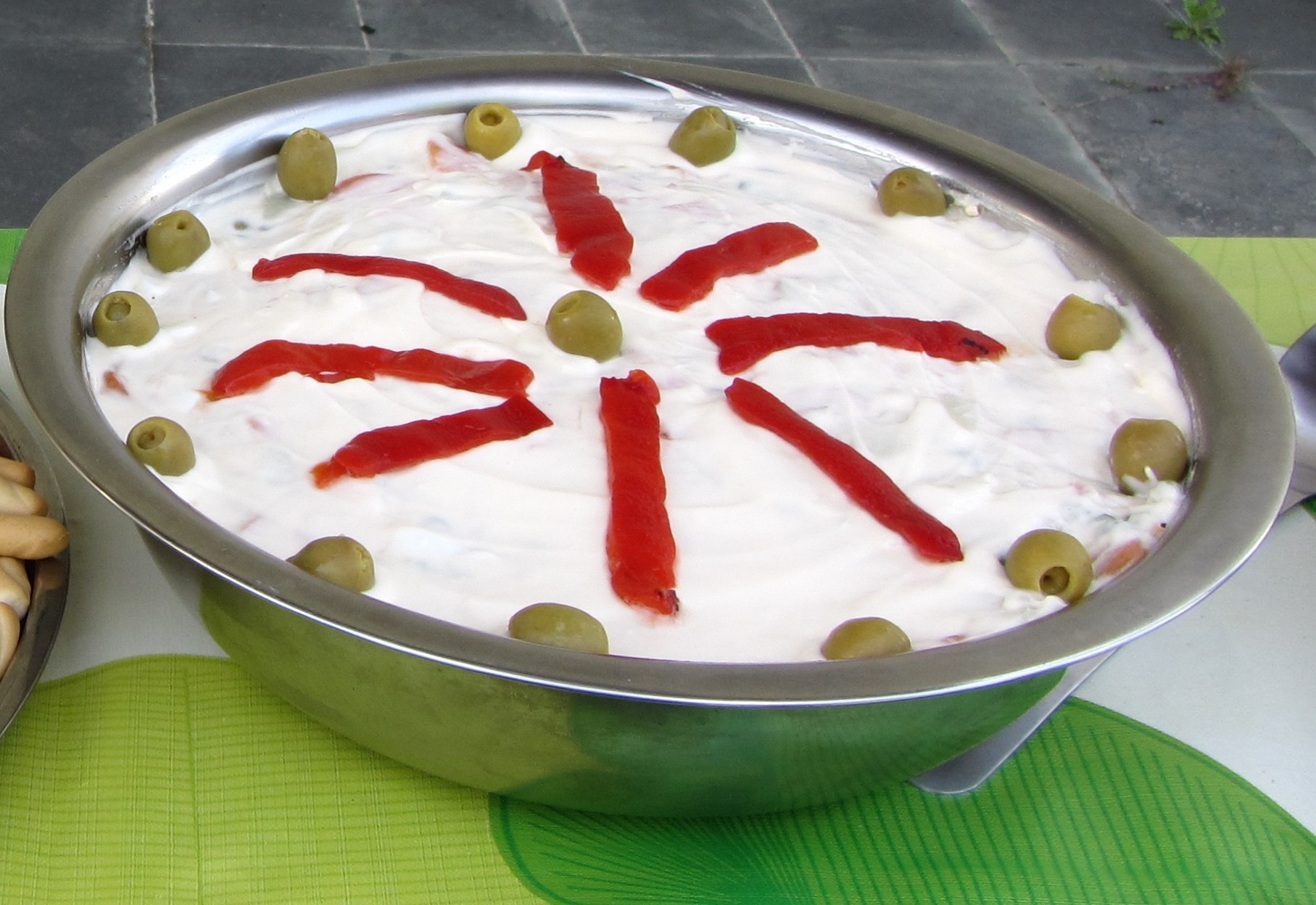
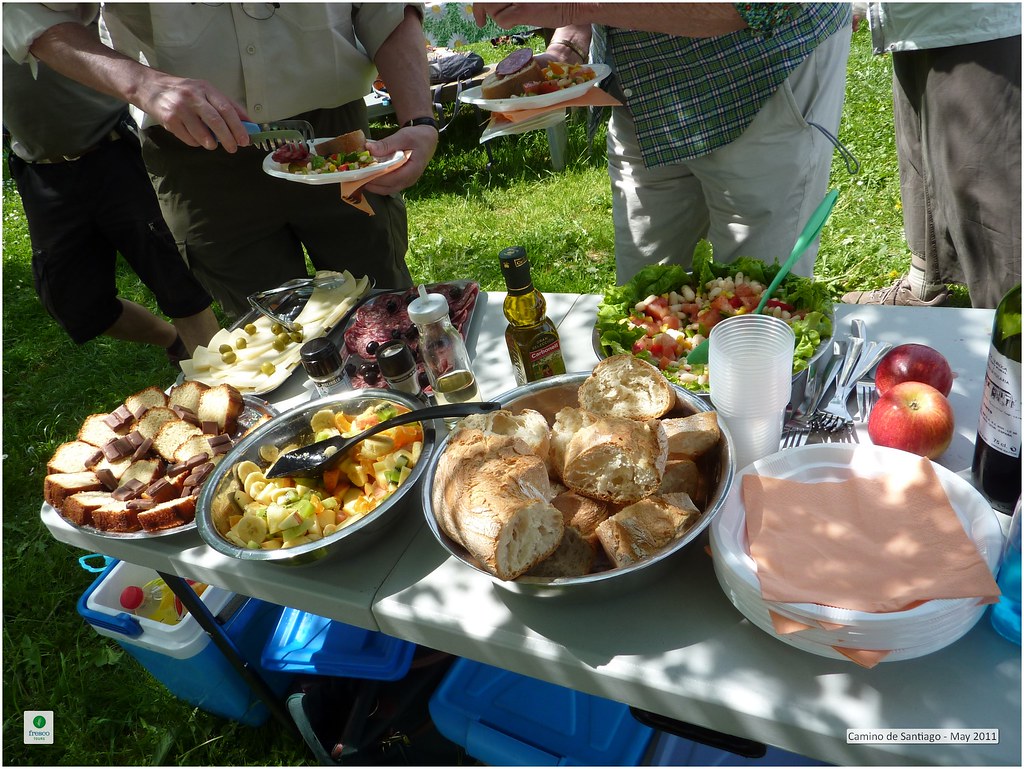
Some restaurants offer a set pilgrim’s menu, but the dishes and prices vary. Check whether drinks and bread are included and whether it is available at both lunch and dinner.
Shopping and cooking can reduce food costs, but a kitchen does not necessarily come with pots and utensils. Galicia’s public accommodation information also lists places with kitchens but no cooking equipment.[6]
If you leave early, cafés may not yet be open. Preparing a simple breakfast and enough water for the next section the evening before can help. If you have dietary restrictions or allergies, save a short explanation in Spanish on your phone and confirm ingredients directly with the restaurant.
Preparing for the Next Day
After arriving, you put down your backpack, shower, wash your sweaty clothes, and look over the next day’s route. You can wash clothes by hand, use a paid washing machine at your accommodation, or visit a village laundry.
Check whether drying is available, detergent is included, and a load can be shared to split the cost.
Too many clothes make your backpack heavy; too few can leave you short of dry clothing on rainy days. Plan your changes of clothes with the possibility that laundry will not dry overnight. Afternoon washing lines, shared tables, and simple beds are as much a part of the Camino as the scenery along the path.
How Much Will It Cost?
Accommodation choices and the length of your journey make the biggest difference to your budget. The amounts below are planning ranges to help you estimate the scale of a trip, rather than confirmed quotations or averages based on specific accommodations and restaurants.
Calculate daily expenses separately from flights and transport to understand the full cost.[7]
Dollar estimates use €1 ≈ US$1.13, rounded from the European Central Bank’s reference rate for October 1, 2026. Actual payment rates and fees may differ.[8]
| Planning budget per person | Euros | Approximate equivalent in USD |
|---|---|---|
| Public albergues + Mostly self-catering / Per day | €25–35 | About US$28.25–39.55 |
| Shared accommodation + A mix of restaurant meals / Per day | €40–60 | About US$45.20–67.80 |
| Private rooms + Mostly eating out / Per day | €85–130 or more | About US$96.05–146.90 or more |
To estimate food separately, you might allocate €3–6 for breakfast (about US$3.39–6.78), €7–15 for a simple lunch (about US$7.91–16.95), and €10–20 for dinner (about US$11.30–22.60). These are also planning figures, rather than guaranteed prices.
Your spending will depend on café stops and how you combine supermarket food with restaurant meals.
At €50 per day, approximately US$56.50, the calculation would look like this. The table gives examples of local living costs for the stated number of days; it excludes flights, travel to the starting point, and additional accommodation nights.
| Days of local living expenses | €50 × Number of days | Approximate equivalent in USD |
|---|---|---|
| 7 days | €350 | About US$395.50 |
| 14 days | €700 | About US$791.00 |
| 30 days | €1,500 | About US$1,695.00 |
| 35 days | €1,750 | About US$1,977.50 |
Airfare cannot be reduced to a single figure before you choose your departure city and dates. For example, assuming a round-trip flight costs US$880.52, then adding US$110.06 for airport and starting-point transfers, US$395.50 for seven days of local expenses, US$73.38 for insurance and related costs, and US$146.75 as a reserve gives a total of about US$1,606.21.
The airfare is an illustrative assumption, rather than a current fare. Add any extra accommodation nights and equipment purchases you need.
Include laundry and drying, medication and foot care, mobile service, any luggage-transfer days, and extra nights for rest in your budget. Leaving room to rest comfortably makes it easier to continue the journey than trying to fit every day into the lowest possible cost.
A Journey Alone or Together
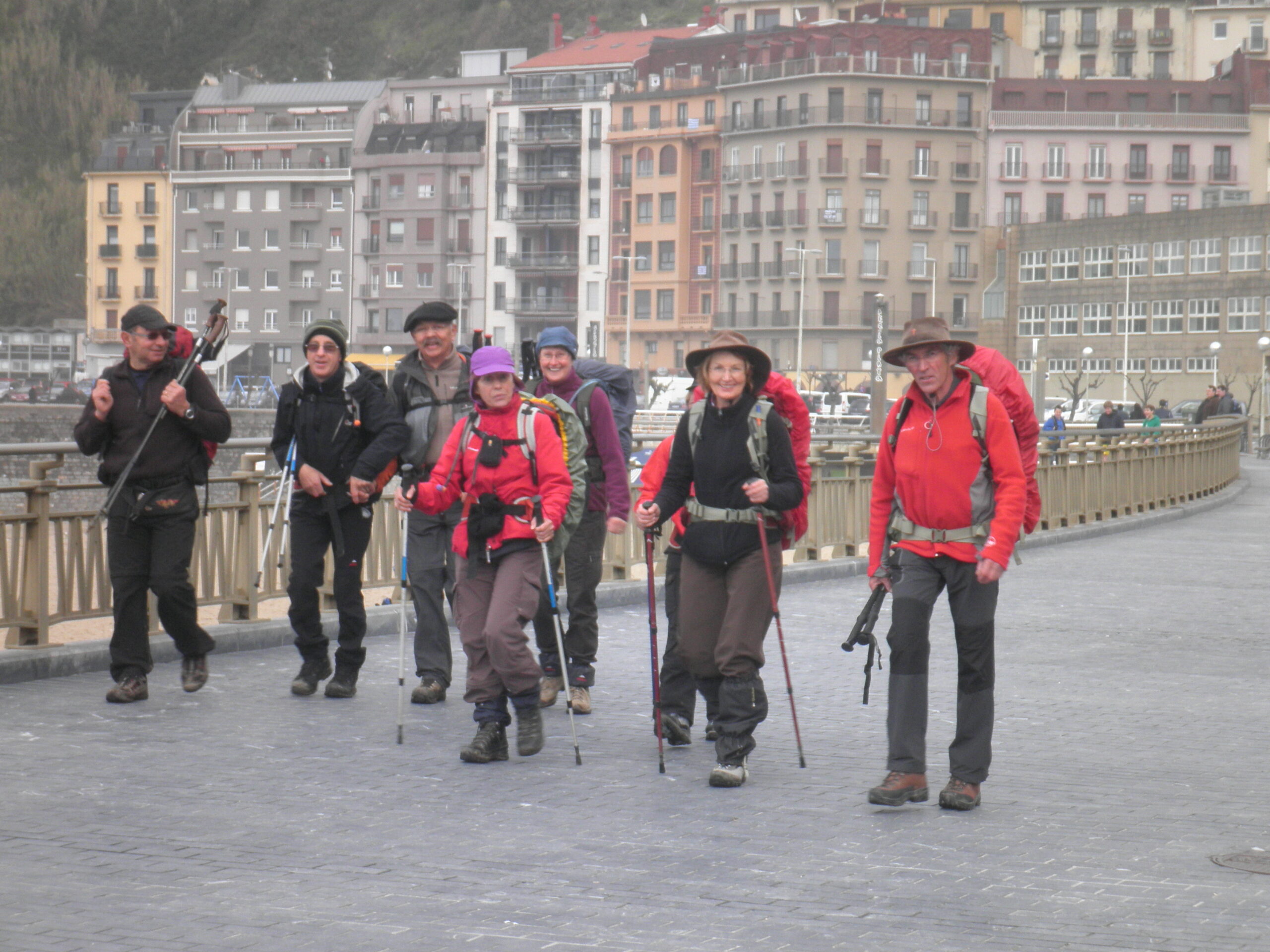
There is no single answer to how many people usually go together. You can set out alone, walk as a couple or with a friend, or join a small group or organized tour.
Companions are not limited to the people you leave home with. You may meet others along the path or at an albergue and walk in the same direction for a while.
| Approach | Advantages | What to consider beforehand |
|---|---|---|
| Walking alone | Choose your own pace, breaks, and villages to stay in. | You make decisions about accommodation, transport, and unfamiliar situations yourself. Sharing your location and plans with someone close to you can help. |
| A pair or small group | Share preparation and information, and remember the experience together. | Fitness, pace, food budgets, and accommodation preferences may differ. |
| An organized or guided tour | Reduce the work of arranging transport and accommodation. | Check the fixed schedule, transport arrangements, included costs, and free time. |
Traveling together does not have to mean walking side by side every moment. You might walk separately in the morning and meet for lunch or at your accommodation. Discussing daily distances, rest days, private-room nights, and budgets before leaving can keep small differences from becoming disagreements.
If you want to walk alone but feel overwhelmed by the arrangements, consider a self-guided package that helps with accommodation bookings and luggage transfers. Check whether a guide actually walks with you or whether the service provides only accommodation and luggage support.
The Season and Your Body Shape Each Day
Your departure date affects not only the scenery but also your packing and walking hours. Summer sun and heat can be demanding on the open plains; rain and cold can make wet clothes and slippery paths part of a longer day. Even in spring and autumn, mountain weather is not always mild.
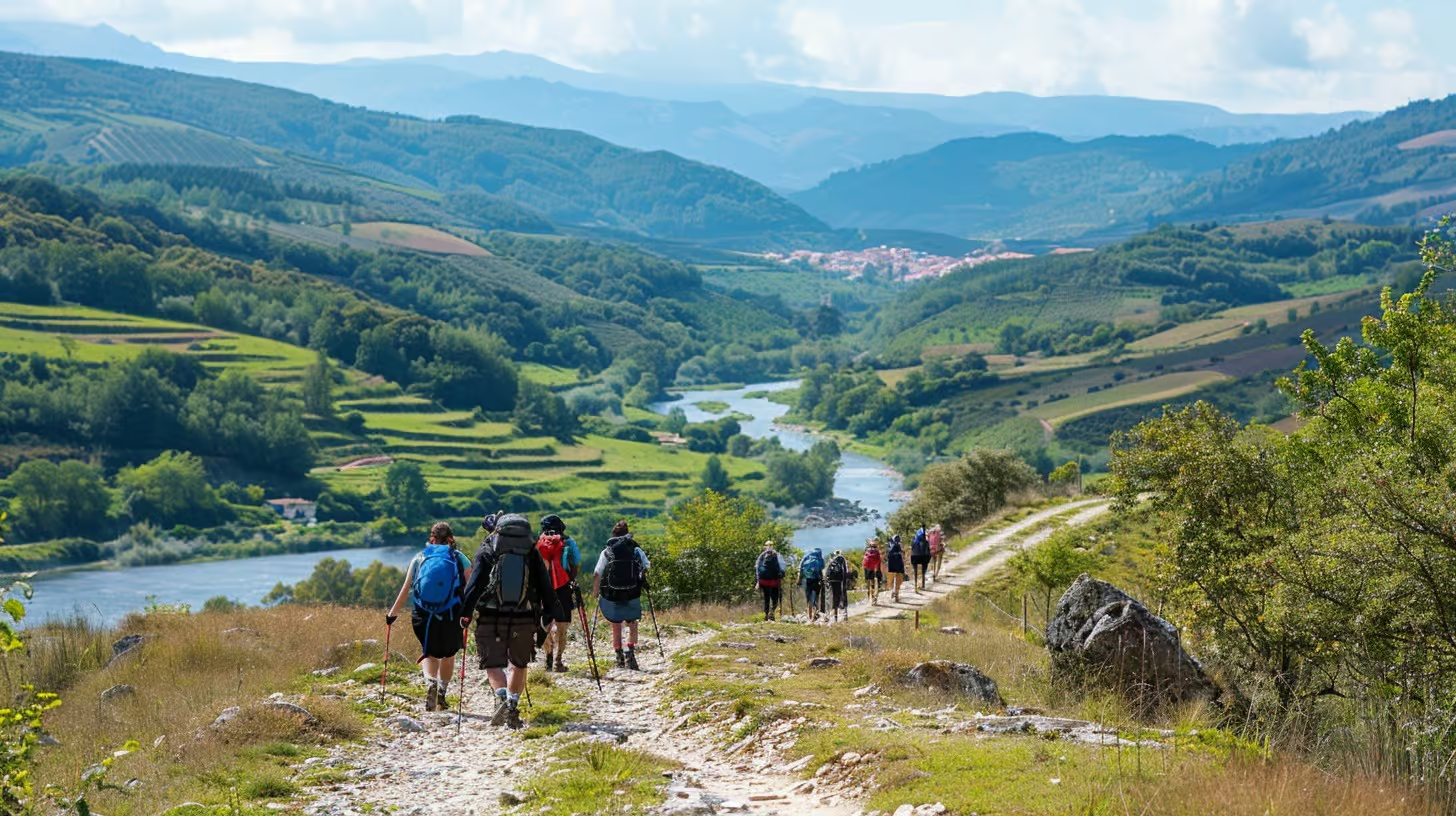
The first stage across the Pyrenees, in particular, involves a substantial change in elevation from the start. Check seasonal access restrictions, the day’s weather, and alternative routes with the information office at your starting point.
Photographs alone cannot tell you how difficult a walk will be. Allow for shorter stages or rest on demanding days.[9]
If something feels wrong, stop and assess how you feel rather than pushing on to meet a distance goal. Seek local medical help for persistent pain or severe symptoms. Keep your passport and payment methods close to you, and save emergency contacts and your insurer’s assistance details before departure.
A Pilgrim’s Passport and a Record of Arrival
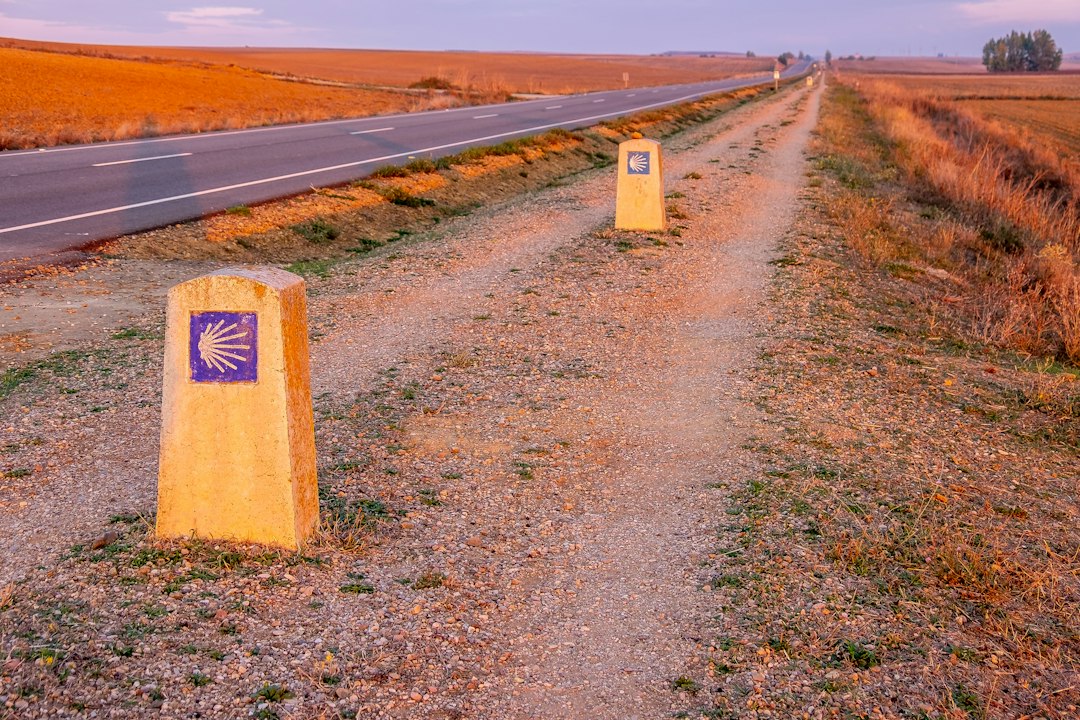
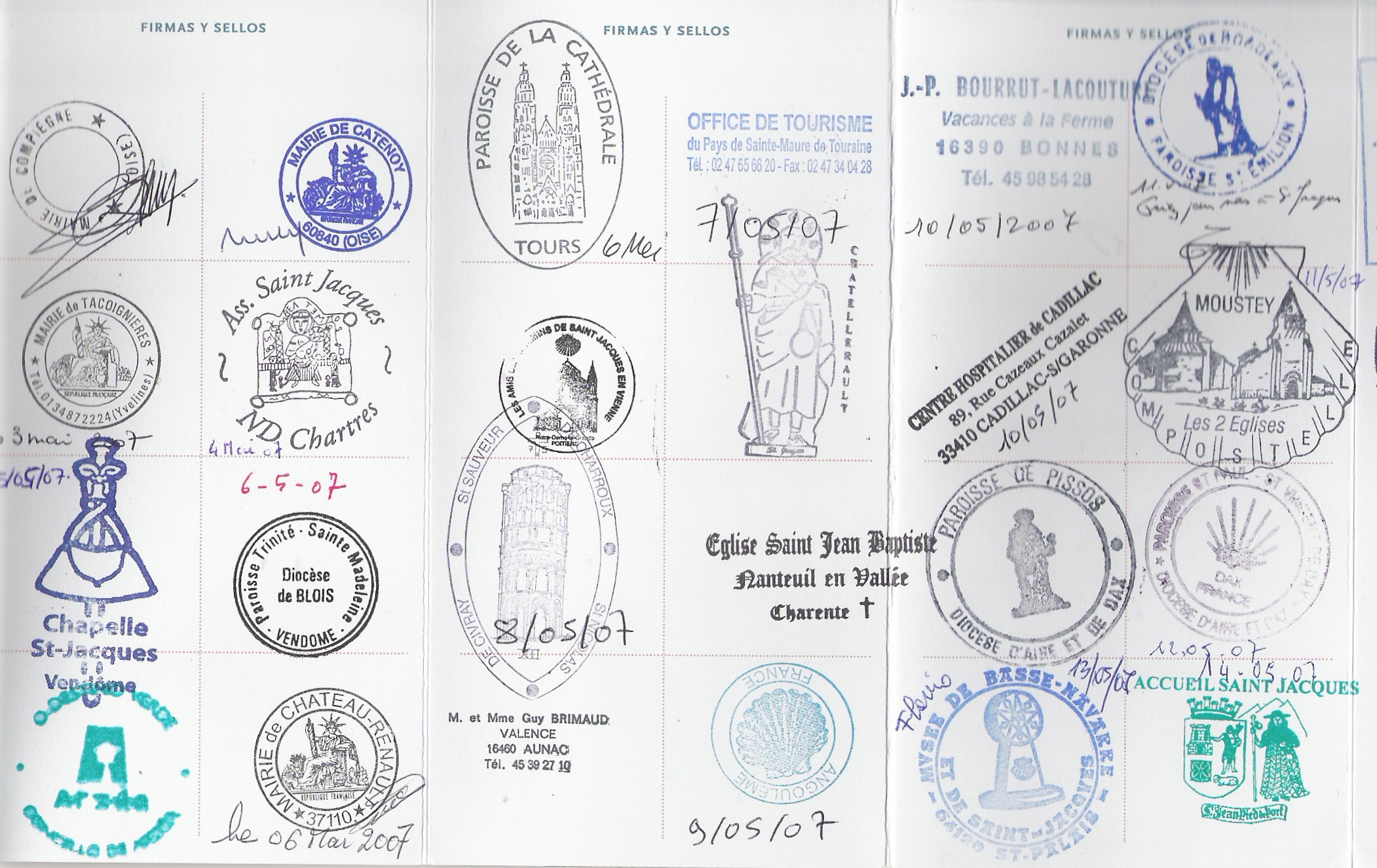
The credencial is a pilgrim’s passport in which you collect stamps along the way. Stamps from accommodations, churches, restaurants, and other stops record the places you have passed through.
It is needed for some pilgrim accommodations and for applying for a certificate on arrival, so check where to obtain it and how to record your journey.
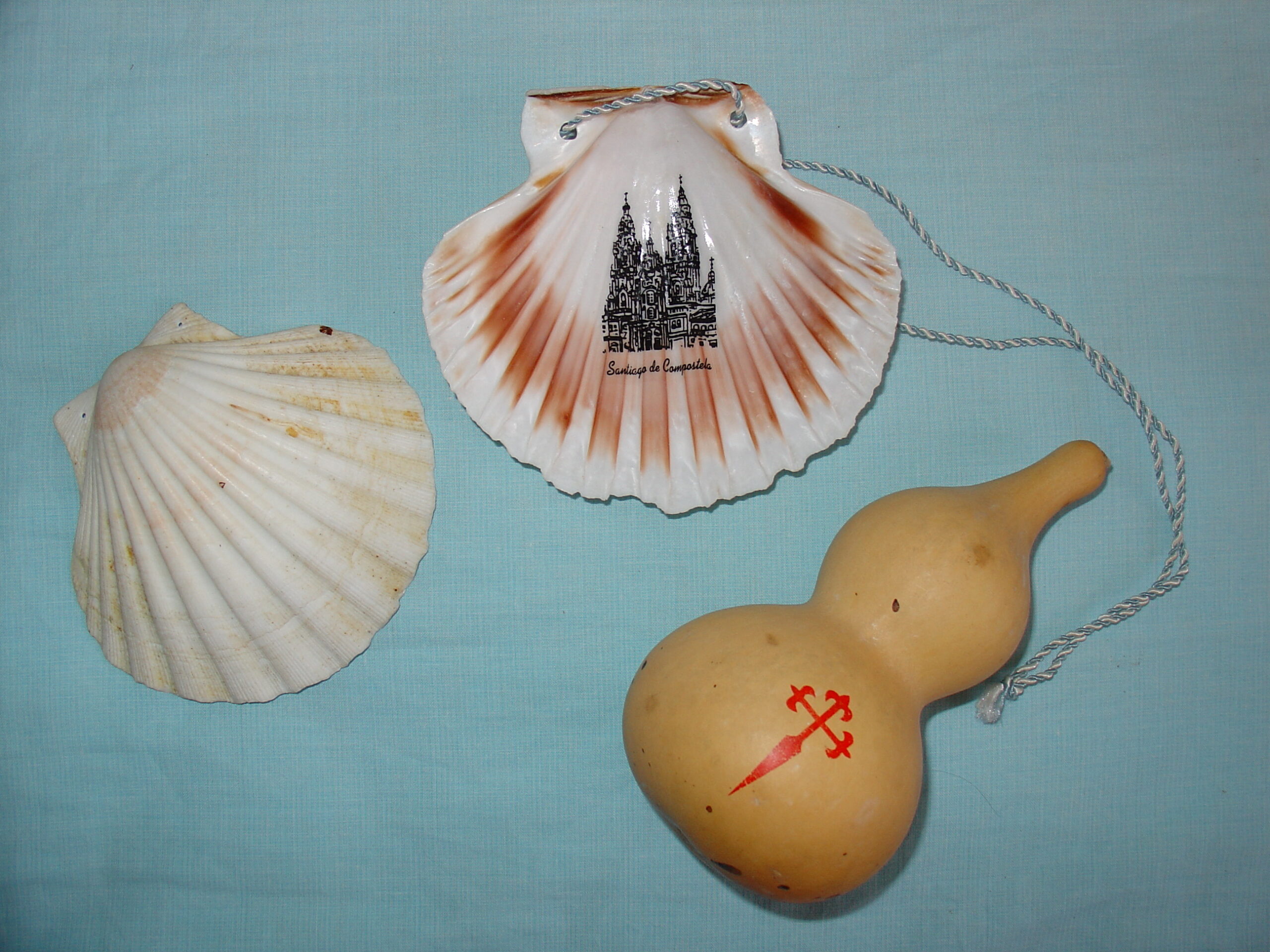
The Compostela, the cathedral’s pilgrimage certificate, is not a souvenir automatically awarded simply for walking. The official Pilgrim’s Office explains the religious or spiritual purpose, recognized routes, distances, and stamp requirements.
For walkers, the basic requirement is a continuous journey of at least 100 km on a recognized route, including the final approach into Santiago; there are additional details and exceptions for journeys beginning abroad. If you want the certificate, read the latest official guidance before setting out.[10]
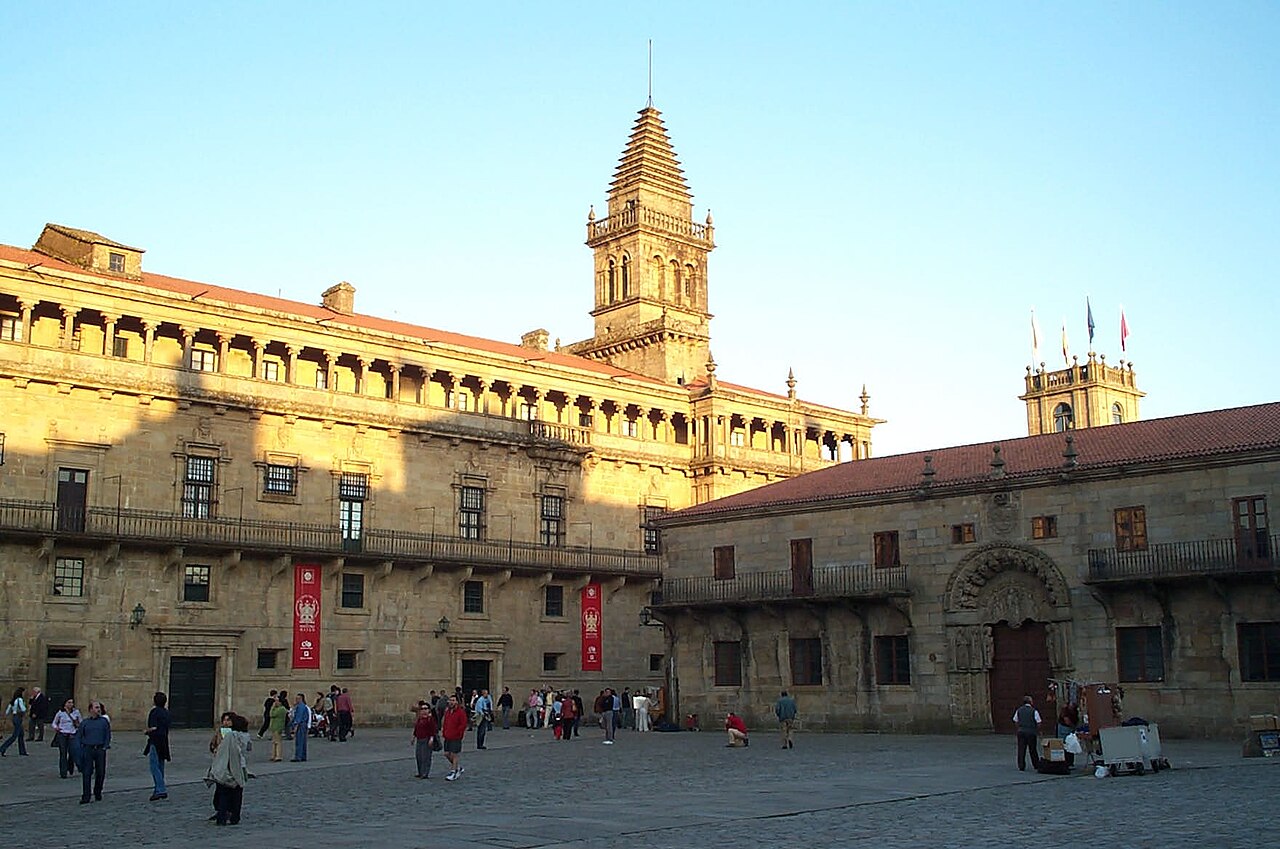
Arrival need not be just a full stop. Leave time to sit in front of the cathedral, explore the old streets, and notice how your body feels with the backpack finally off. Whether you have walked a long route or a few days of it, that time becomes your own.
If I Walk This Path Someday
Experiencing the Camino means approaching that long journey with a willingness to adapt fully to whatever changes in weather and surroundings I encounter. It means thinking ahead about how to spend each day along the way, then putting those plans into practice.
Would I want to walk alone, or share dinner with someone? Stay an extra day in an old village? How would I walk the next stretch of the path?
It is all right not to have a departure date yet. As I look at the paths and villages, accommodations and people, a once-distant dream gradually begins to take the shape of everyday life.
What frame of mind would I bring
to walking this path...
Explore the Camino Further
- Spain’s official tourism website · Introduction to the Camino de Santiago · The French Way and its main towns
- Gronze · French Way stage maps and distances. The walking schedules in this article are planning examples based on distance and daily pace.
- SNCF TER Nouvelle-Aquitaine · Regional trains between Bayonne and Saint-Jean-Pied-de-Port
- Sarria Tourism · Getting to the starting point
- Galicia’s official guide · Preparing to walk and life on the Camino
- Galicia’s official guide · Public albergue fees and rules · Accommodation guide PDF
- Camino Organizado · A reference for comparing budget ranges. These are reference ranges, rather than verified averages; the article uses planning budgets with some flexibility.
- European Central Bank · EUR/USD reference rate · October 1, 2026: €1 = US$1.1298; planning calculations use the rounded rate of €1 ≈ US$1.13.
- Gronze · The first stage across the Pyrenees
- Official Pilgrim’s Office · Requirements for the Compostela
Sources checked: September 30, 2026. Photographs show places at the time they were taken and do not guarantee current opening status, prices, or facilities. Original sources and usage permissions appear below each photograph. Image sizes may be adjusted for display and during upload. The map is an illustration created for GypsyAnn, rather than a navigation tool.